Campground demand is a function of the roughly 8.1 million RV-owning households and how hard they use their rigs, not of factory shipments, so the demand is real; what is unforgiving is the cost, leverage and financing math downstream of it.
An SBA 7(a) RV park acquisition that fails on trailing cash flow can still be the right loan, provided the feasibility study proves the repositioned, tenure-shifted cash flow rather than asserting it.
For an RV park, a hotel, a glamping resort or a short-term rental, an annual average occupancy figure cannot support a financing decision, because the property services debt one month at a time and defaults at the trough.
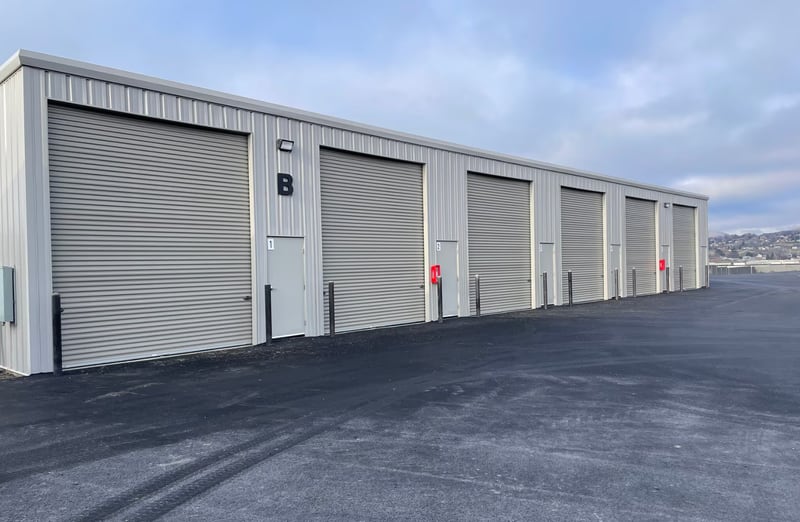
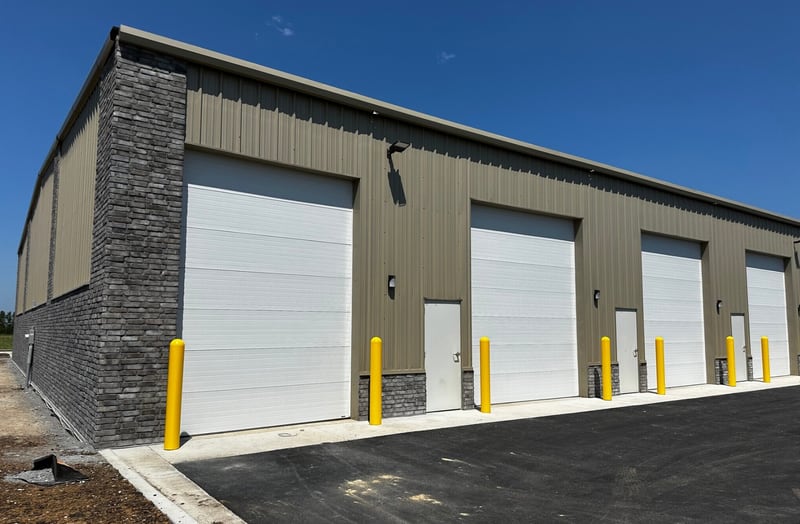
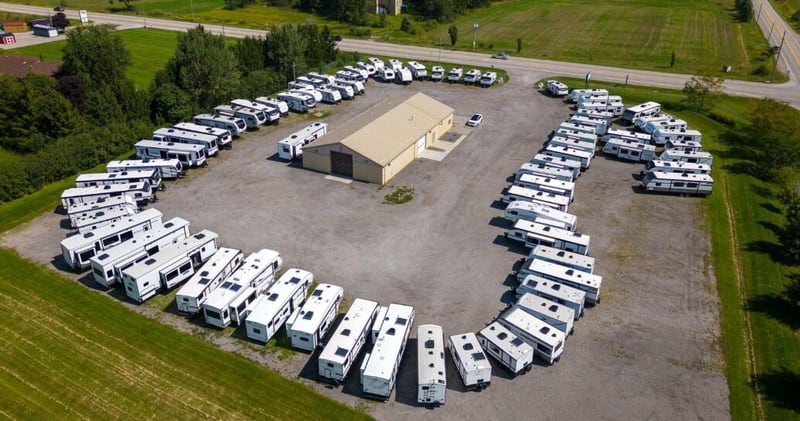
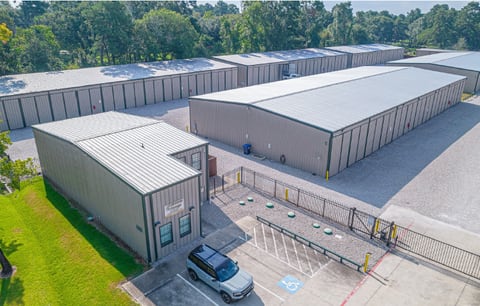
RV and boat storage revenue holds even as new-unit sales fall because it is financed against the installed fleet, and increasingly against households legally barred from parking at home, so feasibility turns on local supply, entitlement and operator discipline rather than shipment headlines.
Dedicated RV and boat storage is one of the most structurally undersupplied niches in US commercial real estate, and the base case has sector revenue compounding at about 12.5 percent a year, roughly three times the growth rate of traditional self-storage.
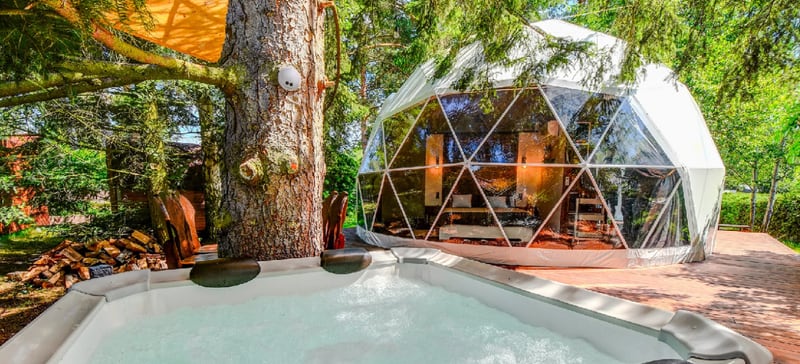
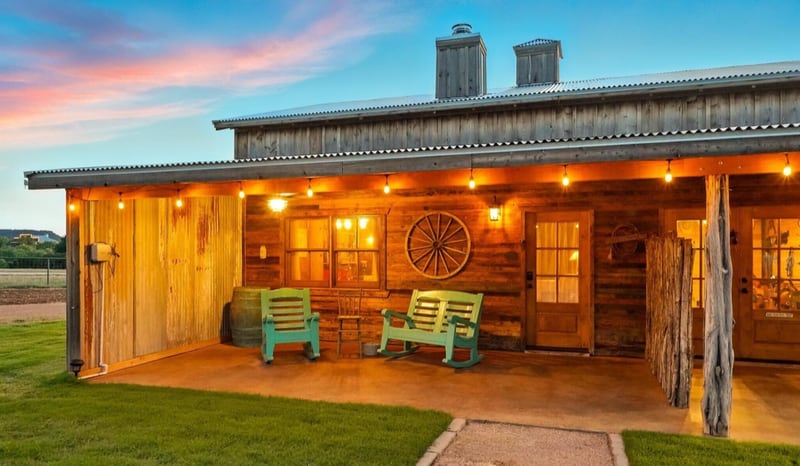
The US glamping market has crossed from cottage industry to institutional asset class, and the operators who will win are those with differentiated sites, secured zoning and disciplined capital, because tariffs, rural labor scarcity and immature underwriting will punish undifferentiated entrants.
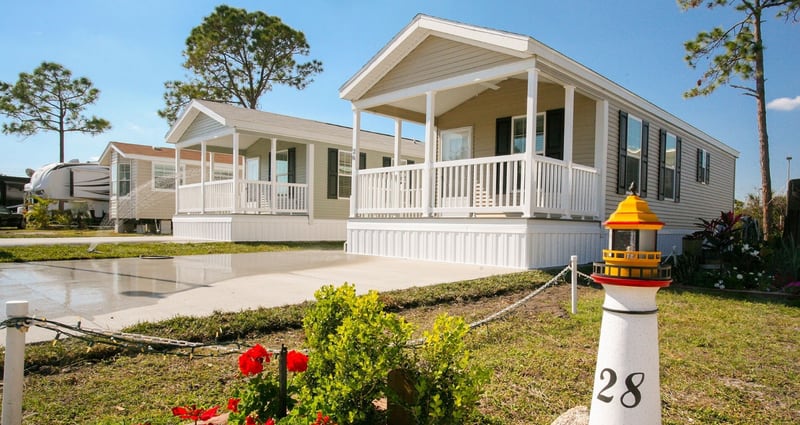
Sun Communities has remade itself into a pure-play, investment-grade owner of manufactured housing communities, RV resorts and UK holiday parks, and its post-marina balance sheet leaves it positioned to grow again.
US RV manufacturing is heading into a moderate-growth, normalization phase: industry revenue compounds at roughly 2.9% a year, from about $35 billion in 2024 to approximately $40.5 billion by 2029, well below the pandemic-era pace.
A one- or two-bedroom cabin can cost anywhere from about $50k for a DIY kit on cheap land to $250k or more for a high-end turnkey build, and four choices set the number: construction method, turnkey versus kit, region, and whether the site has utilities.
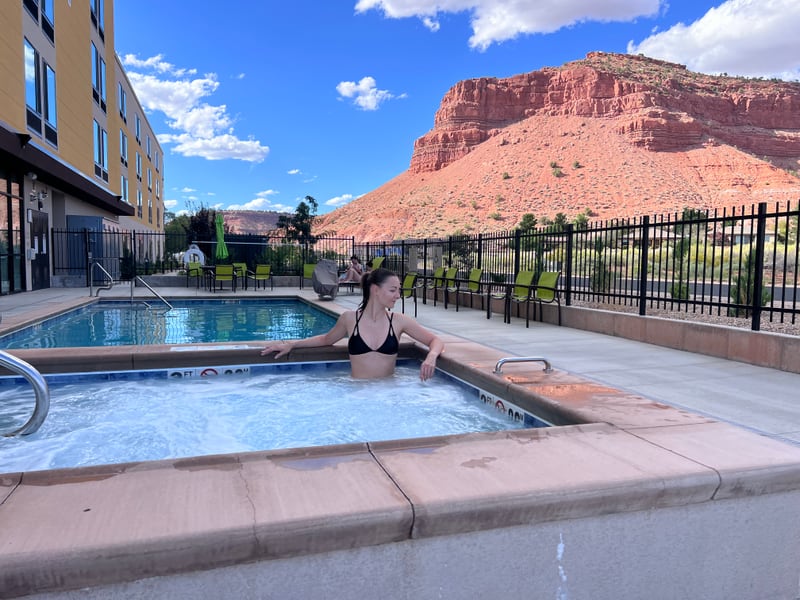
A pool at a hotel, motel or RV park pays off only when the operator treats the health code as a floor, insures for multi-million dollar claims and budgets the full running cost.
The Senate land-divestiture proposal is a policy risk that RV park, glamping and outfitter investors should price into asset values even though a Senate parliamentarian has flagged it, because access to public land underpins their demand.
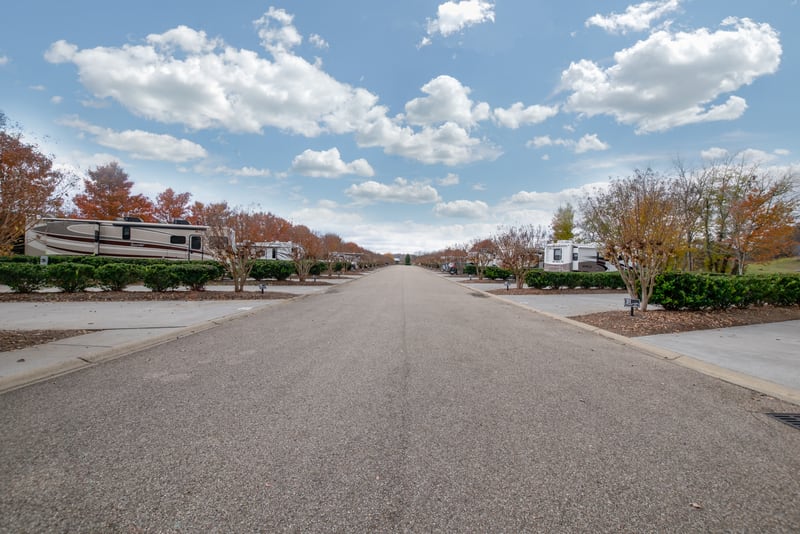
The US RV park sector through 2030 is a high-demand, limited-supply market that rewards well-located new parks, but only where site, zoning, utilities and cost survive a full feasibility test.
An RV park is financeable when the budget runs from land through FF&E with a contingency, zoning is settled before capital is committed, and the pro forma models seasonality and tenure mix rather than a flat annual average.
Carraway RV & Boat Storage shows what a low-leverage, purpose-built RV and boat storage facility can do: rent per square foot rising every year, occupancy steady at 97%, and debt service coverage far above lender thresholds.