The U.S. reformer Pilates market is at a cyclical inflection: aggregate category revenue is still rising on new unit openings, but same-store sales in mature coastal trade areas signal early saturation, so new-unit feasibility now depends on trade-area-specific screening rather than system-level averages.
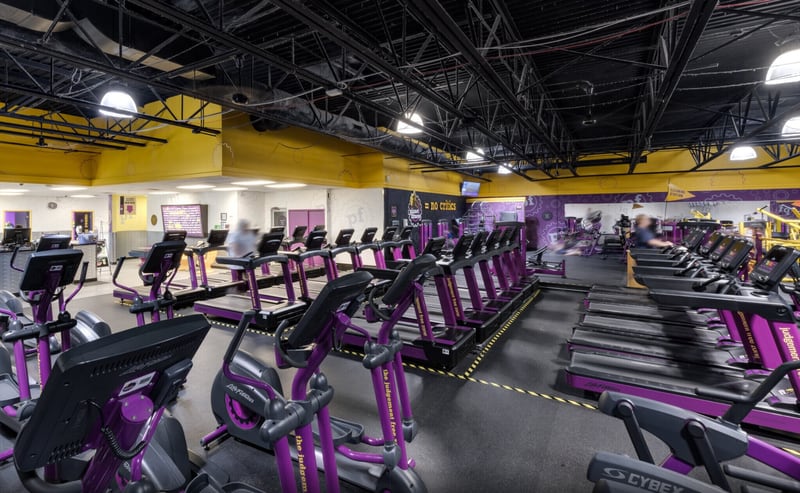
Planet Fitness's high-value, low-price franchise model has produced the strongest unit economics and market share in the U.S. gym industry, and its next test is whether a second round of price increases and a 5,000-club domestic target can be executed without cannibalization or attrition.
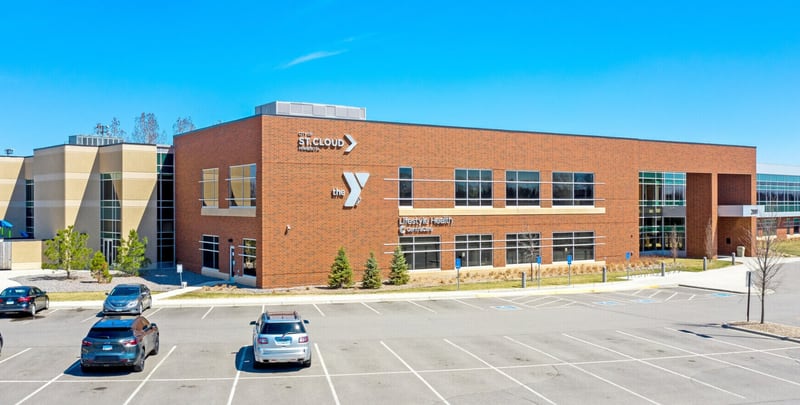
The YMCA cannot win on price against Planet Fitness or on amenities against Life Time, so its viability over the next decade rests on replacing membership-dues dependence with healthcare reimbursement, government program funding and philanthropic capital while keeping the community mission that justifies its tax exemption.
Pickleball has moved past the question of demand and into a harder phase: the growth rate is slowing, from 85% in 2022 to a projected 15% in 2025, and the next chapter depends on whether courts, operators and municipal rules can mature as fast as the player base.
U.S. yoga and Pilates studios form a $14.7 billion industry in 2024 that has matured into a fragmented, thin-margin business, with revenue projected to grow about 1.2% a year to roughly $15.6 billion by 2029.
The U.S. fitness industry has recovered past its pre-pandemic benchmarks, but members use their clubs less often and the studio segment is still rebuilding.
Demand for gym and fitness facility space is highest per capita in the Northeast and lowest in the Midwest, while the South, now home to 39% of Americans, is positioned for the strongest growth in new facilities.
The U.S. fitness and gym industry has fully recovered from the pandemic and is positioned for growth of roughly 4 to 6% a year through 2030, taking revenue from about $45.7 billion in 2025 to $55 to 60 billion or more by 2030.