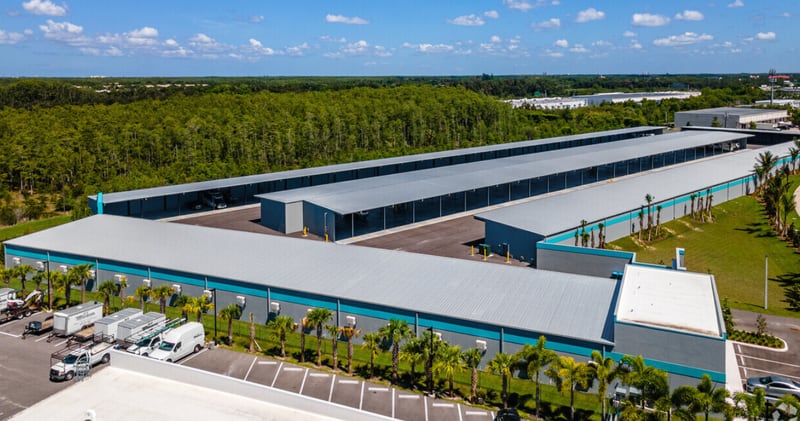
Site conditions kill SBA construction loans through four numbers the SOP does care about, total project cost, time to certificate of occupancy, debt service coverage and collateral value, because eligibility under 13 CFR 120.100 and 120.110 never mentions soil, flood, contamination or zoning.
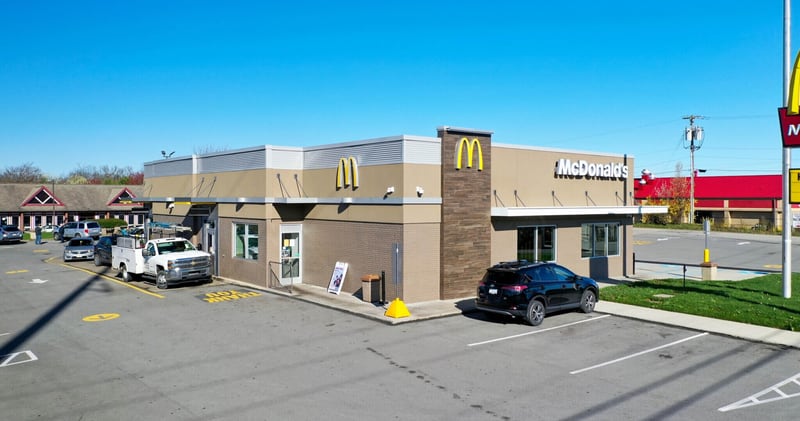
On the SBA's own loan record, buying a brand did not buy safety: the best 2026 franchise is a low-buildout, demographically backed business in a category still adding units, carried by a brand with a clean seasoned charge-off record.
Collateral does not decide whether an SBA loan is approved, it decides whether the guaranty survives, and the June 2025 edition made that far more expensive to get wrong.
No SBA authority mandates a feasibility study for any loan class, and the study is non-optional in practice only because a projection-based file has to prove what tax returns cannot.
A feasibility study is bankable only when it is engineered to the program financing the deal, because the 504 and the 7(a) ask different repayment questions.
A feasibility study earns its place on the expense side, because a revenue miss is cushioned while an expense miss lands on net operating income at one hundred cents on the dollar.
A feasibility study has to come from an independent qualified consultant, and the lender or the agency, not the borrower, decides whether that preparer is acceptable.
SBA and USDA capital reached record scale in fiscal 2025 while the rules governing its delivery tightened, so what decides a 2026 financing is the strength of the analysis behind the projection rather than the availability of the money.
Job projections in a 504 file are an audit defense rather than pro forma decoration: only direct permanent FTEs count, and they are verified at the 24-month debenture anniversary with no extension mechanism.
In the special-purpose asset classes where the customer never interacts with the staff, the labor line now decides whether a deal clears its coverage test.
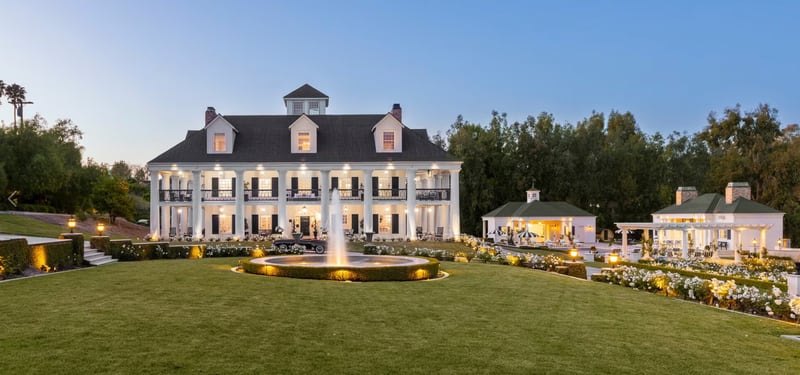
The wedding venue sector is a fragmented, operator-dependent asset class where rising spend per wedding, not rising wedding counts, carries the investment case.
SBA 7(a) and 504 applications fail the feasibility review for a short and predictable list of reasons: unproven demand, projections that only work in a perfect case, a management team whose experience does not match the business, missing equity, unresolved zoning or environmental issues, and a third-party study the lender cannot rely on.
In a lapse of appropriations, new USDA and SBA loan approvals stop, and only files that already hold an SBA loan number or a USDA conditional commitment have a path to closing.
On a 7(a) deal that carries real estate, the feasibility study is the document that decides the file, because the leverage is high and repayment rests on projections rather than history.
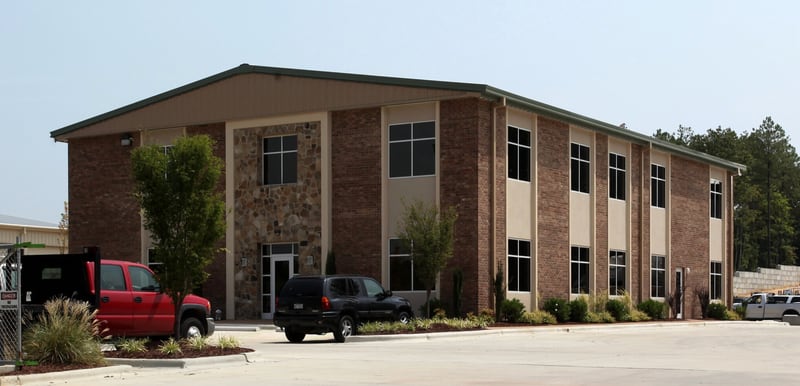
For a ground-up project the choice between the two SBA programs turns on size and use of funds: the 504 carries large fixed-asset builds at a long fixed rate, and the 7(a) carries smaller projects that also need equipment, soft costs and working capital.
SBA 7(a) and 504 loans finance owner-occupied commercial real estate on terms a conventional lender rarely matches, and the choice between them follows the structure of the project rather than preference.