The composite 120-key hotel is financeable, but only on normalized income and a 504-heavy structure: it closes with 22 percent equity, 1.25x stabilized coverage sized to the debt yield floor, and an all-in basis at 45 percent of replacement cost.
MMCG expects hotel RevPAR to grow roughly 2% to 3% in 2026 after the full-year decline of 2025, with rate rather than occupancy doing the work and the recovery led by the high end and by supply-constrained markets.
The U.S. hotel market has split into a K-shaped structure by chain scale, and the clearest opportunities sit at the extremes: luxury assets with pricing power and economy extended-stay properties bought below replacement cost.
The closure of Gulf airspace after February 28, 2026 has permanently redrawn Europe-Asia hotel demand, and the article concludes that direct-connectivity markets deserve a lasting upward revision in feasibility value while Gulf transit markets face structural damage.
Vail Resorts' current downturn is triggered by a historic snow drought, but the pressures it exposed are structural: climate variability, an aging skier base, rival multi-resort passes and rising labor costs will persist after the snow returns.
The sector has recovered past its pre-pandemic scale and MMCG expects it to keep growing at about 3.1% a year to roughly $1.9 trillion in revenue by 2029.
Saudi Arabia's hotel market is expanding fast, but its supply wave will hold occupancy near the 60% mark through the decade, so underwriting must assume longer ramps and capped rate growth.
Amsterdam's cap of 20 million annual tourist overnight stays and its ban on net new hotel rooms have turned the city into a high-occupancy, rate-driven market where hotel returns now depend on ADR growth rather than occupancy gains, and where incumbents hold a structural advantage over any new entrant.
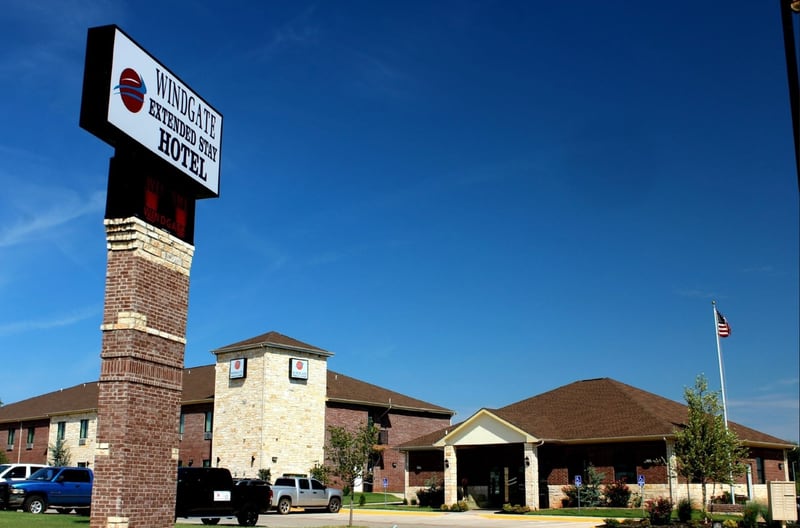
Extended stay hotels should remain a stable, high-margin lodging segment through 2030, but the pipeline of new rooms and new brands makes localized oversupply and rate pressure the main underwriting risks.
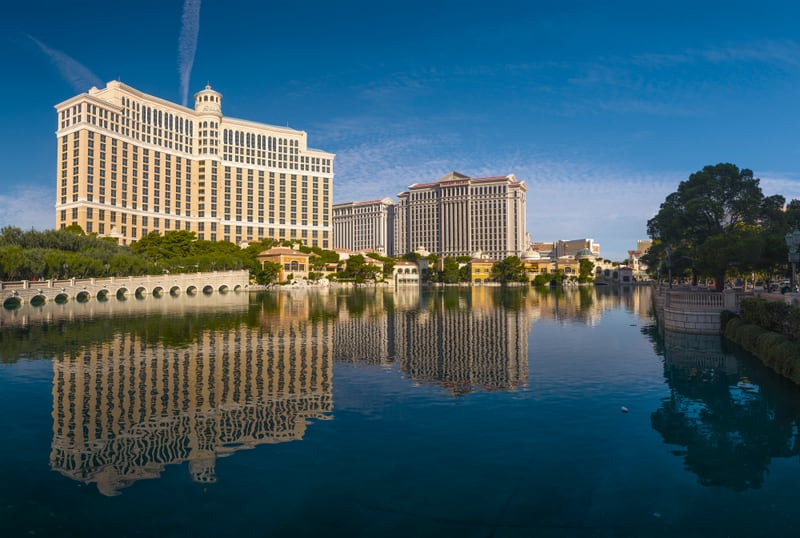
Bellagio Las Vegas generates roughly $700 million in annual net operating income at a 40.2% NOI margin in 2024, about double the 20.8% EBITDA margin of Strip full-service hotels, and its October 2023 recapitalization valued the property at $5.1 billion, or about $1.3 million per key.
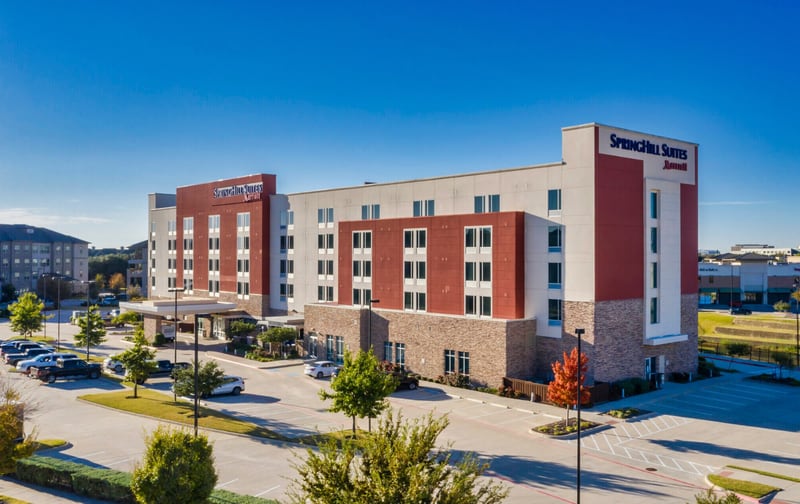
SpringHill Suites is a mid-sized but well-placed brand: roughly 500 hotels, about 1% of U.S. hotel rooms, in the Upscale and Upper Midscale segment that holds about 2.45 million rooms and tracks the industry average at 66.9% occupancy and a $99.68 RevPAR.
Hotel cap rates in the United States sit at their highest levels in nearly a decade in 2025, and the article concludes they will stay elevated until debt costs fall, with only modest compression of perhaps 20 to 50 bps by the end of the decade.
The Waianae Coast is one of the strongest short-term rental submarkets in the United States, and the article concludes it rewards investors who buy larger entire-home properties and operate within Honolulu's 30-day minimum-stay rule.
A 2 to 4 person hot tub run year-round in a short-term rental costs roughly $1,000 to $2,000 per year in combined electricity, water care, maintenance, labor and insurance, and the Northeast is the most expensive region while the Southeast is the least expensive.
Cutting short-term rental supply in Madrid and Barcelona will push demand into hotels that are already near capacity, and the result is pricing power: higher ADR and RevPAR for licensed operators.
American hotels are heading for a softer summer in 2025 than in 2024, and the article concludes the weakness will persist into the fall as business travel stays subdued, international arrivals lag and alternative lodging takes a growing share.
MMCG's ranking puts New York City, Miami and Los Angeles at the top of the ten United States markets best positioned for new hotel development in 2025 to 2027, with Tampa Bay, Chicago, Houston, Charlotte, Boston, Orlando and San Diego completing the list.
The UAE hotel market has fully recovered, and the article concludes it will move from recovery to a slower expansion through 2029, with occupancy easing from about 80% in 2025 toward about 75% by 2029 as new supply opens and RevPAR climbing into the mid-$150s.
Seattle's hotel pipeline is sized to be absorbed: roughly 4,500 rooms are in some stage of development, about 8 to 9% of current inventory, but only about 750 rooms across five projects are under construction, a 1.5% increase in supply.
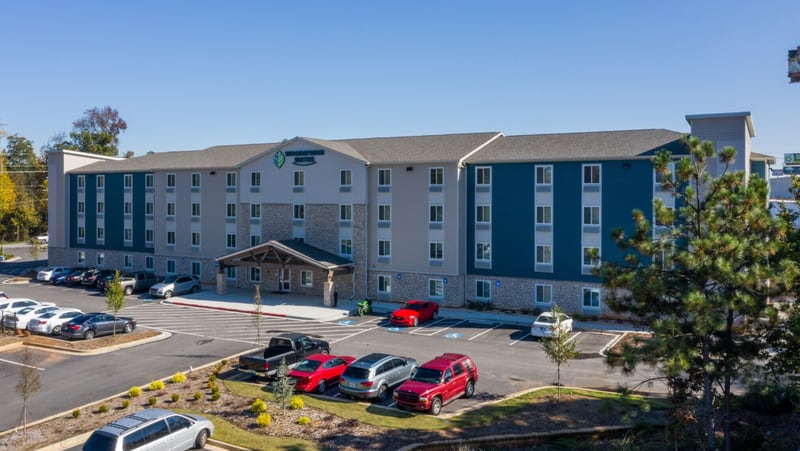
The WoodSpring Suites Atlanta McDonough, a 123-room economy extended-stay hotel opened in 2020, is a financially feasible hold in the base case: 2024 NOI of $1,208,758 on revenue of $2,625,991, a 46% NOI margin, and debt service coverage of 2.31x on NOI.
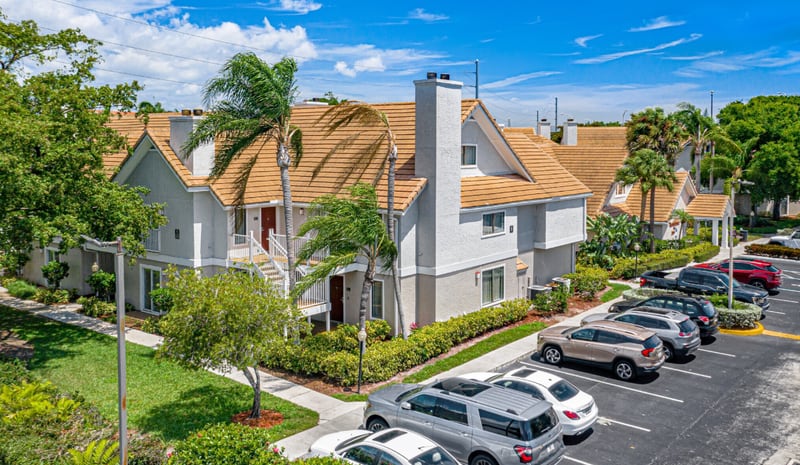
The study concludes that the Residence Inn Boca Raton, under contract at $14.25 million ($118,750 per room, a 9.16% cap rate on stabilized cash flow), is a value-add acquisition whose feasibility depends on lifting NOI from the 2023 level of $827K back toward the $1.3M or more the 120-room hotel produced in 2022.
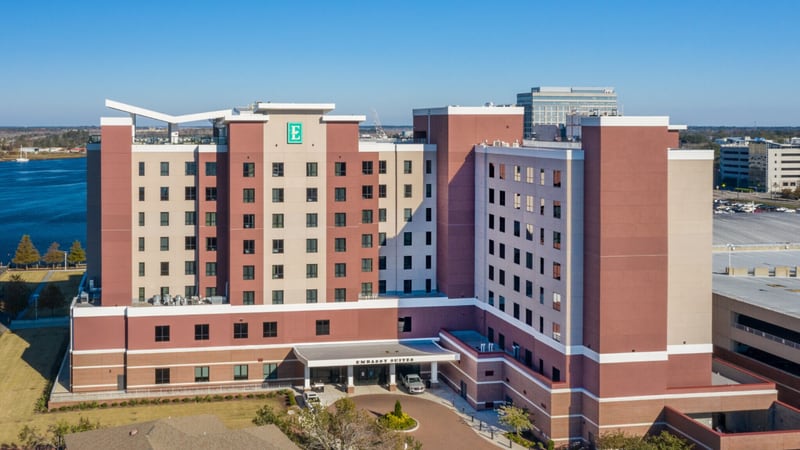
The Embassy Suites by Hilton Wilmington Riverfront leads its Upper Upscale submarket on occupancy and RevPAR and covers its fixed-rate debt with a wide margin, but 2023 cost growth cut NOI by 34% from the 2022 peak.
The hotel market entered 2025 in slow growth, and the article concludes that RevPAR will rise only about 1.8% for the year, with upper-end hotels leading and economy hotels struggling to raise rates in real terms.