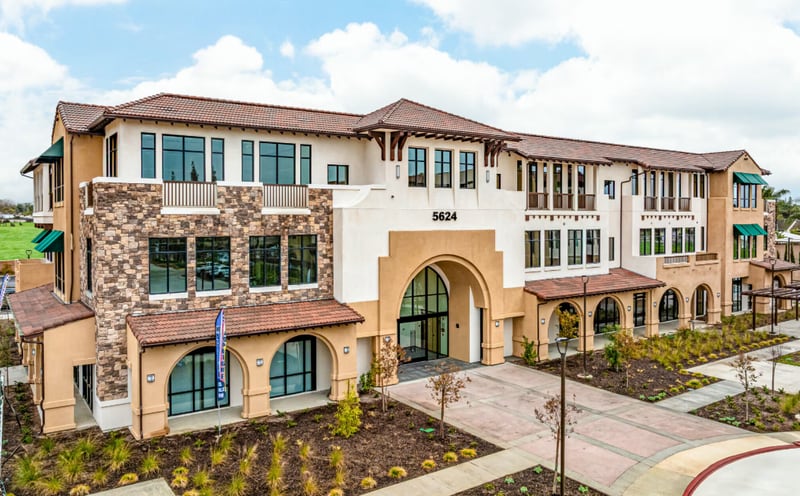
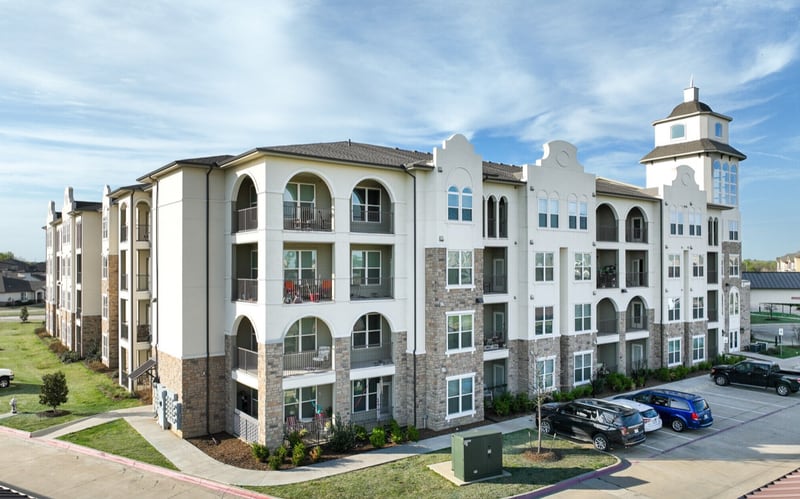
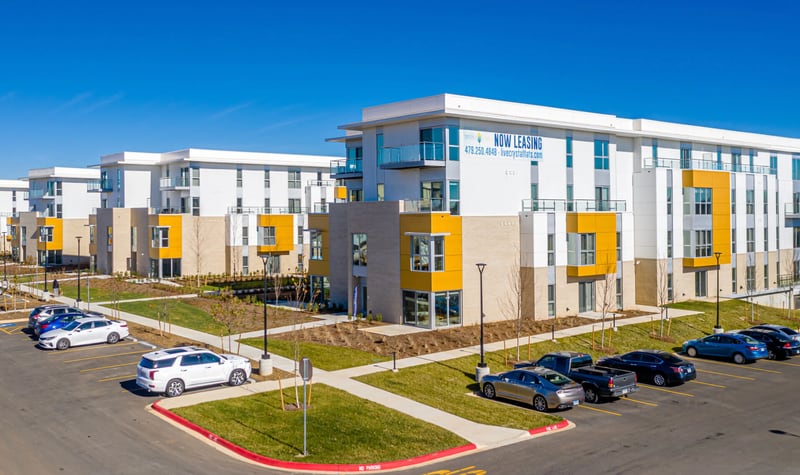
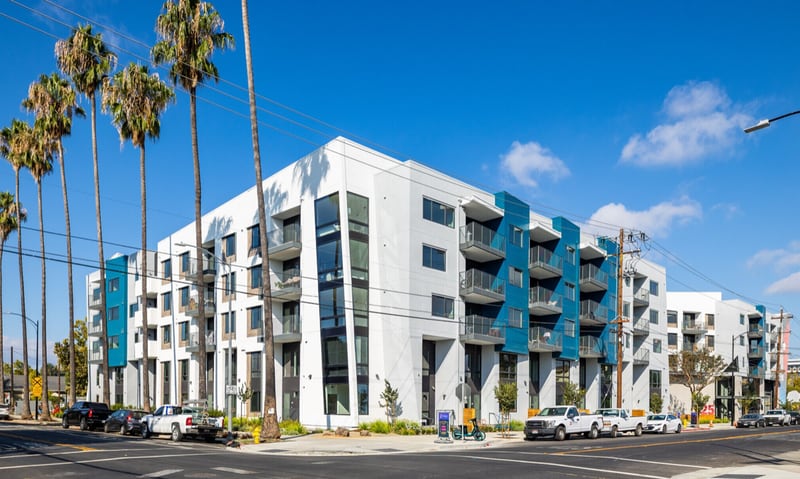
The operating-business risk that keeps generalist lenders out of assisted living and memory care is measurable, and the article concludes that a lender with a rigorous feasibility file can collect the sector's 100-to-400-basis-point yield premium over multifamily.
A well-selected Class B apartment acquisition clears conventional credit over a 10-year hold, because the supply wave has already crested rather than because it never happened.
A multifamily feasibility study cannot be built as one deliverable and sized to whichever lender is in front of the sponsor; the four federal capital programs apply four different eligibility tests, and the eligibility cut has to come before any market or pro forma analysis.
U.S. senior housing enters 2026 with the strongest fundamentals of the post-2015 cycle, and the MMCG base case has occupancy crossing 90% in late 2026, stabilizing near 93% by 2028, and average cap rates compressing to roughly 5.7% by mid-2027.
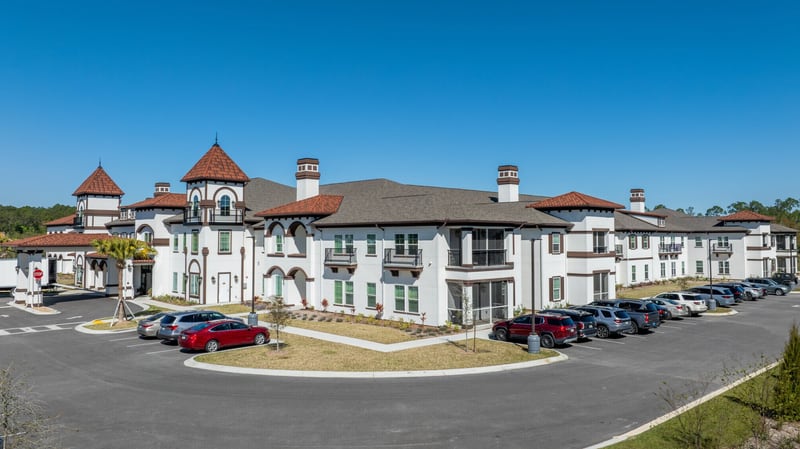
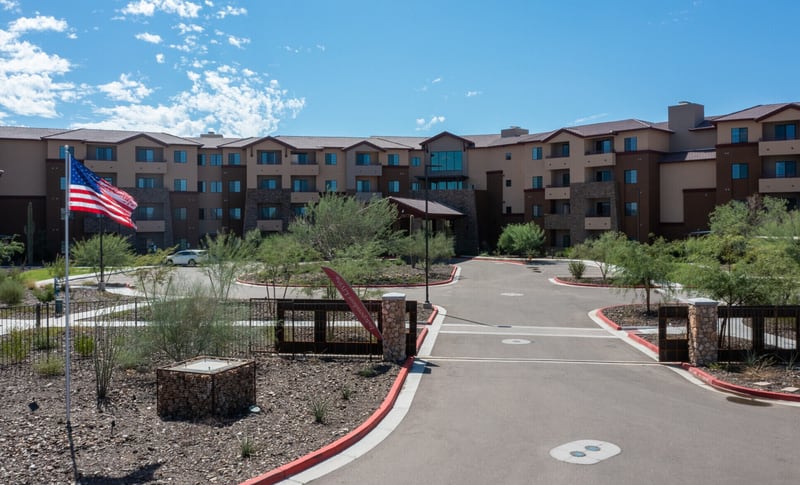
Memory care is the strongest risk-adjusted opportunity in commercial real estate, provided the operator can manage labor, liability and Medicaid exposure.
National multifamily vacancy has likely peaked: the MMCG database forecasts it holding near 8.5% through 2026 and easing to 7.5% by 2030 as annual deliveries fall from a 40-year high above 690,000 units in Q4 2024 to roughly 333,000 units in 2026.
The Senate's institutional-investor ban is both too much and not enough: its seven-year forced-sale rule threatens build-to-rent construction, while the ban itself would free up less than 1 percent of the national housing stock.
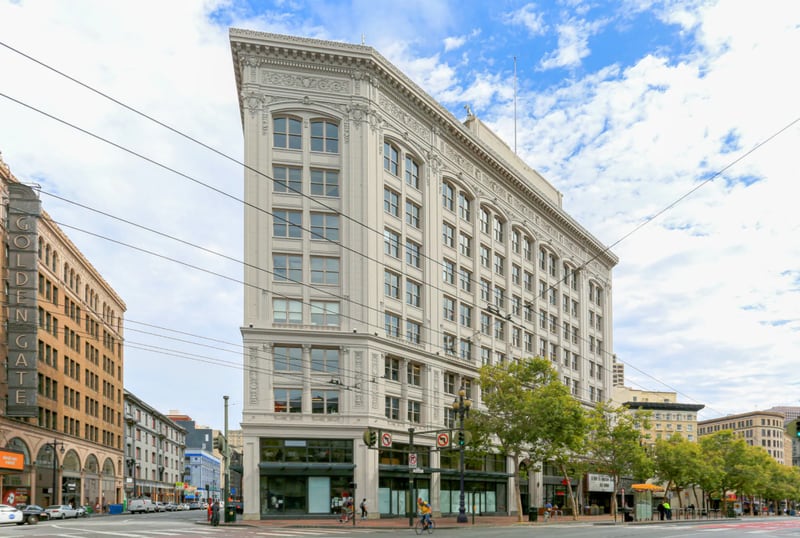
San Francisco's Downtown Revitalization Financing District, signed into law in February 2026, rebates part of a conversion project's cost through incentive payments for up to 30 years backed by future property taxes, and it is the first city measure aimed squarely at why office-to-residential conversions have not penciled since the 418-apartment project at 100 Van Ness Avenue in 2015.
Demand for elder care is rising faster than the system that pays for it, and the binding constraints are labor and reimbursement rather than demography.
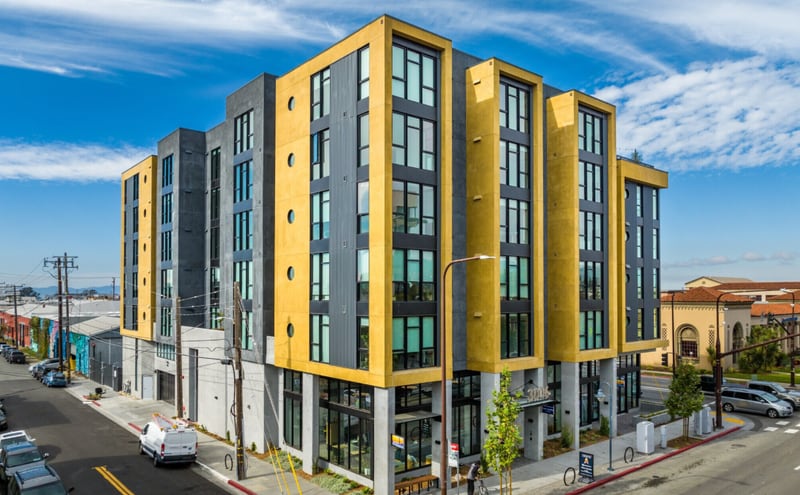
A 12,000 square foot multifamily-and-retail project in Atlanta, GA carries a total development cost of $2,515,956, or $209.66 per square foot, which places it at the lower end of the $200 to $300 per square foot range typical of U.S. mixed-use construction.
Florida's Live Local Act makes multifamily projects feasible on commercial and industrial sites that local zoning previously ruled out, provided the developer commits at least 40% of units to households at or below 120% of AMI for 30 years.
Student and senior housing programs create value only when each amenity or service raises rent or occupancy by more than it adds to cost; over-programming inflates fixed expenses and under-programming slows lease-up, and both show up directly in stabilized value.
Lenders should size multifamily loans to in-place effective rents and current occupancy, then phase in loss-to-lease recapture and concession burn-off over 2 to 3 turnover cycles rather than crediting a stabilized pro forma on day one.
A feasibility study is the lowest-cost risk control in senior housing development: it typically costs less than 1% of the total project budget and gives lenders, developers and investors one tested set of demand, pricing and return assumptions.
U.S. apartment and condominium construction in 2025 is a steady but unspectacular year: industry revenue is estimated at $83 to $84 billion, up roughly 1.5% to 2.2% from 2024, while average profit margins sit slightly below 5%.
Canada's multi-family market is moving from an acute shortage to a rebalancing: vacancy has risen, rent growth has stalled, and the supply wave now completing should push vacancy to a peak in 2025 to 2026 before the market tightens again later in the decade.
Omaha's job growth is absorbing new apartment supply at roughly the rate it is delivered, leaving the multi-family market in equilibrium despite national softness.
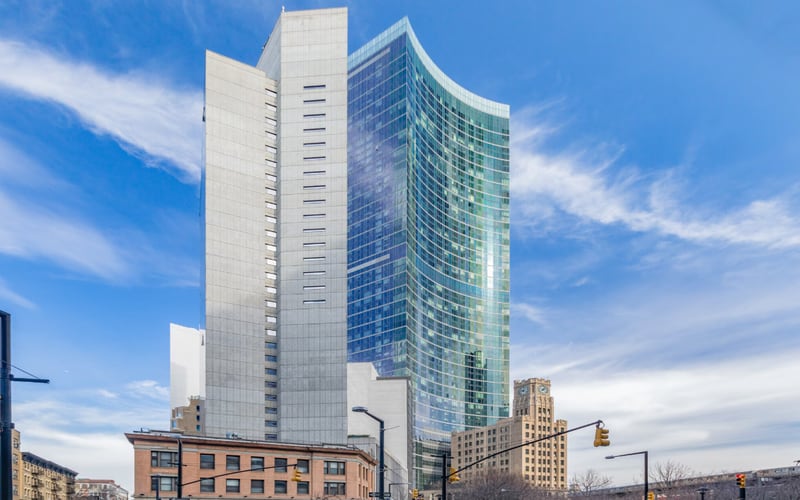
The analysis concludes that Sven, the 70-story, 958-unit tower completed in 2022 at 2959 Northern Blvd, was acquired at a slight but justifiable pricing premium: its early 2024 appraisal of $708.2 M implies roughly $740K per unit and a cap rate of about 4.3% on 2024 NOI, against a Long Island City market range of 4.5% to 5.0% and a modelled market price near $658K per unit.
Student housing near the University of the Pacific is the stronger investment case in Stockton: enrollment is rising, no new beds have been delivered, and assets trade at less than half the per-unit price of conventional apartments, while the broader multi-family market offers stable but slower-growing returns.
3Eleven leased up faster than the Manhattan luxury market and now carries an implied value of about $930 million, but its interest-only debt and ground lease leave true cash-flow coverage thin.
New York's multifamily market in mid-2025 is a landlord's market: vacancy is at or near historic lows, rents are at record highs, and new supply is too limited to change that through the rest of 2025.
The U.S. multifamily market is moving from a supply-driven downturn to a demand-driven recovery, and fundamentals should strengthen through 2025 and 2026 as new deliveries contract while renter demand holds.
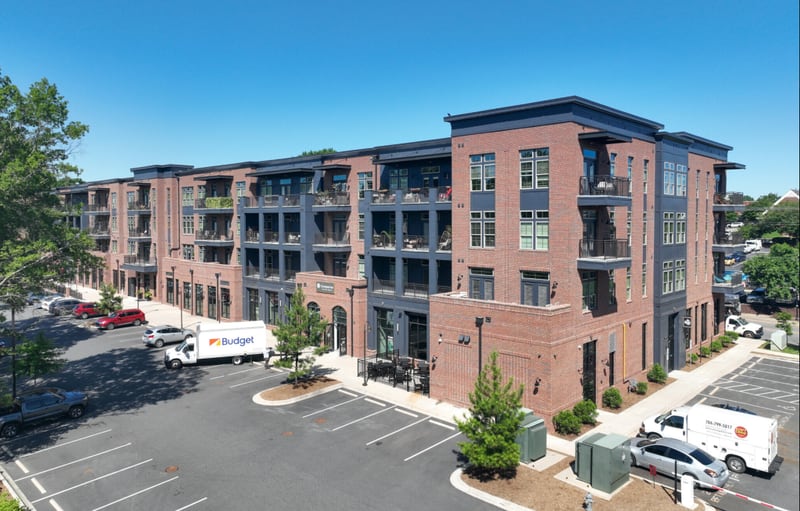
Charlotte's apartment market has softened under a construction-driven supply wave, and the body concludes that vacancy will stay above the national average through 2025 before fundamentals re-tighten in late 2025 and 2026.
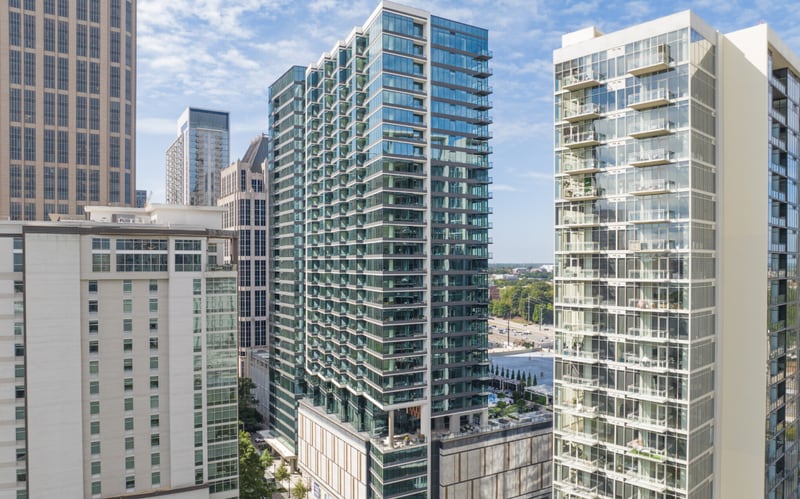
Atlanta's multifamily market is absorbing a record wave of new supply that has pushed vacancy to 12.5% and asking rents down 1.2% year over year, but the article concludes the metro should regain firmer footing by mid-2025 as deliveries recede.
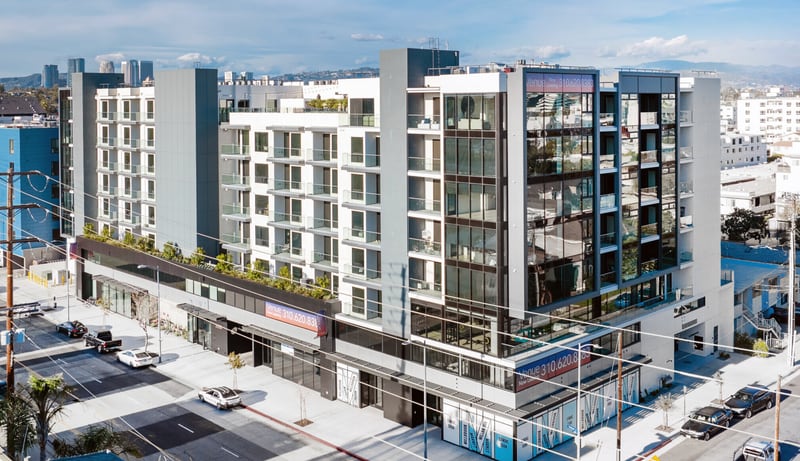
The Los Angeles multifamily market is stable with modest rent growth, and the mid-tier and affordable segments are positioned for steadier performance than luxury inventory, which carries the highest vacancy.
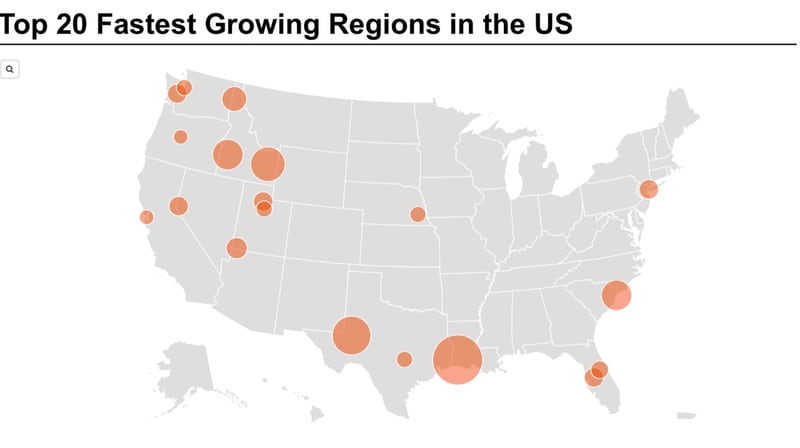
Idaho's multi-year run of in-migration, paired with slowing apartment construction, points to rising rents and lower vacancy rates across Pacific Northwest housing markets.