Every self-storage SBA 7(a) written in 2026 is in substance a projection loan, and the feasibility study, not the appraisal, must show step by step how coverage is earned from a book that does not cover at closing.
Micron's Clay megafab will generate real demand for housing, lodging, retail and supplier space across Central New York, but that demand arrives on the schedule of the build, not the announcement, so every Micron-area project should be underwritten to operational hiring rather than to the headline.
The U.S. self-storage market bottoms in 2025 to 2026, stabilizes through 2027 and enters improving fundamentals from 2028 onward, because supply is falling to cyclical lows while housing mobility and demographics gradually recover.
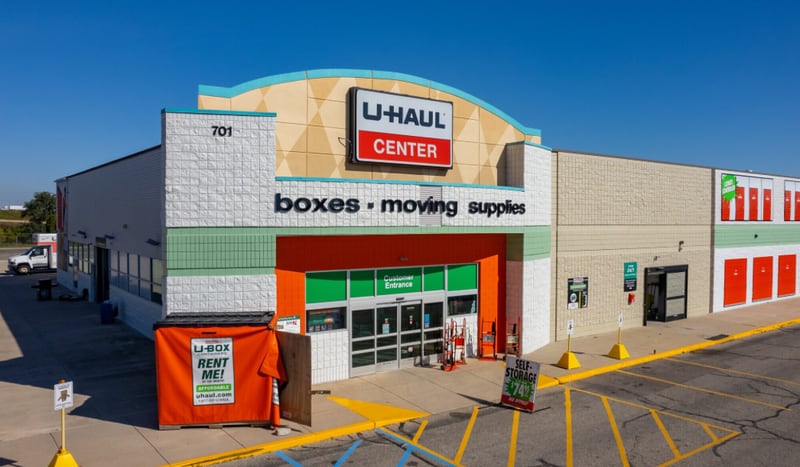
U-Haul has turned a one-way truck and trailer rental network into the third-largest self-storage operator in North America and one of the most active commercial property buyers in the country, and its near-term earnings squeeze is a fleet-depreciation cycle rather than a weakening of that position.
U.S. ports are in a multi-decade realignment that tariff volatility has accelerated rather than caused, and the winners are the East and Gulf Coast gateways with deep channels and on-dock rail, plus the inland hubs they feed.
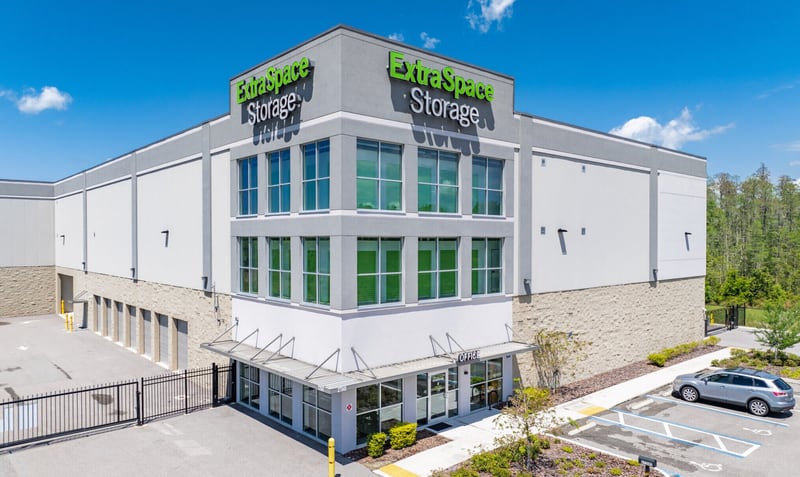
CubeSmart and Extra Space Storage are two workable routes to the same self-storage opportunity, and the choice between them comes down to income and urban density with CubeSmart or growth and platform scale with Extra Space.
Caterpillar remains the heavyweight of heavy equipment, with record sales and mid-teens margins, but its next decade turns on electrification, trade policy and skilled labor rather than on scale alone.
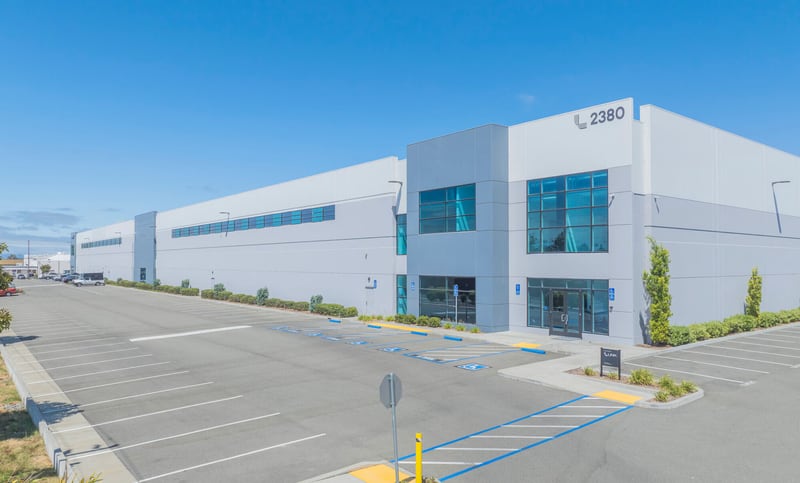
Link Logistics shows that scale and diversification, not steady occupancy, are what make a private logistics platform bankable: it runs higher vacancy than Prologis but spreads risk across thousands of properties and over 1,300 tenants while actively recycling capital.
Public Storage's asset strategy holds up from all three vantage points: high-margin operations for REIT investors, a value-add template for private developers, and resilient collateral for lenders.
16 minute read
Show the remaining 9 studies in Industrial/Warehouse
Self-storage demand is decided within a 3 to 5 mile radius of the site and moves with the calendar, so a project's feasibility rests on the immediate trade area and on cash flow sized to the winter occupancy low rather than the summer peak.
The U.S. industrial market in Q3 2025 is normalizing rather than breaking: vacancy is back at its long-run average, rents have stopped rising, and underwriting should assume minimal rent growth, longer lease-up and higher exit cap rates.
Cap rates for industrial and logistics assets no longer move together: throughput, rent coverage and location friction now separate bulk, mid-box and last-mile warehouses, and lenders should underwrite each segment on its own vacancy, lease-up and exit assumptions.
U.S. manufacturing is heading for roughly flat overall growth through 2030, with advanced electronics and automotive expanding well above the average and food processing holding steady.
In all five leading markets the post-boom supply wave has crested: vacancy is peaking in 2025, construction pipelines have shrunk, and tightening is expected by 2026 to 2027.
The U.S. industrial market is in a cyclical cooldown, not a structural decline: vacancy should peak just under 8% in late 2025 as construction starts fall to 10-year lows, and e-commerce keeps last-mile and small-bay space tight.
615 Aviation Rd is a feasible, lender-friendly industrial asset: a long FedEx lease, low leverage and a cap rate well inside the Berks market support both its valuation and its debt.
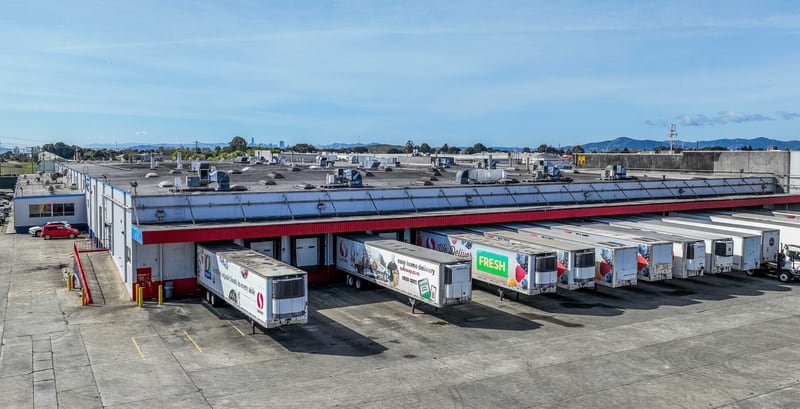
U.S. refrigerated storage is a small, supply-constrained niche with a positive outlook: revenue growth is modest, occupancy is close to full, and pricing has converged with mainstream industrial.