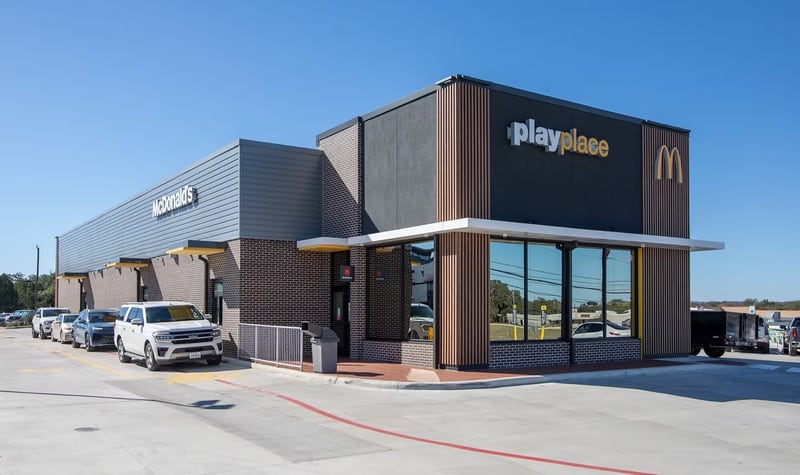
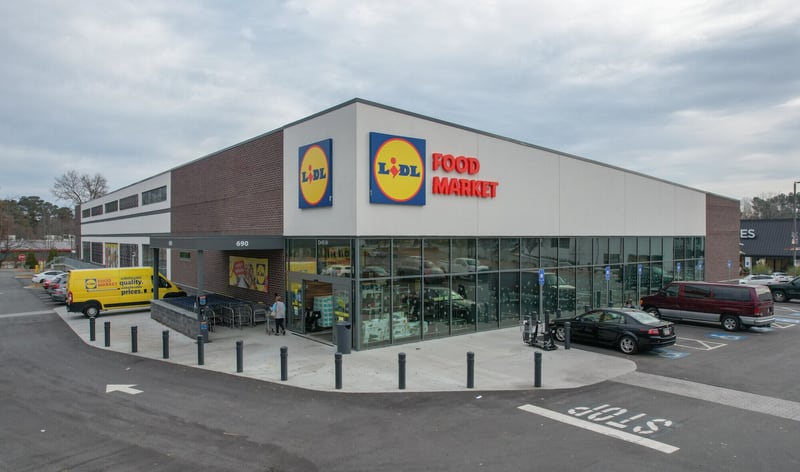
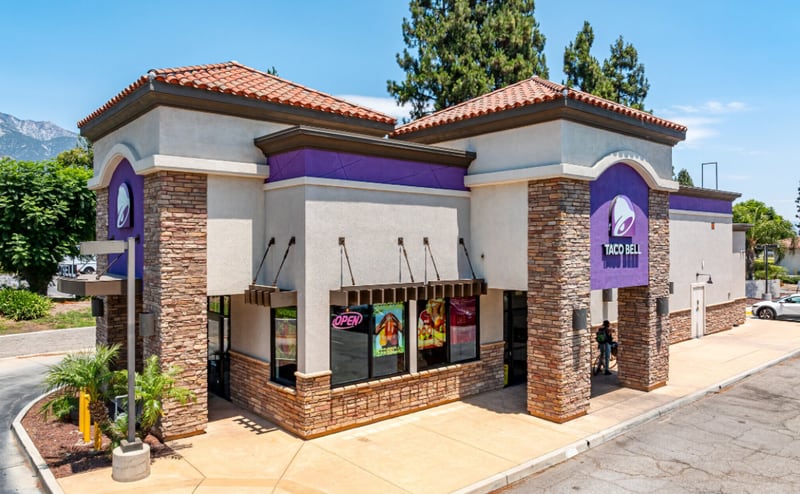
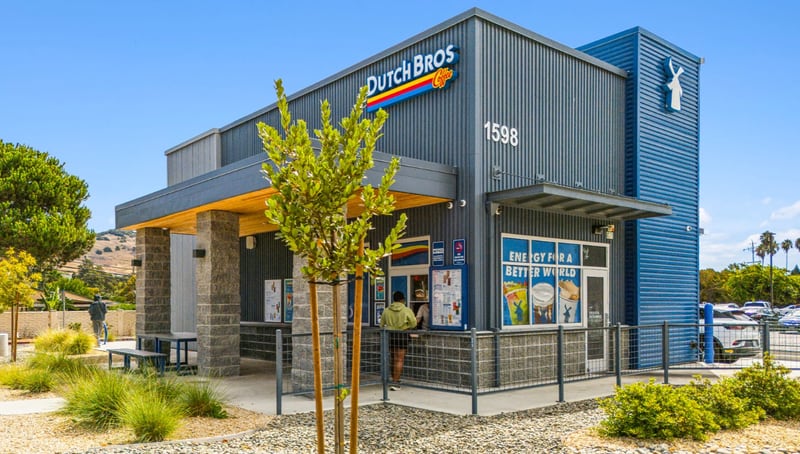
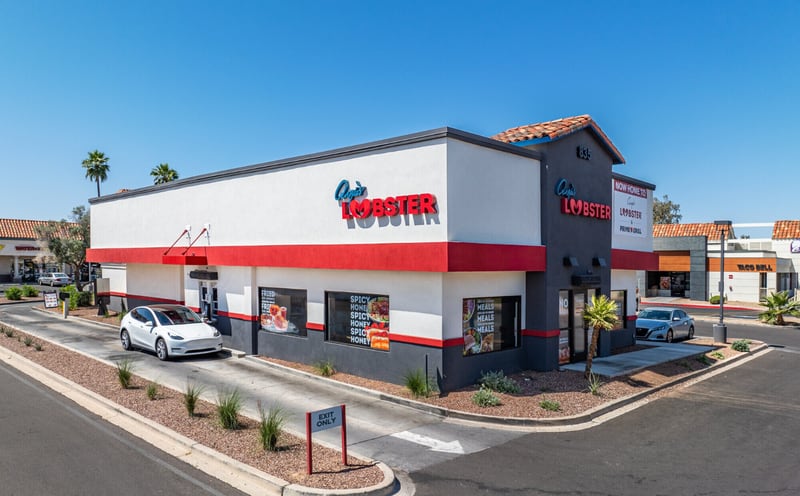
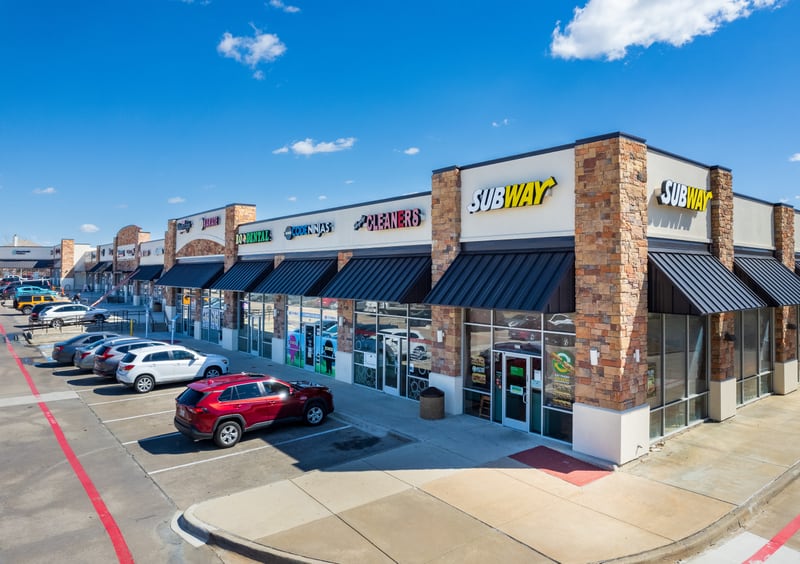
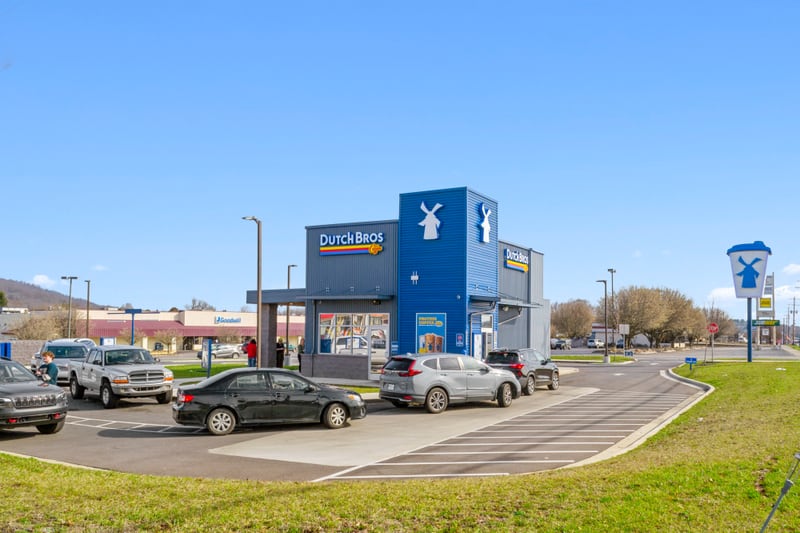
The small drive-thru unit is at once the most productive and the most expensive real estate per square foot in the category, and no published research yet prices what a vacated box under 1,600 square feet is worth.
Electronic shelf labels are being installed in U.S. grocery stores to mark down perishables and cut labor on a 1.7 percent net margin, not to raise prices when demand spikes, and the best available evidence finds no surge pricing after deployment.
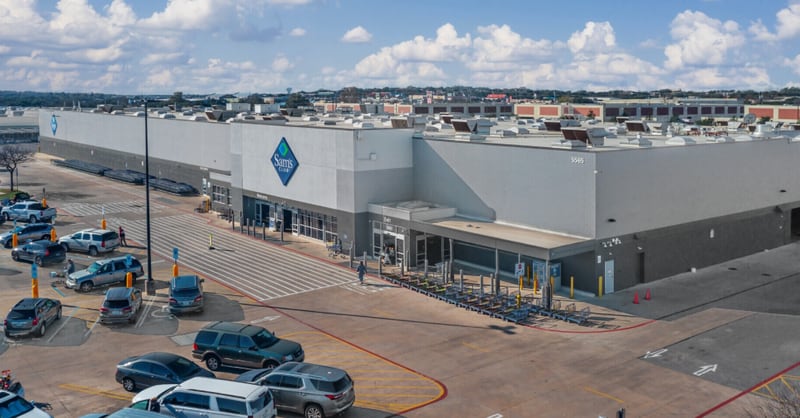
Costco and Sam's Club operate nearly the same number of U.S. clubs, 633 versus 600, but Costco generates roughly 2.0 times the U.S. revenue per warehouse, and that gap means the two anchors are not interchangeable in a credit memo.
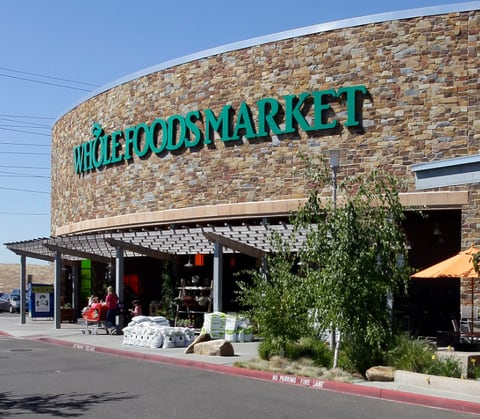
Sprouts and Whole Foods are not two sizes of the same concept: Sprouts is a capital-light unit-growth operator running smaller, margin-optimized stores with an assortment built to avoid mainstream overlap, while Whole Foods is becoming Amazon's sole physical grocery platform backed by 200+ million Prime members and a hybrid store-fulfillment model.
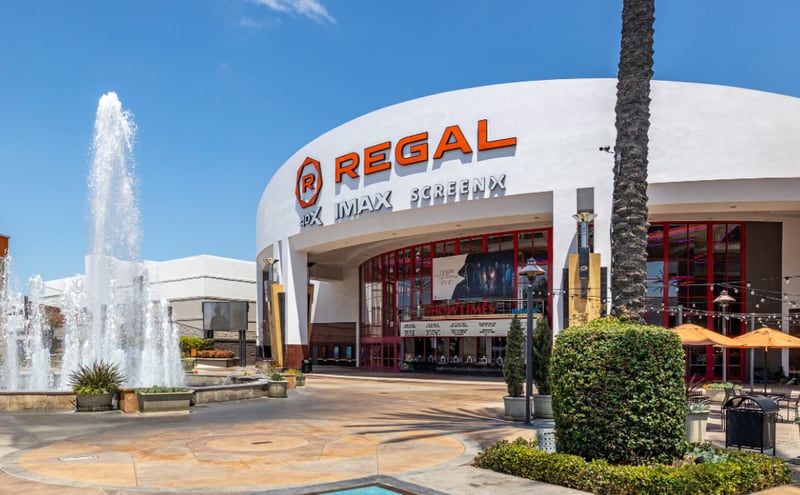
The US movie theater industry is settling into a permanently smaller equilibrium, and a return to the pre-pandemic $11 billion domestic box office appears unlikely absent a fundamental reversal in consumer behavior.
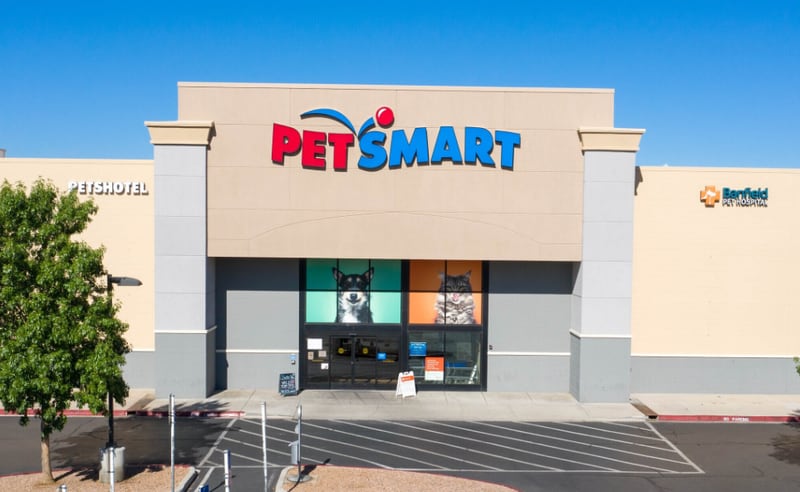
PetSmart and Petco sell the same products to the same customers in the same suburban shopping centers, but PetSmart is now the materially stronger tenant while Petco is executing a turnaround under a heavy debt load.
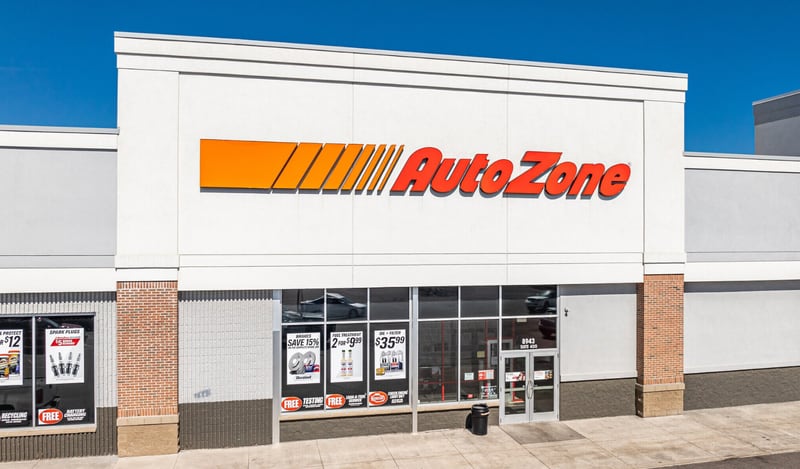
AutoZone's strategic position is strong, with record vehicle age and a retreating competitor supporting demand, but the case for the stock now turns on margin trajectory and commercial execution rather than on store growth.
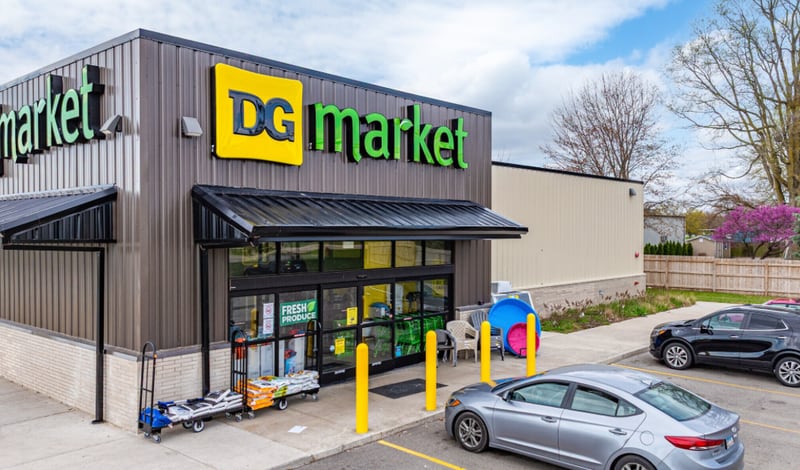
Dollar General and Dollar Tree are no longer running the same business: Dollar General is a rural consumables convenience store rebuilding operating discipline under a returning CEO, while Dollar Tree, after selling Family Dollar in July 2025 for $1 billion, is a suburban multi-price discretionary retailer pulling in higher-income households.
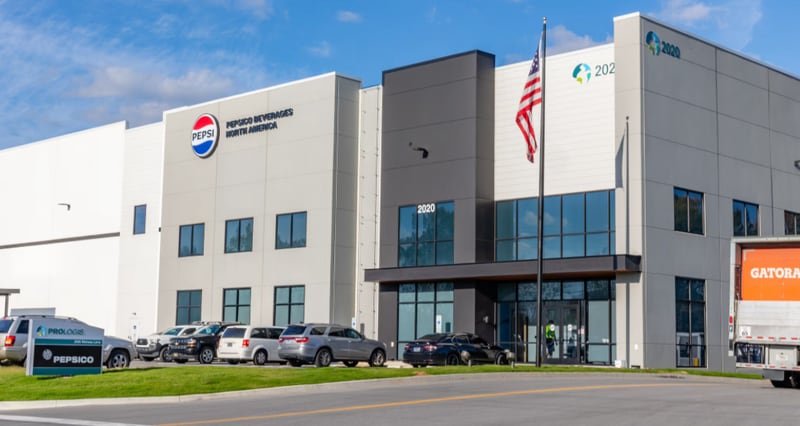
PepsiCo remains a sound, investment-grade counterparty and tenant, and the right posture toward it is constructive but watchful: the risk is not near-term default but the direction of travel on margins, market share and productivity.
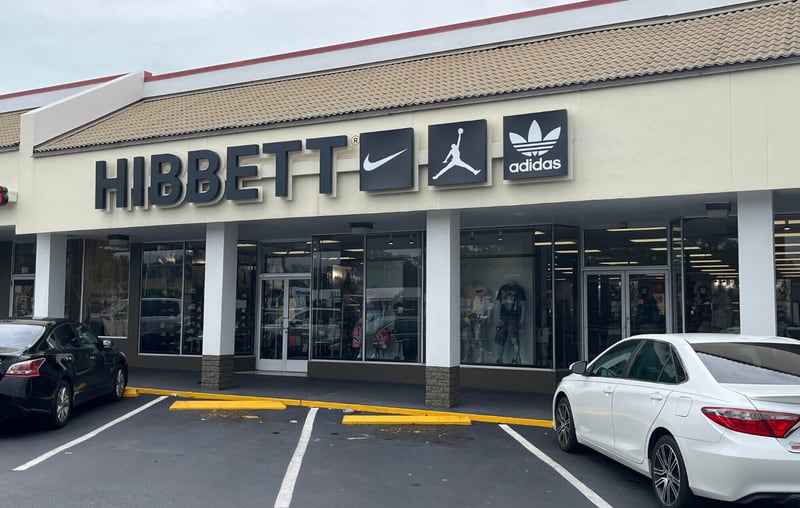
JD Sports has built a U.S. business of 2,000+ stores and roughly $5 to 6 billion in annual North American revenue, about 40% of group sales, but its position is not secure: the outcome depends on integrating four acquired banners, coping with a discount-driven young-consumer market, and absorbing tariff volatility.
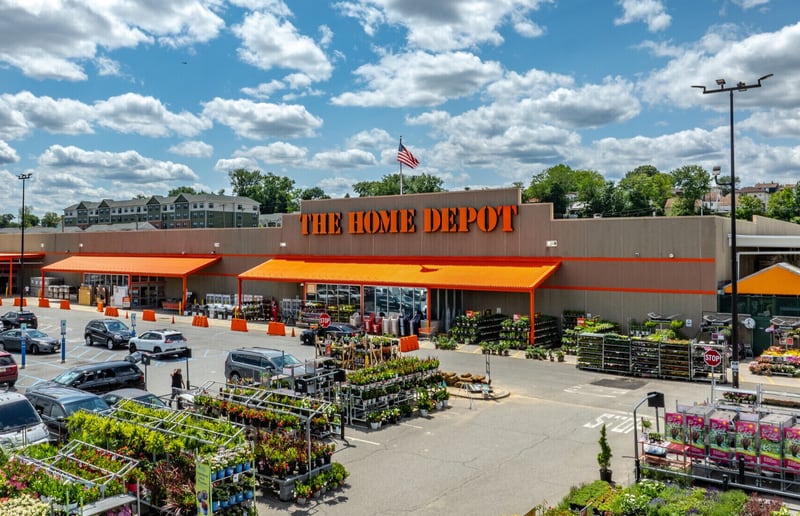
Home Depot's roughly 52% share of U.S. home improvement retail revenue is not under near-term threat from Lowe's, Menards, Tractor Supply or Amazon, because the company has turned its store base into a fulfillment network and shifted its mix toward professional contractors.
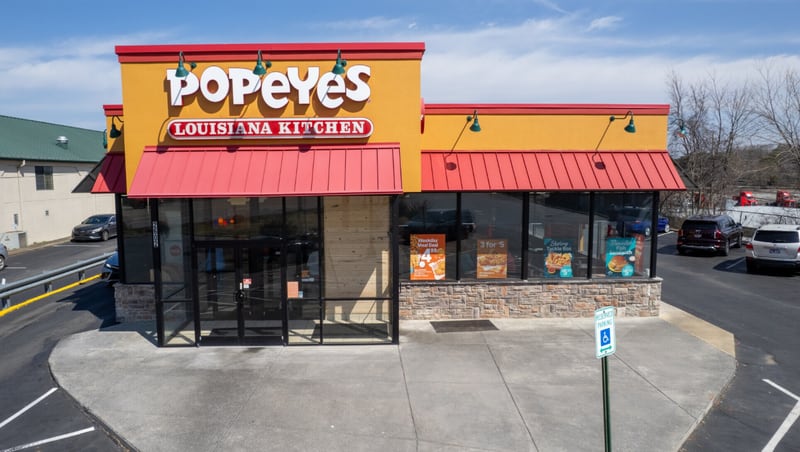
Restaurant Brands International's four-brand portfolio works as a hedge: Burger King, Tim Hortons, Popeyes and Firehouse Subs cover burgers, coffee, chicken and sandwiches across different dayparts and regions, so weakness in one segment or country is offset elsewhere.
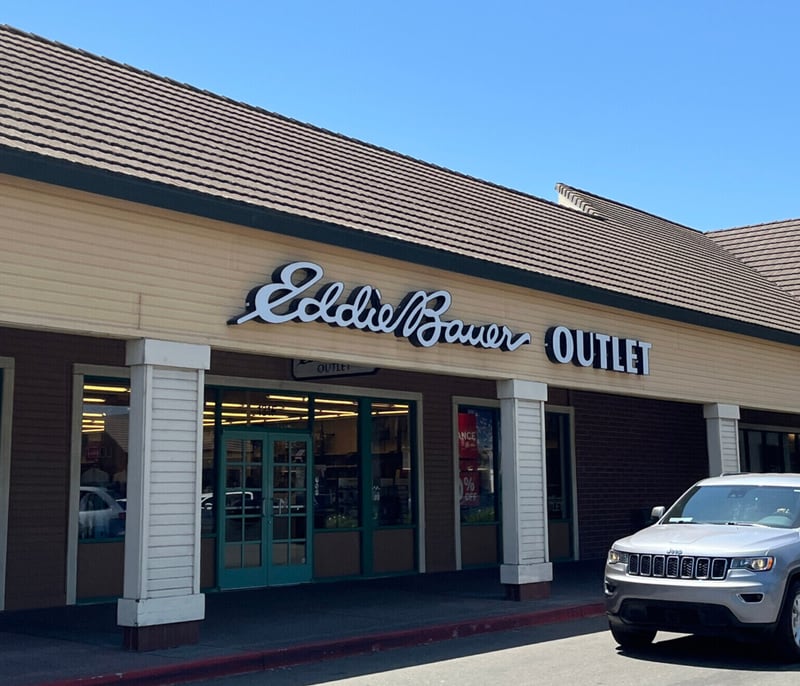
Eddie Bauer's planned closure of roughly 200 remaining U.S. and Canadian stores under a 2026 Chapter 11 filing, its third bankruptcy in 23 years, is the result of brand identity drift, reliance on outlet discounting and serial private-equity ownership rather than any single shock.
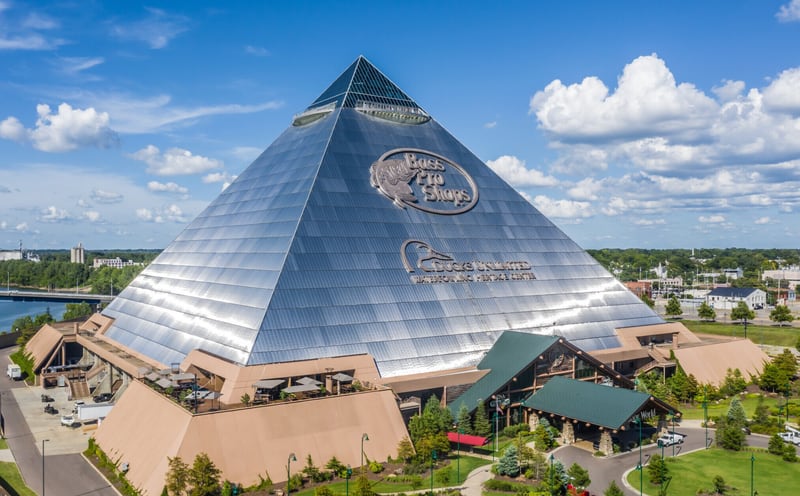
Bass Pro Shops holds the outdoor specialty segment by combining destination-scale stores with the largest online sporting goods business, a position anchored by the 2017 Cabela's acquisition for $4 billion and the Memphis Pyramid store.
Kroger remains the largest traditional U.S. grocer and a stable, cash-generative credit, but its supermarket business earns thin margins, its overall grocery share is slipping, and its online operation is still unprofitable and far behind Walmart, which is why the company is now cutting costs and paring back its Ocado warehouse network rather than expanding it.
Dutch Bros and Starbucks sell coffee on two different formulas, and the drive-thru-only model produces unit economics close to the café giant's despite a large gap in scale.
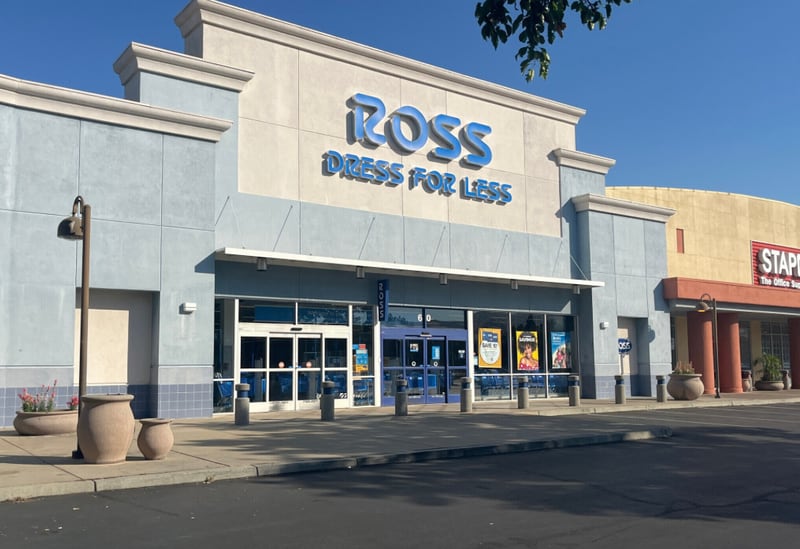
Ross Dress for Less is a financially strong, asset-light off-price retailer whose growth through 2030 will come from adding leased suburban stores rather than from e-commerce or reinvention.
Macy's remains the largest U.S. department store company by revenue and footprint, holding roughly 7.8% of department store sector sales against Nordstrom's roughly 4.5%, but Nordstrom produces far higher sales per store and both firms operate on net margins near 2%.
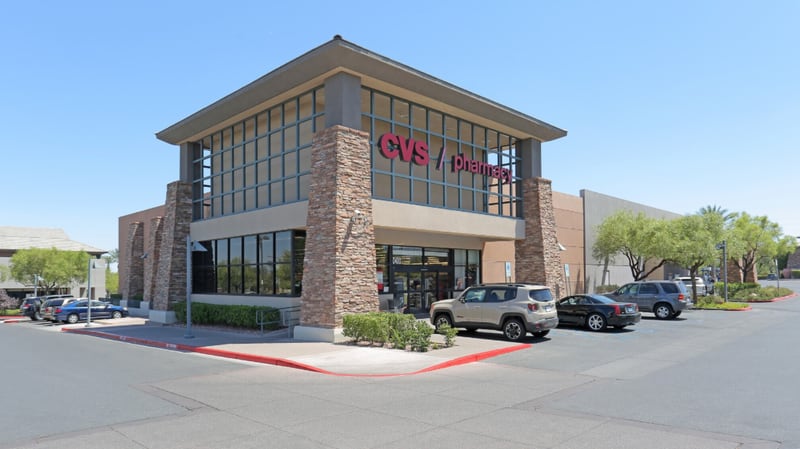
CVS Health is now the stronger of the two U.S. pharmacy chains: it has overtaken Walgreens in market share and holds an investment-grade credit rating while Walgreens has slipped into non-investment-grade territory and is cutting costs to stabilize.
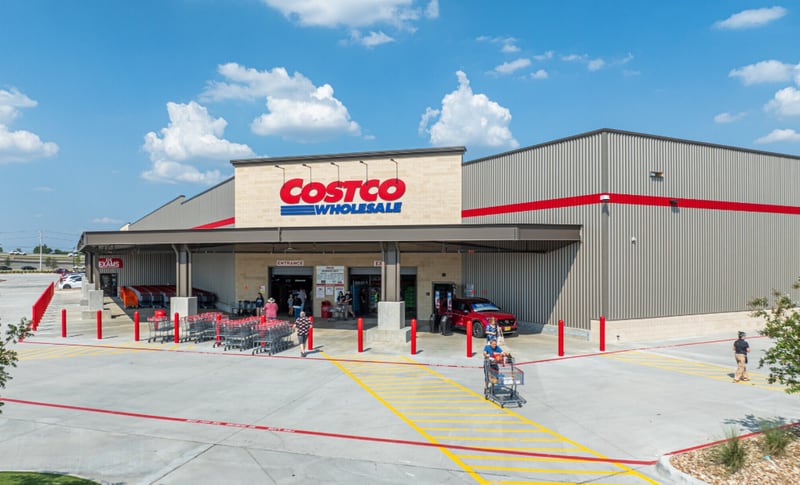
Costco's fewer-but-larger warehouse strategy delivers sales density and labor productivity that competitors in the U.S. warehouse club and supercenter segment do not match: roughly 629 U.S. warehouses, about 8% of industry locations, produced approximately $192 billion in 2025 revenue and roughly 25% of segment sales, up from about 24% in 2024 while overall industry revenue grew only about 1.9%.
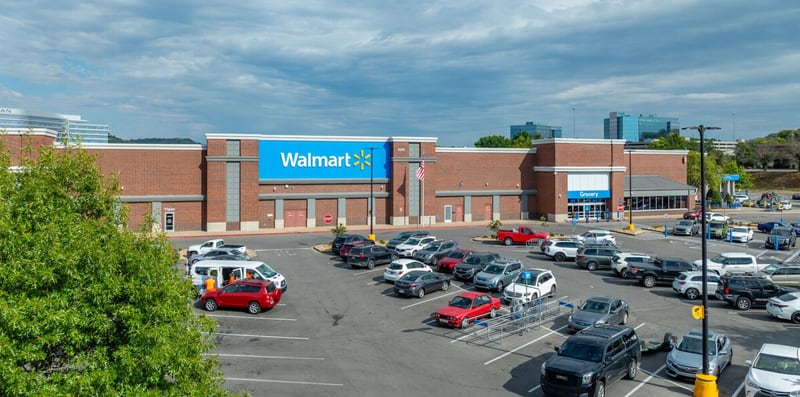
Walmart's volume model roughly doubles Target's store productivity: about $700 or more in annual sales per square foot against approximately $370 for Target, and on the order of $100 million per U.S. store against $50 to 55 million, while Target earns a higher operating margin of about 5 to 6% versus around 4% for Walmart's U.S. segment.
Converting vacant big-box and mall space into smaller convenience-oriented units and pad sites is financially feasible in the 2025 U.S. market, provided tenants are selected so that rent stays within the 6% to 10% occupancy cost range.
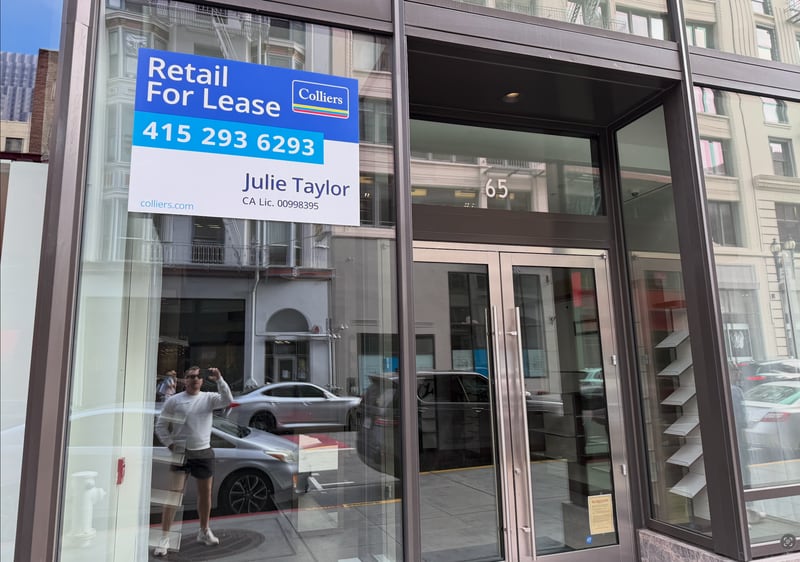
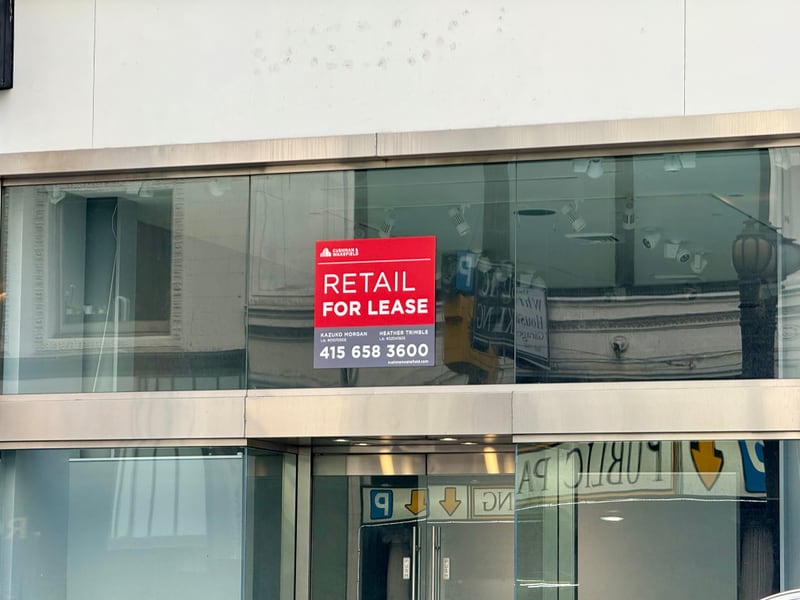
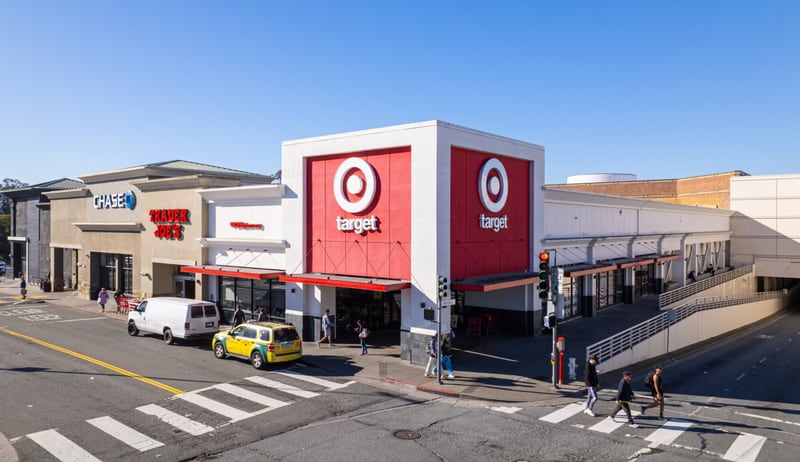
San Francisco's retail market is stabilizing at the citywide level in Q3 2025, but the recovery is split between neighborhood corridors that are effectively full and a downtown core that is half empty.
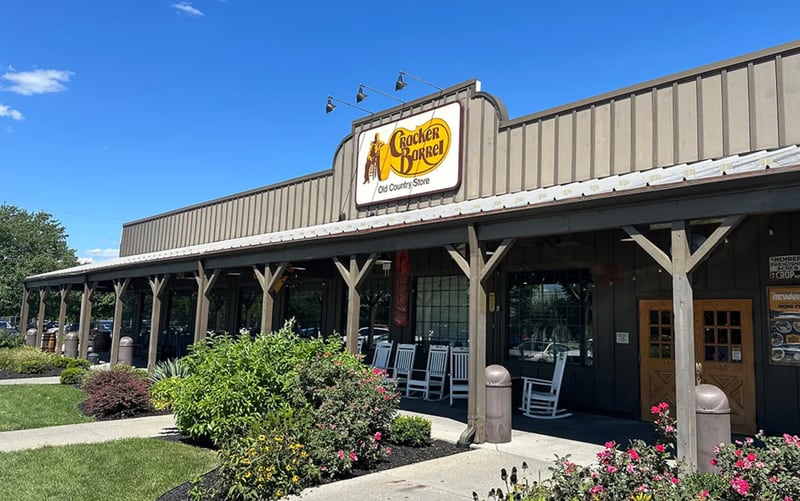
Cracker Barrel reversed its new logo within about a week, and the Walterboro, SC store showed no obvious drop in visits or dwell time during the episode.
U.S. retail real estate in 2025 is characterized by near-record occupancy, modest but positive rent growth, and stabilizing asset pricing, all underpinned by a decade of constrained new supply.
San Francisco retail is stabilizing on paper but has split into two markets: a downtown core that needs repositioning and diversification away from department store retail, and neighborhood and San Mateo County districts that warrant continued investment, so underwriting and strategy must be set at the submarket level rather than from citywide averages.
The U.S. coffee shop industry has reached near-maturity, and operators can no longer rely on volume growth: the remaining opportunity sits in specialty coffee, cost discipline and digital engagement rather than in the mass market.
The U.S. retail market through 2030 is a slow-growth, supply-constrained sector: revenue of roughly $7.4 trillion in 2025 is expected to compound at about 0.9% a year to around $7.7 trillion by 2030, while vacancy stays near historic lows and new construction remains scarce.