Summary
Restaurant Brands International's four-brand portfolio works as a hedge: Burger King, Tim Hortons, Popeyes and Firehouse Subs cover burgers, coffee, chicken and sandwiches across different dayparts and regions, so weakness in one segment or country is offset elsewhere. The group runs over 32,000 restaurants in more than 120 countries with system-wide sales exceeding $45 billion, and over 90% of those restaurants are franchised.
Growth is coming from abroad: in the first quarter of 2025 Burger King's international system-wide sales rose 10% while the U.S. segment grew about 0.2%, and by the end of 2025 roughly 60% of RBI sales came from the U.S. and Canada and 40% internationally. Tim Hortons contributed about $8 billion in system sales, roughly a third of the total, and Firehouse Subs reached about 40% digital sales in 2024, the highest among the brands.
Written for Lenders underwriting franchised QSR locations, CDCs reviewing restaurant franchise loan requests, Developers evaluating multi-brand restaurant sites, Analysts comparing QSR segment exposure. 33 minute read.
Key figures
- Reclaim the Flame investment in Burger King U.S.
- $400 million ($250 million for remodels and technology, $150 million for advertising)
- Restaurant Brands International (the Reclaim the Flame plan)multi-year plan launched in late 2022
- Popeyes international sales growth
- 8.6% year-over-year
- RBI's resultsQ1 2025
- Path to global restaurant growth
- 5% annually
- RBI Executive Chairman Patrick Doyle, on the Burger King China joint ventureannual growth path, stated with the 2023 China joint venture
- RBI global system-wide sales growth
- 5.3%
- Restaurant Brands International, full-year 2025 results (the company)2025
Updated: Mar 28
On any given morning in Canada, countless commuters line up at Tim Hortons for a cup of coffee and a maple-glazed doughnut. By noon in Miami, families pull into a Burger King drive-thru for Whoppers and fries. Across the globe in cities like Shanghai and London, curious diners bite into crispy Popeyes chicken sandwiches, while in small-town America, firefighters on lunch break order steaming subs at Firehouse Subs . These everyday scenes share an unlikely corporate connection: they’re all brought to you by Restaurant Brands International (RBI), a quietly amassed fast-food empire spanning burgers, coffee, fried chicken and sandwiches. Formed just a decade ago, RBI has swiftly become one of the world’s largest quick-service restaurant groups – with over 32,000 restaurants in more than 120 countries and annual system-wide sales exceeding $45 billion . This is the story of how RBI came to own four iconic brands – Burger King, Tim Hortons, Popeyes and Firehouse Subs – and how it’s leveraging that diverse portfolio to navigate a changing industry.
From Burgers and Donuts to an International Powerhouse
Restaurant Brands International’s origin reads like fast-food folklore. In 2014, Burger King – the Florida-based burger chain known for the Whopper – struck an $11.5 billion deal to merge with Tim Hortons, Canada’s beloved coffee-and-doughnut chain. The blockbuster merger, orchestrated by Brazilian investment firm 3G Capital, created a new Toronto-headquartered parent company (RBI) and instantly formed the world’s third-largest fast-food company at the time. The combination was audacious: a quintessential American burger brand joining forces with Canada’s coffee-and-donut institution. The deal, backed in part by a $3 billion investment from Warren Buffett’s Berkshire Hathaway, was structured as a tax inversion (domiciling the new company in Canada) but fundamentally about global growth. With roughly 18,000 restaurants across 100 countries after the merger, RBI had scale – and two strong brands with distinct niches.
RBI’s appetite didn’t stop there. In the years that followed, the company went on a buying spree to round out its menu of offerings. In 2017, RBI acquired Popeyes Louisiana Kitchen for $1.8 billion, adding the famed fried chicken and biscuits chain to its stable. Popeyes, founded in New Orleans in 1972, brought with it a cult following and a foothold in the booming fried-chicken segment – plus about 2,600 restaurants across the U.S. and beyond at the time. Then in late 2021, RBI snapped up Firehouse Subs , a fast-casual sandwich chain known for its hearty subs and firefighter-themed decor, in a $1.0 billion all-cash deal. With that, RBI’s portfolio grew to four brands spanning the major food categories of quick-service: burgers, coffee, chicken, and sandwiches.
Today, these brands operate independently in day-to-day management yet benefit from RBI’s global scale and resources. The company’s corporate evolution – from a two-brand merger in 2014 to a four-brand conglomerate by 2021 – reflects a deliberate strategy: build a diversified fast-food portfolio that can capture multiple customer segments and meal occasions. “RBI owns four of the world’s most prominent and iconic quick service restaurant brands – Tim Hortons, Burger King, Popeyes, and Firehouse Subs,” the company noted, highlighting that each has “a distinctive position within a compelling segment”. By design, each RBI brand maps to a different slice of the $387 billion-and-growing fast-food industry. Burger King tackles the burger business; Popeyes plays in fried chicken; Tim Hortons dominates coffee and baked goods, especially in Canada; and Firehouse Subs gives RBI a presence in the sandwich segment. This category spread is RBI’s recipe for resilience – a hedge against consumer taste shifts, economic ups and downs, and even seasonal or geographic swings in demand.
Before examining how RBI juggles these brands to its advantage, let’s take a closer look at each member of the family and the strategic role they play.
Burger King: The Flame-Grilled Flagship in a Burger Battle
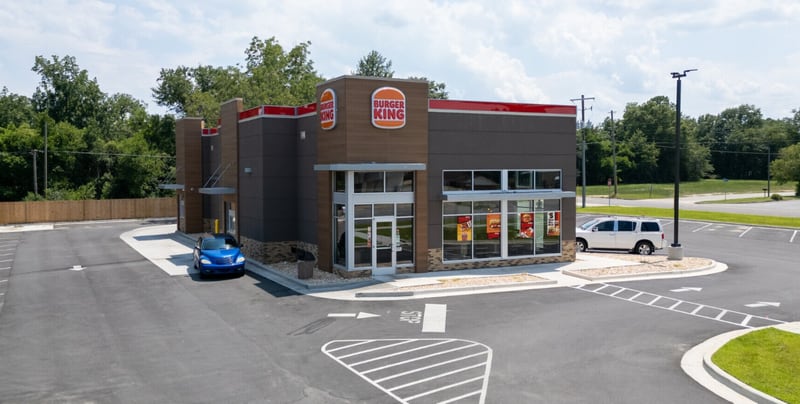
As the second-largest burger chain in the world, Burger King is RBI’s flagship brand and biggest revenue engine. The chain spans over 19,000 locations globally (in more than 100 countries) and accounts for the largest share of RBI’s system-wide sales. Long before RBI existed, Burger King was a well-known player – founded in 1954 and famous for flame-grilling and the Whopper – but by the early 2010s it had struggled to keep pace with arch-rival McDonald’s. 3G Capital’s takeover of Burger King in 2010 (and subsequent IPO) set the stage for the Tim Hortons merger that created RBI. Under RBI, Burger King has been pushing to modernize and regain momentum, especially in its critical U.S. market where competition is fierce and consumer trends are shifting .
In recent years, Burger King found itself squeezed by both traditional competitors and upstarts. On one front, McDonald’s solidified its #1 position with aggressive value deals and tech investments, while Wendy’s and others fought for the #2 burger spot. On another front, fast-casual brands like Shake Shack and better-burger concepts lured customers seeking fresher or more premium fare. Perhaps most surprisingly, the biggest competitive threat to Burger King’s U.S. sales came not from another burger joint at all but from a chicken sandwich: Chick-fil-A, the chicken-centric chain known for its fanatic following, surged past Burger King to become the nation’s third-largest restaurant chain by sales (behind only McDonald’s and Starbucks) despite operating only about one-third as many locations. Chick-fil-A’s average unit volumes, topping $7 million per store, have redefined QSR success and underscored Americans’ growing appetite for chicken.
Faced with these pressures, Burger King has been in turnaround mode. In late 2022, RBI launched a strategy dubbed “ Reclaim the Flame ,” a multi-year plan devoting $400 million (including $250 million for store remodels and technology upgrades, and $150 million for advertising) to revitalize Burger King’s brand in the U.S.. Early evidence of this strategy is visible: Burger King has been upgrading to digital menu boards and self-order kiosks , rolling out mobile app enhancements, and refurbishing aging restaurants to a sleeker, more modern look. These investments aim to “reposition the brand as a modern, tech-enabled destination” and shake off any perception of staleness. Marketing has also turned up a notch – Burger King’s recent campaigns (“You Rule” and catchy jingles) emphasize value and nostalgia, reminding customers of its flame-grilled heritage while promoting budget-friendly items.
Crucially, RBI is leveraging Burger King’s international strength . Outside the U.S., Burger King remains a formidable growth vehicle. In markets like Latin America, Europe, and Asia, BK is expanding rapidly via master franchise partnerships. For example, in China – the world’s largest consumer market – RBI has made Burger King a focal point: in 2023 RBI bought out its local partners to assume near-full ownership of Burger King China, then partnered with new investors to fund expansion from about 1,300 Chinese locations now to over 4,000 by 2035 . RBI’s Executive Chairman Patrick Doyle touted that this new China JV “gives us [a] path to 5% global restaurant growth” annually. Indeed, Burger King’s international segment is growing at nearly 10% year-over-year, outpacing the relatively flat U.S. performance. In the first quarter of 2025, Burger King’s system-wide sales in international markets jumped 10% while the U.S. segment barely grew (around 0.2%) – highlighting how emerging markets are picking up the slack. RBI’s playbook for Burger King is thus twofold: rejuvenate the U.S. base with tech and value offerings, and aggressively expand abroad where burgers still have room to run.
Even on menus, Burger King has shown flashes of agility. In 2019 it became the first big fast-food chain to introduce a plant-based burger nationally, the Impossible Whopper , giving it a “plant-based edge” and appealing to flexitarian eaters. The Impossible Whopper’s successful debut (it contributed to a notable same-store sales lift that quarter) signaled Burger King’s willingness to adapt to health and sustainability trends by offering meatless alternatives. The item remains on the menu years later, indicating genuine staying power in a category where many health-driven innovations flame out. Burger King has also doubled down on core offerings – e.g. rolling out an upgraded chicken sandwich of its own in 2021 to capitalize on the chicken sandwich craze that was sweeping the industry. That move was somewhat defensive – acknowledging that burgers aren’t the only breadwinner in QSR – but it helped BK compete for customers’ attention (and stomach share) during the “chicken wars” sparked by its sister brand Popeyes. All told, Burger King remains RBI’s workhorse: a globally recognized brand that provides massive scale (and franchise fee income) to fund RBI’s ambitions, even as it fights to reclaim relevance and traffic on its home turf.
Popeyes: A Spicy Contender Riding the Chicken Boom
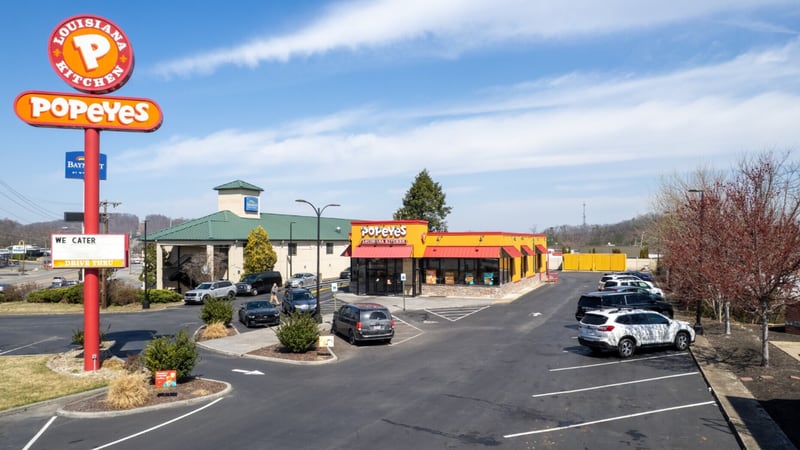
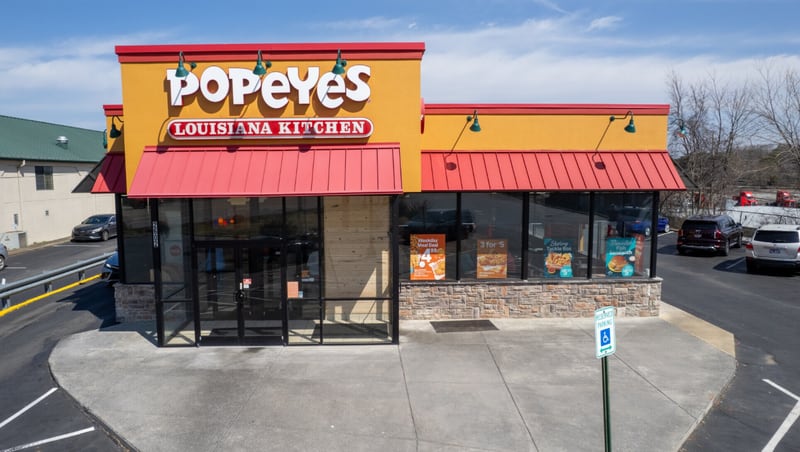
When RBI added Popeyes Louisiana Kitchen to its roster in 2017, it bought into more than a fried chicken chain – it bought into one of the hottest growth categories in fast food. Popeyes, famous for its Southern-style spicy fried chicken, biscuits and New Orleans flair, was a savvy strategic acquisition to give RBI a foothold in the chicken segment dominated by players like KFC and Chick-fil-A. At the time of purchase, Popeyes was already one of the world’s largest chicken QSR brands with over 2,600 restaurants, but RBI saw much bigger potential. As RBI’s CEO Daniel Schwartz said then, “Popeyes has a distinctive position within a compelling segment and strong prospects for growth... we look forward to accelerating its pace of growth” as part of the RBI family.
That bullish outlook soon proved prophetic. In August 2019, two years after the acquisition, Popeyes unleashed a menu item that ignited a social media firestorm now known as the Chicken Sandwich Wars . The chain’s new crispy chicken sandwich – a simple but perfectly executed combination of a breaded chicken filet, pickles and brioche bun – went viral . A Twitter feud with Chick-fil-A over who had the better sandwich set off a frenzy; lines snaked out the doors at Popeyes locations nationwide, and within weeks the sandwich sold out across the country. The numbers were staggering: Popeyes’ same-store sales rocketed 34% in Q4 2019, and system-wide sales jumped over 40% that quarter , all thanks to the sandwich’s runaway success. It was a lightning-in-a-bottle moment that not only turbocharged Popeyes’ business (franchisees suddenly had unprecedented volumes) but also validated RBI’s bet on the brand. Popeyes instantly went from a solid performer to a cultural phenomenon – giving RBI a jolt of youthful relevance and social media buzz that burger chains would envy.
The chicken sandwich frenzy also underscored the broader strength of the chicken category. In the U.S., chicken-focused fast-food chains have been on a tear , with Chick-fil-A leading the pack (its U.S. system sales jumped to $22.7 billion in 2025, surpassing every chain except McDonald’s and Starbucks) and regional brands like Raising Cane’s and Zaxby’s rapidly expanding. Industry data confirms that burgers may still lead in overall revenue, but chicken is the fastest-growing segment in recent years. Seeing this tailwind, RBI has positioned Popeyes to capture the global chicken craze. The brand has been expanding internationally at a brisk pace under RBI’s stewardship – entering new markets from Europe to Asia. In 2021, Popeyes opened its first UK restaurant to fanfare (Londoners queued for hours to try it), and RBI inked development deals for countries like India, China, and Brazil. In fact, RBI was so confident in Popeyes abroad that in 2024 it directly acquired Popeyes’ fledgling China operation (14 stores in Shanghai at the time) to invest in scaling it up, citing China as “one of the largest chicken QSR markets globally”. In RBI’s results, Popeyes’ international sales have shone – rising 8.6% year-over-year in Q1 2025 – as new overseas locations and localized marketing (for example, hyping the chicken sandwich in Asia and Latin America) drive growth.
But even at home, Popeyes has proven it’s not a one-hit wonder. After the sandwich mania cooled, Popeyes focused on operational improvements and menu innovation to sustain customer loyalty. The chain bolstered its digital game by launching a robust rewards app and delivery partnerships, recognizing that many fans discovered the sandwich through online hype. Popeyes also pledged to meet evolving consumer expectations on quality – for instance, by joining peers in removing antibiotics from its chicken supply to signal a commitment to healthier sourcing. And while fried chicken remains its core, Popeyes hasn’t been afraid to broaden its menu within its Cajun comfort-food identity. It introduced items like bite-sized chicken nuggets (to capitalize on boneless chicken demand) and even tested non-battered options like a blackened chicken sandwich (a seasoned, grilled variant) to appeal to lower-carb eaters. Crucially, Popeyes continues to lean into the spicy, rich flavors that differentiate it – bringing back limited-time favorites like spicy Ghost Pepper Wings to keep its die-hard fans excited.
The competitive dynamics of the chicken segment also help Popeyes. While KFC, the long-time king of fried chicken, has revamped its offerings (finally rolling out its own deluxe chicken sandwich in 2021) and enjoyed a turnaround, and while Chick-fil-A dominates in average unit sales, there is still ample whitespace for Popeyes. The chain’s franchisees have been steadily opening new locations, often in regions where Popeyes had little presence. For example, Popeyes still has room to grow in parts of the Western U.S. and smaller markets, even as some Southern markets approach saturation against KFC or Church’s. Industry analysts project the U.S. chicken QSR category will keep growing , albeit slowly (around 1% annually in revenue to 2030) – and the winners will be those who innovate and expand smartly. With RBI’s backing, Popeyes is intent on being one of those winners, using its now-famous sandwich as a beachhead to attract new customers and then offering them a full menu of bold Louisiana-inspired fare. In RBI’s multi-brand mosaic, Popeyes provides the heat and youthful energy – a brand that can ride social media waves and bring in younger consumers, while also plugging RBI into the surging global demand for fried chicken.
Tim Hortons: Canada’s Coffee King Eyes New Horizons
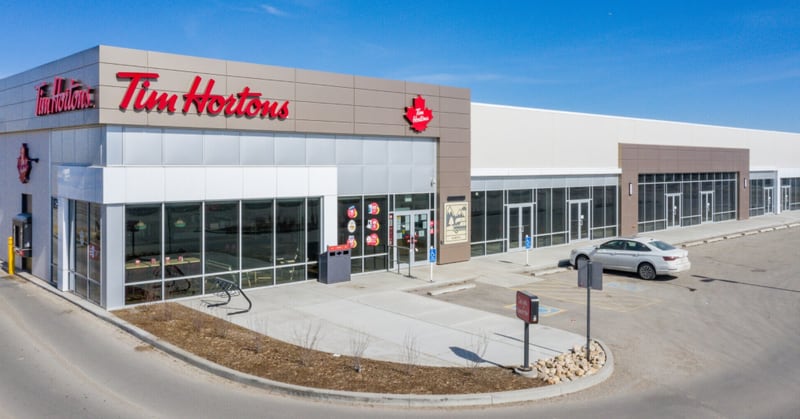
If Burger King is RBI’s muscle and Popeyes its spice, Tim Hortons is the heart and soul – at least for Canadians. Often simply called “Tim’s,” the chain is nothing short of a cultural institution in Canada. It’s the place where neighbors chat over a double-double (coffee with two creams, two sugars) and where kids get Timbits donut holes after hockey practice. Tim Hortons was founded in 1964 by hockey player Tim Horton and businessman Ron Joyce, and over decades it grew to become Canada’s largest quick-service restaurant chain , with nearly 4,000 Canadian locations from coast to coast. By the time Burger King merged with Tim’s in 2014, Tim Hortons commanded an estimated 70% of Canada’s market for brewed coffee sold in cafes or fast-food outlets – a staggering market share that speaks to its entrenched loyalty. The RBI merger effectively made Tim Hortons the crown jewel in RBI’s portfolio for the breakfast and coffee segment, pitting it (indirectly) against global coffee giants like Starbucks and Dunkin’.
Owning Tim Hortons gives RBI a strong hedge against the typical burger-and-fry cycle . Coffee, donuts and breakfast sandwiches are a different business – one driven by early dayparts and routine daily visits. In fact, Tim Hortons generates much of its traffic during the morning rush, serving millions of cups of joe and breakfast sandwiches to Canadians heading to work. This focus helped RBI balance its revenue streams; while Burger King and Popeyes do the heavy lifting at lunch and dinner, Tim’s brings in the morning crowd and between-meal snackers. And those sales are significant: Tim Hortons accounted for about $8 billion in system sales, making it the second-biggest brand in RBI’s stable after Burger King. It’s also hugely profitable; selling coffee for a few dollars a cup yields high margins, which support RBI’s bottom line and franchisee profits.
That’s not to say Tim Hortons hasn’t faced challenges. After the RBI takeover, Tim’s initially experienced some growing pains. Around 2018-2019, the chain weathered public spats with franchisees (who formed an association claiming RBI’s cost-cutting hurt quality) and struggled with a few off-key menu introductions. There was concern that Tim Hortons was losing a bit of its Canadian mojo. In response, RBI shuffled management and refocused on “back to basics” at Tim’s: improving coffee, donuts and breakfast – the core offerings – rather than chasing trendy items. The effort seems to have paid off. By 2023, Tim Hortons reported a strong sales rebound, with same-store sales up by double digits as pandemic restrictions eased and Canadians returned to their routines. Mornings, in particular, have recovered: breakfast sales in Canada were up 4.5% year-over-year recently, thanks in part to Tim’s dominant coffee (the brew that accounts for over 70% market share in Canada ) and new boosts like improved breakfast sandwiches.
An area of major growth for Tim Hortons is international expansion – a key RBI strategy to unlock more value from the brand. For decades, Tim’s was mostly limited to Canada (aside from a modest U.S. presence in northern states). RBI has been changing that, exporting a taste of Canada abroad. Tim Hortons has opened hundreds of stores in markets like China, the Philippines, the UK, and the Middle East in recent years. The China story is especially notable: RBI partnered with local investors to form “Tims China” and opened over 600 Tim Hortons cafes across dozens of Chinese cities since 2019, adapting the menu with items like mochi donuts and flavored tea to suit local tastes. In 2024, RBI deepened its commitment by investing another $30 million in Tim Hortons China to fuel further expansion. While growth has been slower than initially hoped (Tims China has encountered pandemic disruptions and capital needs), RBI clearly sees a long-term prize in introducing China’s massive middle class to the Tim Hortons brand. Elsewhere, Tim’s has launched in India (betting on that country’s developing coffee culture), entered parts of Latin America, and steadily grown its UK foothold in cities like London. The strategy is to leverage Tim Hortons’ Canadian credibility – its reputation for quality coffee and comfort food – while tweaking the offerings to local preferences. Early signs are promising; many new international stores have drawn curiosity and decent sales, though it will take time to approach the kind of market penetration Tim’s enjoys at home.
Within Canada, Tim Hortons continues to innovate carefully. It has added health-conscious options (like fresh fruit smoothies, and beyond-meat breakfast sausage – though that last one was a short-lived experiment) to keep up with changing consumer diets. It also invests in technology: digital orders and loyalty program . The “Tims Rewards” loyalty program, introduced in 2019, has tens of millions of users, encouraging repeat visits with free coffee after every 7 purchases and targeted promotions. Notably, Tim Hortons ran a popular $1 coffee promo via its app that drove traffic without deeply eroding margins, because customers often add high-margin food items to their order. RBI has disclosed that digital sales (mobile orders, delivery, etc.) now make up a significant chunk of Tim Hortons’ sales , reflecting the brand’s adaptation to the era of convenience. And like its sister brands, Tim’s has embraced delivery apps and drive-thru enhancements to reach customers wherever they are. In a post-pandemic world, those capabilities are almost as important as the coffee itself.
Ultimately, Tim Hortons gives RBI a market-leading anchor in the lucrative coffee and breakfast segment – one that complements the heavier lunch/dinner fare of Burger King and Popeyes. It also provides a measure of geographic diversification: because Tim’s business is heavily Canadian, RBI’s fortunes aren’t tied solely to U.S. economic cycles. For instance, if U.S. consumer spending dips, Tim Hortons’ Canadian strength (or growth in Asia) can help steady RBI’s overall results. With its deep emotional connection to customers and a category (caffeinated mornings) that transcends food fads, Tim Hortons is the steady, reliable engine of RBI’s portfolio – a bit like the comfort of a morning coffee amid life’s turbulence.
Firehouse Subs: Carving a Niche in the Sandwich Market
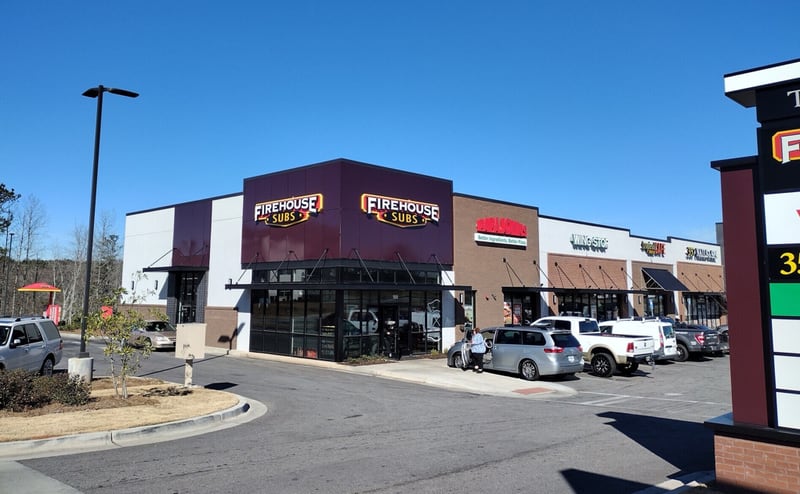
RBI’s newest addition, Firehouse Subs , represents a move into a different corner of quick-service: sandwiches and subs . Compared to its siblings, Firehouse Subs is smaller (about 1,200 locations at acquisition, mostly in the United States) and less internationally known – but it fills an important gap in RBI’s lineup. The sandwich segment has long been dominated by Subway, which became the world’s largest fast-food chain by unit count, but in recent years Subway’s store count and sales have declined, opening opportunities for rivals like Jimmy John’s, Jersey Mike’s, and Firehouse to grab market share. By purchasing Firehouse Subs for $1 billion in 2021, RBI effectively bought itself a seat at the sub shop table – diversifying into a category that serves a different consumer need (a freshly made deli sandwich) and often a different daypart (a lot of mid-day business and catering).
Firehouse Subs was founded in 1994 by two firefighter brothers in Jacksonville, Florida, and its brand identity is deeply tied to firefighting and community service. Restaurants are decorated with firefighter helmets and memorabilia, and a portion of proceeds go to the Firehouse Subs Public Safety Foundation supporting first responders. This resonant story and cause give Firehouse a unique cachet with customers and franchisees. When RBI acquired Firehouse, it explicitly noted it was adding “a strong, loved and purpose-driven restaurant brand” to the family. For RBI, which is often seen as a very analytics- and cost-driven operator, Firehouse brought a bit of heart and grassroots goodwill.
From a strategic perspective, Firehouse Subs also brought growth potential. At acquisition, the chain was mostly in the U.S. (with a concentration in the Southeast) and had just started exploring international markets. RBI saw the chance to scale up Firehouse using its franchising expertise and global network . In the year after joining RBI, Firehouse’s system sales and unit count both rose in the mid-to-high single digits, making it one of RBI’s fastest-growing brands in percentage terms. In 2025, Firehouse achieved about 6 to 8% system-wide sales growth and nearly 7% net restaurant growth – strong numbers, especially considering the broader challenges many restaurants faced with labor shortages and inflation. Though Firehouse is still a relatively small slice of RBI’s ~$45 billion system sales, it’s a high-growth slice that can contribute meaningfully over time as it expands.
One area where Firehouse Subs has excelled (with RBI’s support) is digital and delivery adoption . The brand doubled its digital sales mix in recent years – from roughly 20% of sales coming via online orders pre-acquisition to about 40% digital sales in 2024 , the highest digital mix among RBI’s brands. This is partly because sandwiches travel well for delivery and because Firehouse embraced partnerships with apps and invested in its own app for easy ordering. That digital strength proved valuable during the pandemic and beyond, as customers increasingly expect convenience. Additionally, RBI has likely been able to leverage its scale to negotiate better deals with food delivery platforms for all its brands, including Firehouse.
Firehouse’s menu and positioning hit a sweet spot in the fast-casual spectrum: it offers hot subs loaded with meats and cheeses , made fresh to order, at a price point a bit above typical fast-food sandwiches but with quality and portion sizes that justify it. In an era where Subway has closed hundreds of stores and reinvented its menu to stem declines, Firehouse has been gaining fans with its steamy sandwiches (it uses a unique steaming method for meats and cheeses) and premium ingredients. Competitors like Jersey Mike’s and Jimmy John’s ensure the sandwich space remains competitive, but it’s also a very large market – virtually every American town has demand for a sub shop. RBI can help Firehouse by accelerating franchise development in new regions (perhaps bringing the brand to Canada or international markets more systematically) and by applying its marketing muscle. Already, Firehouse has seen average unit volumes rise and profitability improve under RBI’s wing, helped by synergies in food procurement and maybe even cross-promotion (imagine combo deals or shared loyalty benefits across RBI’s brands).
Importantly, Firehouse Subs gives RBI another hedge against market conditions . Sandwich shops don’t rely on fryers or beef the way burger joints do, so they were less affected by, say, spikes in beef prices or frying oil costs. During economic downturns, a hearty sub might attract customers trading down from a full-service meal, while in boom times, it competes well for lunchtime office catering. Firehouse’s community-centered brand also engenders loyalty – customers who value the charitable aspect may choose Firehouse over other options, providing a somewhat stickier customer base.
All told, Firehouse Subs is RBI’s small but promising growth engine: a brand with a strong story, solid unit economics, and a category (quick-service sandwiches) that complements RBI’s other segments. As RBI nurtures it, Firehouse can spread to new territories and serve as yet another way RBI stays relevant to consumers’ varied cravings – from breakfast through dinner.
A Menu of Strategies: How RBI’s Portfolio Provides an Edge
After assembling its collection of brands, RBI has effectively positioned itself as a one-stop shop for fast-food resilience . The logic of its diversification becomes clear when looking at consumer trends and economic forces shaping the food service industry. Each RBI brand targets a different consumer occasion and food category, which means RBI is not overly reliant on any single trend. This multi-brand, multi-segment approach acts as a hedge and also a platform for balanced growth.
Hedging Consumer Tastes: Dietary fads and taste trends can swing quickly in food. Suppose consumer preferences shift away from red meat due to health concerns – RBI isn’t caught flat-footed because it can lean on chicken (Popeyes) or plant-based offerings (Burger King’s Impossible Whopper) or even meatless breakfast items (Tim Hortons has offered meat-free sausage breakfast sandwiches). Conversely, if bakery sweets or carbs fall out of favor, RBI has protein-heavy options in its burger and chicken lines. We’ve seen health and wellness trends push fast-food chains to adapt menus: RBI’s brands have done so across the board. Burger King added salads and the Impossible Whopper to give health-conscious guests an option. Popeyes and KFC eliminated antibiotics in chicken production to meet consumer standards. Tim Hortons introduced lower-calorie beverages and posted calorie counts on menu boards. In short, RBI can accommodate shifts from indulgence to nutrition and back again by having a range of offerings under one corporate roof. And if tastes swing toward spicier or more global flavors – as evidenced by younger consumers’ love for Popeyes’ Cajun spice or even Tim Hortons’ expanding tea-based drinks in Asia – RBI is positioned to capture those cravings too.
Navigating Economic Ups & Downs: Fast food is often considered “recession-resistant” – when the economy dips, people trade down from pricier dining to fast-food value meals. RBI’s portfolio amplifies that resilience because it covers various price points and use-cases. For example, Tim Hortons’ affordable coffee and breakfast items make it a daily staple even in tough times; a customer might skip an expensive café latte but still get a $2 Tim’s coffee and donut. Burger King aggressively promotes value menu items (like $1-$2 tacos or $5 combo meals) during high-inflation periods to keep traffic flowing. Popeyes can introduce combo deals (indeed, Popeyes reintroduced a $5 meal deal as an “inflation fighter” in some markets) to appeal when wallets are tight. Firehouse Subs has leaned into a $5.99 medium sub offer to stay competitive on price. During better economic times, the same brands can upsell premium items – e.g. Burger King’s specialty King burgers or Tim’s expansive lunch wraps – to boost check sizes. Furthermore, RBI’s geographic spread helps manage economic volatility: strength in one region can offset softness in another. A recession in North America might be counterbalanced by growth in Asia or vice versa. By the end of 2025, RBI derived roughly 60% of its sales from the U.S. and Canada and 40% internationally, and it has flagged markets like China, India, and Brazil as major expansion fronts. This geographic balance means the company is not overly exposed to one country’s economic cycles.
Seasonality and Daypart Balance: Even the seasons and times of day are hedged by RBI’s mix. Geographic seasonality can impact sales – e.g. a harsh Canadian winter might dent restaurant traffic, but Burger King’s large presence in Latin America and Asia (where winter is milder or it’s summer when North America is in winter) provides a counterweight. Seasonality also comes in product forms: ice cream and cold drinks sell better in summer (Burger King and Tim’s both have frozen offerings), whereas hot coffee and soup see bumps in winter (Tim Hortons thrives then). RBI’s year-round offerings ensure that as seasonal demand for one category wanes, another picks up. In terms of daily sales patterns, Tim Hortons’ breakfast focus brings in revenue in the early hours, Burger King and Popeyes drive lunch and dinner, and late-night munchies might be split among them. This daypart coverage smooths sales across the day. It’s no accident that RBI often highlights how its brands complement each other – they’re not directly cannibalizing each other’s sales but rather filling in each other’s weak spots.
Scale and Cost Synergies: Running four brands also allows RBI to leverage economies of scale in supply chain and technology that benefit all of them. As one example, RBI’s centralized procurement can negotiate better prices for ingredients like chicken or paper packaging in bulk for the group, helping franchisees’ margins across the board. During the inflation surge in 2022 to 2023, food costs (from coffee beans to beef to cooking oil) spiked. RBI managed to partly blunt the impact by using its scale and also by its asset-light franchisor model – over 90% of RBI’s restaurants are franchised, meaning the company earns royalties (a percentage of sales) while franchise owners bear most operational costs. This model “passes along” some cost risks to franchisees, but RBI in turn must ensure franchisees remain profitable. In 2025, as inflation drove up labor and commodity expenses, RBI noted that its franchised structure helped maintain corporate margins while enabling localized pricing adjustments. Essentially, RBI can be nimbler with pricing because franchisees can tweak deals store by store, and RBI still collects its royalties. The near-fully franchised approach also reduces RBI’s capital expenditures, freeing up cash that it has been investing in advertising and digital innovation to drive customer traffic instead.
Technology and Delivery Platforms: A major trend reshaping fast food is the rise of digital ordering and delivery – and here RBI’s scale offers a clear edge. The company has been rolling out mobile apps, loyalty programs, and self-order kiosks across all its brands. Each brand’s app is tailored (the Tim Hortons app for example offers order-ahead and the Roll Up The Rim game digitally; Burger King’s app is heavy on coupons and gamified rewards), but behind the scenes RBI can share tech resources and data analytics across the group. By late 2025, about a third of RBI’s sales came via digital channels – a proportion that has steadily grown. During the pandemic, digital prowess was a lifeline as customers shifted to drive-thru and delivery; RBI reported double-digit growth in digital sales and has continued to build on that habit. The role of third-party delivery (Uber Eats, DoorDash, etc.) is another key dynamic. RBI’s brands all partner with these platforms, and the company can negotiate enterprise-wide agreements to secure better commission rates or marketing placements on the apps. Importantly, delivery and drive-thru have different strengths for each brand – e.g. Tim Hortons sees more drive-thru business (morning commuters grabbing coffee), whereas Popeyes and Burger King get a sizable chunk of delivery orders (families ordering dinner at home). Having multiple brands means RBI participates in all facets of the delivery boom , capturing incremental sales. It’s also exploring new formats like ghost kitchens and smaller footprint stores optimized for delivery and takeout, especially in urban areas for Popeyes and Tim’s. Embracing technology doesn’t just drive sales – it also helps with the labor challenges plaguing the industry. Facing a tight labor market and rising wages, RBI has used digital tools to ease the burden on staff (e.g. kiosks to handle routine orders, kitchen automation for consistency). This is crucial because labor shortages have led some restaurants to shorten hours or service. RBI directly addressed this by accelerating tech adoption; the COVID-19 pandemic “ accelerated ” the use of self-order kiosks and other tech, which in turn helps mitigate staffing challenges and improve efficiency . For instance, Burger King installing ordering kiosks means one less cashier needed per shift – easing pressure when workers are hard to hire.
Managing Market Saturation: The diversified portfolio helps RBI deal with the reality that some markets are saturated for certain concepts but not for others. In the U.S., for example, burger joints are ubiquitous – Burger King has to fight for every marginal guest, and growth often comes from stealing share rather than opening many new stores. However, coffee/bake shop or chicken segments might still have expansion room. Tim Hortons, while saturated in Canada, has very little presence in the U.S., so there’s whitespace if executed correctly (RBI could, say, co-locate Tim’s in some Burger King locations in the U.S. or test coffee in BK breakfast menus). Popeyes, as noted, still has U.S. regions to grow into where demand for spicy fried chicken is strong but the brand is new. And Firehouse Subs, pre-acquisition, had huge whitespace west of the Mississippi – RBI can facilitate franchises in those untapped territories. Internationally, each brand has different trajectories: Burger King and Tim Hortons are fairly mature in many markets, but Popeyes and Firehouse are just beginning globally. RBI can prioritize whichever brand makes sense for a given country – for instance, it might lead with Popeyes in South Korea where there’s already lots of burger competition but perhaps an opening for Louisiana chicken; or introduce Tim Hortons in markets with a strong coffee culture before bringing in the others. This flexible expansion strategy, deploying the right brand in the right market, is a distinct advantage of RBI’s multi-brand portfolio.
In essence, RBI is crafting a natural hedge against volatility : by owning four distinct yet complementary brands, it smooths out the bumps that any single brand or segment might encounter. When beef prices skyrocketed 20% in a year , RBI leaned on chicken and coffee (and franchising to absorb costs) rather than seeing margins evaporate. When a viral TikTok trend made a competitor’s menu item the hot new thing, RBI’s diverse menu meant one of its brands might be benefitting (or it could quickly emulate the trend across brands). And should consumer sentiments shift – say, toward more eco-friendly, plant-based eating – RBI has already dipped a toe in with Burger King’s Impossible offerings and can do more across its lineup. The company’s ability to balance value and premium , local and global, traditional and trendy, largely comes from this portfolio approach.
Of course, managing four brands is not without challenges. RBI must ensure it doesn’t neglect one brand while favoring another. There have been critiques (especially from some franchisees) that, for example, Burger King needed more reinvestment after the Tim’s merger, or that Tim Hortons’ issues distracted management from Popeyes, etc. RBI has responded by appointing dedicated leadership for each brand and even bringing in outside talent – notably, former Domino’s CEO Patrick Doyle was named RBI’s Executive Chairman in 2022 to help drive performance improvements system-wide. Doyle’s mantra has been to invest in the basics – quality, service, cleanliness – and empower franchisees to grow, which is being applied across all brands now.
The Road Ahead: Challenges and Opportunities
As RBI heads into the late 2020s, it faces the same question as the rest of the fast-food industry: How to stay relevant, profitable, and growing in an environment of intense competition and evolving consumer expectations? The company’s multi-pronged strategy gives it a fighting chance to answer that question.
Some challenges are external: market saturation in North America means RBI will rely on international growth and menu innovation to drive sales. Health trends and regulatory pressures (like salt/sugar reduction targets or mandatory calorie labeling) will require continuous adaptation of recipes – something RBI has shown it can do, but must keep doing to avoid being seen as purveyors of only “junk food.” The brands will need to further diversify menus with healthier options (e.g. more plant-based items, or smaller portions) without alienating core customers who come for indulgence. Labor dynamics remain tough – wage inflation is likely to persist, and unionization efforts (Starbucks has seen a wave of store unionizations; it’s not impossible that could spread to other chains) could increase labor costs or alter workplace practices. RBI’s heavy franchising insulates it somewhat – its direct labor force is small – but franchisees feel the pinch, and unhappy franchisees can lead to degraded customer experience. So RBI will need to support franchisees with technology and training to do more with less labor. Already, we see experiments like automated fryers or AI drive-thru voice assistants in the industry; RBI’s brands may adopt some of these if proven, following the lead of peers (for instance, White Castle tested a robot fry cook, McDonald’s is piloting an AI order-taker). Embracing such automation tech carefully could ease labor woes but requires capital and careful rollout to not sacrifice service quality.
Then there’s the realm of tech and delivery which will continue to evolve. The pandemic-era surge in delivery has leveled off, but many consumers have permanently shifted some habits to digital ordering. RBI’s focus now is on deepening the engagement in its apps – e.g. using personalization and loyalty data to send tailored offers (something McDonald’s and Chick-fil-A excel at with enormous digital rewards member bases). RBI will want to catch up or leapfrog on this front, possibly leveraging AI-driven analytics to recommend add-ons (much like e-commerce does) or to manage inventory dynamically. The competition in digital convenience is heating up: competitors are investing in drive-thru tech (Chick-fil-A’s app can indicate arrival so food is ready; Taco Bell is building double-decker drive-thrus for mobile orders). RBI’s brands have started to roll out their own innovations – Burger King has prototype restaurants with conveyor belts delivering food to cars for minimal contact, and Tim Hortons tested automated pickup cubbies in some urban locations. The company that best marries fast food with tech-enabled convenience may secure the next generation of loyal customers.
RBI also has a unique opportunity and challenge as a steward of brands that carry emotional weight . Tim Hortons in Canada or Burger King in many countries have decades of heritage. Modernizing them (with new looks, new slogans, new tech) must be balanced with preserving what people love about them. RBI’s marketing in 2024 to 2025 showed awareness of this – Burger King leaned into its legacy “Have it Your Way” jingle with a remixed campaign (“You Rule”) that went viral on social media for its earworm quality, successfully bridging nostalgia and contemporary culture. Tim Hortons brought back its iconic “Roll Up The Rim” promo in a digital format to delight long-time fans while engaging new ones on mobile. These moves indicate that RBI understands the cultural capital of its brands and the need for narrative alongside novelty. Maintaining that connection will be key to preventing customer churn as new trendy competitors emerge.
Financially, RBI has set a goal of robust growth – it projected 8%+ organic adjusted operating income growth for 2025 and beyond . Hitting that will require not just cost management (which 3G Capital is famously adept at) but true top-line expansion. That likely means RBI will continue to open new restaurants (it’s targeting thousands of new units globally across the brands) and also squeeze more sales from existing stores via improved menu offerings, upselling, and possibly price increases where justified. The risk is if economic conditions worsen (e.g. a recession dampening consumer spending), RBI’s sales could slow. However, as discussed, the company is somewhat insulated by the nature of its value positioning; in fact, in early 2023 when inflation was squeezing budgets, RBI still grew sales as many consumers opted for its quick-service meals over pricier dining. Additionally, RBI’s franchisor model means even if sales growth slows, its revenue (largely royalty-based) is more stable than a restaurant operator’s would be – but it also means RBI must keep franchisees profitable or risk store closures.
One interesting facet to watch is whether RBI will pursue further acquisitions to extend its portfolio. Having four brands is already a lot to manage, but the company might eye other segments. For instance, does RBI want a dessert brand (a la Dairy Queen or Baskin-Robbins) to capture sweet snacks? Or perhaps a Mexican fast-food concept to go toe-to-toe with Yum! Brands’ Taco Bell or to capture the global popularity of foods like burritos and tacos? There have been no concrete signals yet, but given 3G’s deal-making history, one can’t rule out RBI evaluating opportunities if an attractive target comes along – especially now that interest rates and markets have normalized post-pandemic. Any acquisition would have to meet RBI’s criteria of an “iconic brand” with growth potential and franchising compatibility.
Ultimately, RBI’s story is still being written, but its strategy of uniting diverse fast-food brands under one umbrella is proving its worth. By maximizing common strengths (scale, franchising, digital infrastructure) while preserving each brand’s unique identity , RBI has managed to keep all four engines running. In the words of RBI’s CEO Josh Kobza, the focus is on “improved sales trends and strong execution led by our two largest businesses, Tim Hortons and Burger King...with impactful marketing and operational initiatives” driving improvements, while accelerating international growth. Investors and industry watchers are taking note that RBI has been able to lift sales even amid inflation and a crowded marketplace.
In a New York Times interview years ago, one of 3G Capital’s co-founders remarked on the Burger King/Tim Hortons merger, saying they aimed to build “not a burger company, not a coffee company, but a world-leading quick-service restaurant company.” RBI today reflects that vision. It’s no longer defined by any single cuisine or brand but by a portfolio approach to feeding the world’s cravings . If you want a flame-grilled burger, a frothy cappuccino, spicy fried chicken, or a hearty meatball sub, RBI has a brand for you. Few companies so seamlessly span the spectrum of fast food. That diversity, coupled with disciplined management, could well be RBI’s secret sauce as it navigates the twists and turns of consumer behavior.
For now, RBI’s formula appears to be delivering results. The company closed out 2025 with 5.3% global system-wide sales growth , including positive comparable sales across all its brands. It’s a respectable showing in a challenging environment, indicating that the multi-brand strategy is yielding incremental gains. The coming years will reveal whether RBI can keep all four brands growing in harmony or whether it hits bumps in integrating new technologies and expanding globally. But one thing is certain: the next time you grab fast-food – be it coffee, burger, chicken or sub – you just might be contributing to Restaurant Brands International’s grand experiment in fast-food empire-building. And if RBI has its way, you’ll be coming back for seconds.
February 16, 2026, by a collective of authors at MMCG Invest, LLC, feasibility study consultant
Sources:
Reuters – “Burger King pulls Whopper off discount menu; parent RBI to hike prices” (Feb 15, 2022)
Reuters – “Restaurant Brands gets a lift from Burger King turnaround, strong demand at Tim Hortons” (Feb 13, 2024)
Reuters – “KFC to test revamped sandwich after last year’s fried chicken frenzy” (May 26, 2020)
Nation’s Restaurant News – “Chicken sandwich helps buoy Popeyes $400,000 on average per unit” (Feb 11, 2021)
QSR Magazine – 2025 QSR 50 Report (August 2025)
Business Insider – “Tim Hortons restaurants are getting smaller” (Feb 16, 2022)
Bloomberg – coverage of RBI leadership/strategy (e.g. Feb 14, 2023 article on RBI’s CEO transition)
Retail

Michal Mohelsky, J.D., FMVA, Practicing Affiliate of the Appraisal Institute
Principal, MMCG Invest, LLC
Published February 16, 2026. Last updated March 28, 2026. How this analysis was prepared.
Cite this
Michal Mohelsky, J.D., FMVA (2026). Inside Restaurant Brands International’s Fast-Food Empire. MMCG Invest, LLC. https://www.mmcginvest.com/post/inside-restaurant-brands-international-s-fast-food-empire
Where this goes next
- Restaurant Feasibility StudyMMCG's feasibility study page for this subject.