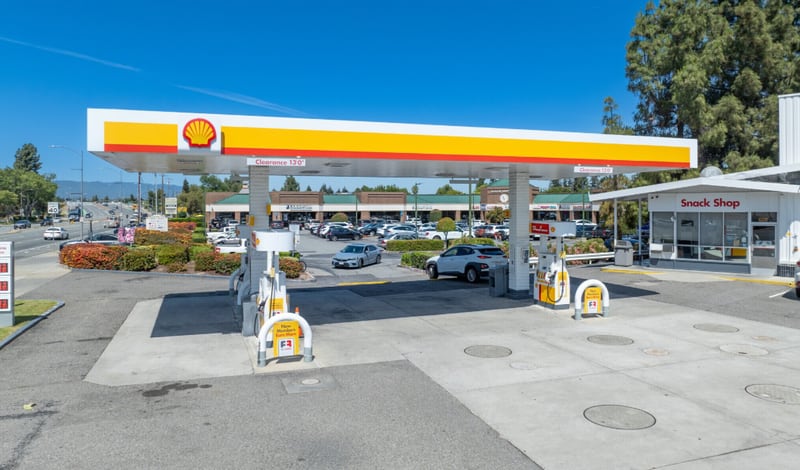
The gas station has stopped being a fuel business, and a 25-year loan on one should be underwritten against the corner, the entitlement, the tanks and the store rather than the gallons.
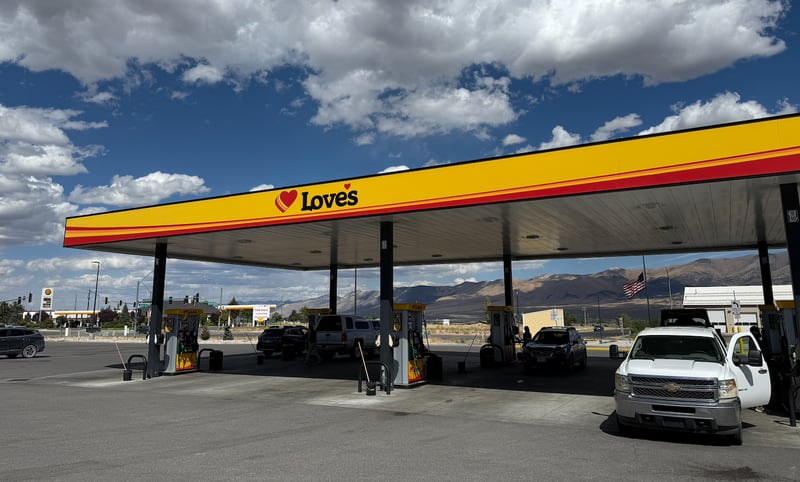
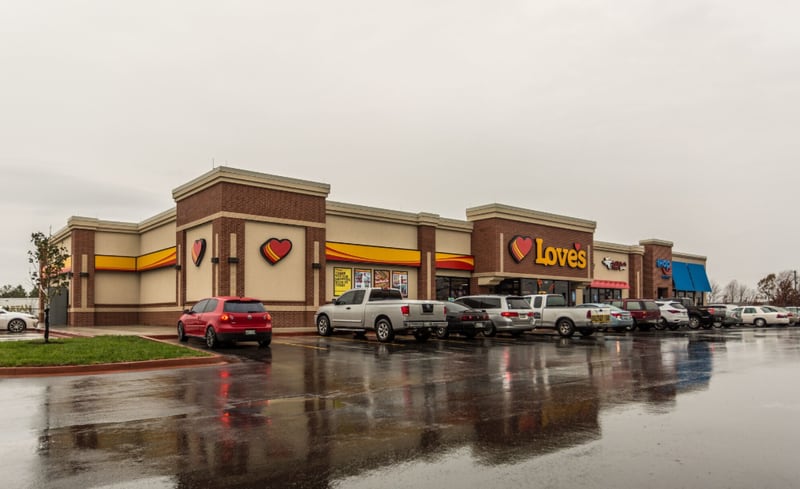
Pilot and Love's run opposite ownership, food, maintenance and growth models yet compound on the same logic: fuel is priced to win the stop and profit is earned on everything that happens after the truck is parked, and a project financed against them should be modeled the same way.
A new-construction exurban fuel-and-convenience center clears credit over a 25-year SBA horizon, because the demand cliff has been deferred, the store rather than the fuel island is the business, and an exurban interchange site is the insulated profile.
The tobacco line on a fueling-station c-store study must be modeled as four sub-categories with a state regulatory overlay, at a nine percent cigarette decline rather than five, or it is not a bankable study.
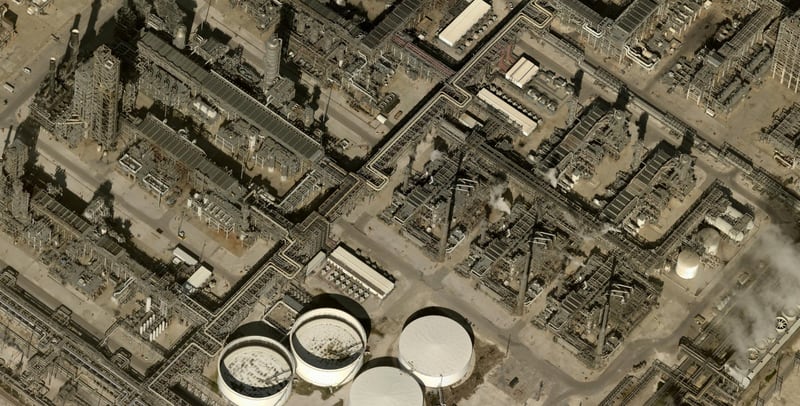
The bottleneck in U.S. oil has moved from the wellhead to the refineries, pipelines and export docks, and the system built to import crude is still adapting to a country that is now the world's largest producer and a growing exporter.
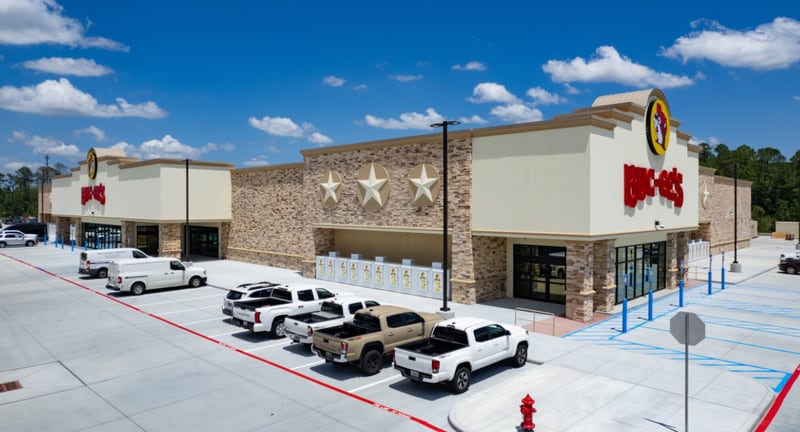
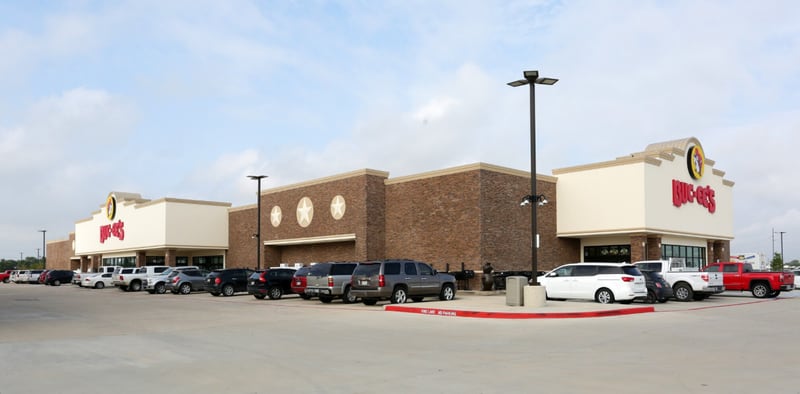
Buc-ee's has inverted the convenience store model, and the numbers show it works: with just 54 locations, the chain generates an estimated $50 to 100 million per store annually, roughly 10 to 20 times the industry average, by pricing fuel 10 to 30 cents per gallon below surrounding stations to pull traffic into 74,000-square-foot stores where roughly two-thirds of revenue comes from inside sales.
The Strait of Hormuz closure has turned the 2026 fuel outlook into a supply shock with no modern precedent, and U.S. pump prices have further to rise while gas station margins compress, with independents most exposed.
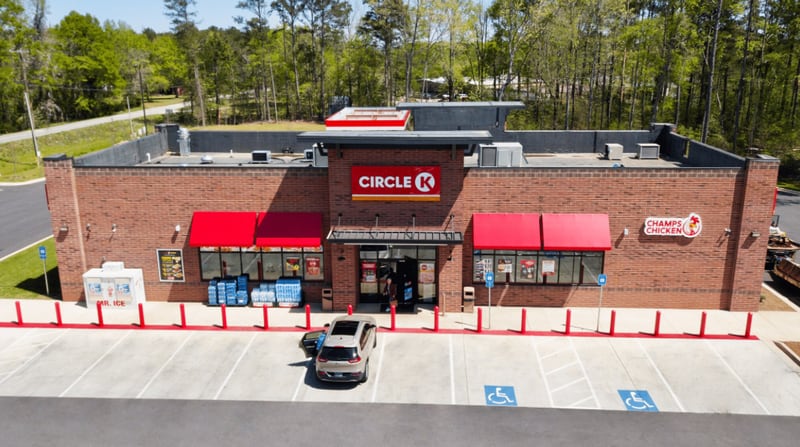
Circle K holds its place as the nation's second-largest convenience store operator on three things: a fuel-centric format, Couche-Tard's cost discipline, and an acquisition appetite that keeps adding stores.
A full-service travel plaza is a volume business with thin fuel margins, and it pencils only when a well-sited property converts fuel traffic into store, food, parking and service sales.
Fuel prices ease modestly in 2026 across most of the country and gas station margins should hold or improve slightly, while California moves the other way as refinery closures tighten its supply.
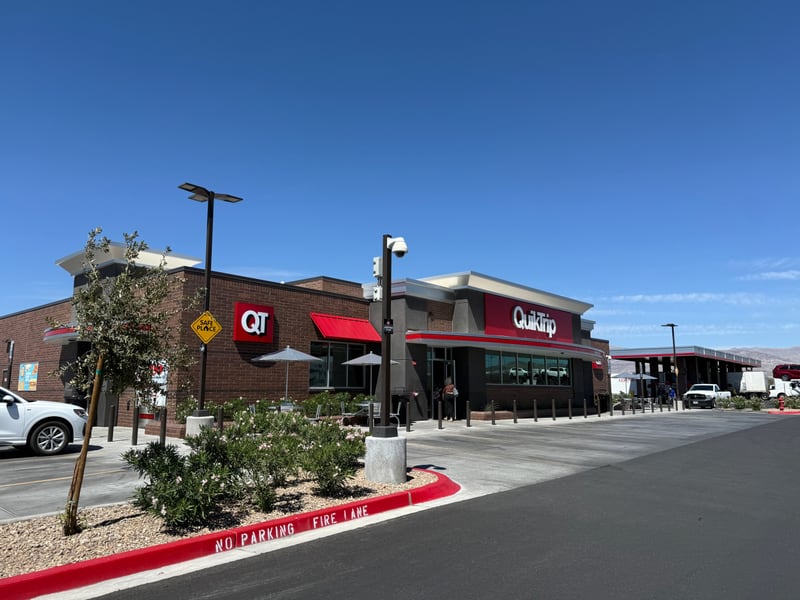
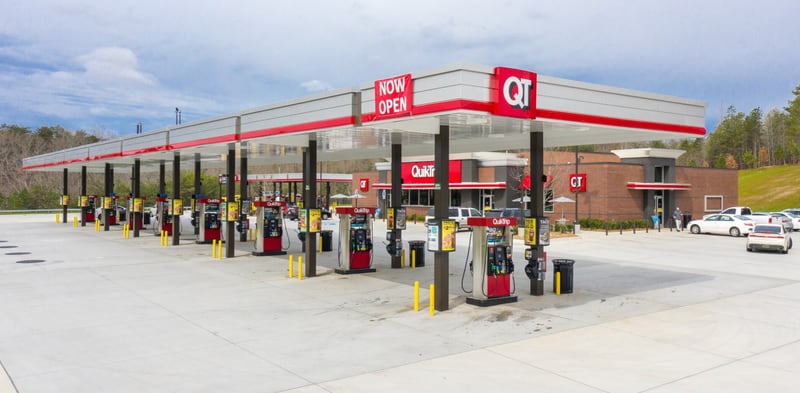
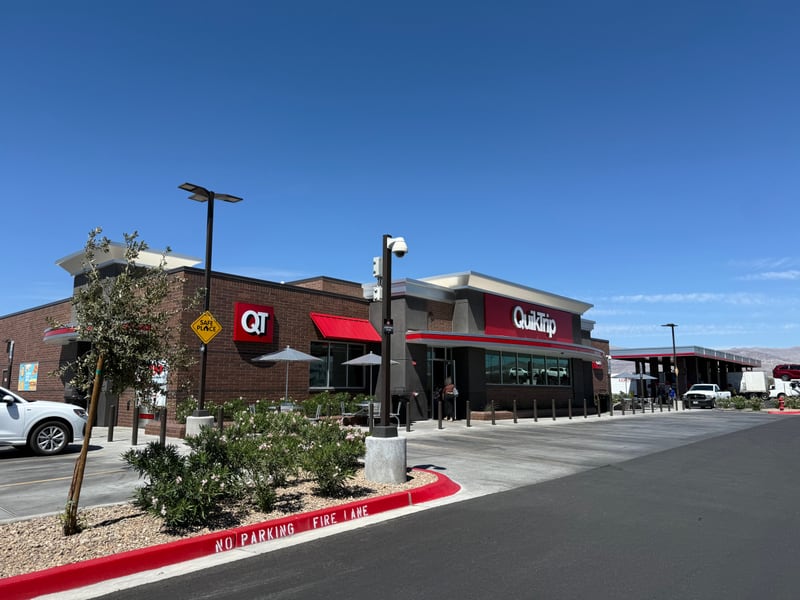
QuikTrip earns its position through fewer, larger, company-owned stores and a made-to-order food program, producing per-unit sales among the highest in the industry rather than relying on geographic reach.
A new gas station and convenience store is underwritten on its site and its in-store margin, not on fuel: in 2023 the average convenience store took about 67.3% of revenue from fuel but only 38.6% of gross profit, while in-store sales at 32.7% of revenue produced 61.4% of gross profit.
U.S. gasoline demand is cyclical in the short run and structurally flat or declining in the long run, so conventional fuel sales at gas stations have limited growth potential.
A new gas station costs anywhere from around $3.85 million to well over $10 million, and the budget for the example BP project in this article, 8 fueling stalls and a 3,024 sq.