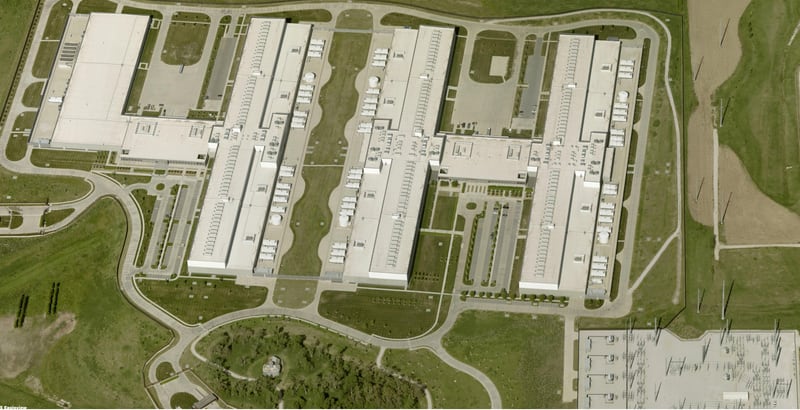
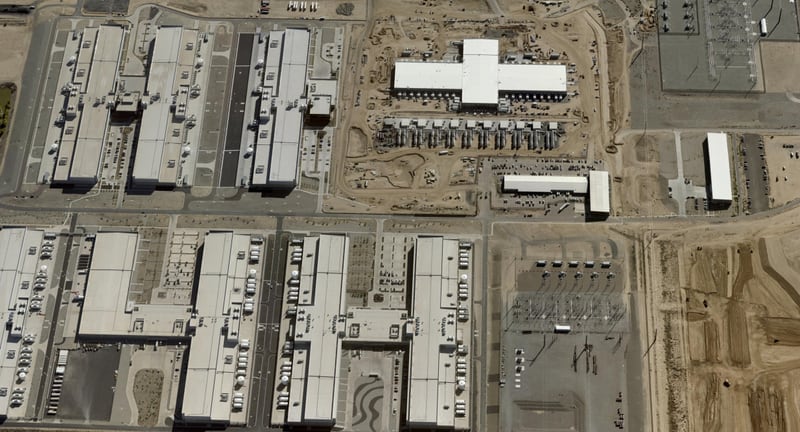
USDA's rural programs cannot finance the data centers now arriving in small counties: the B&I guarantee is capped near twenty-five million dollars while a modern AI campus costs several hundred million to several billion dollars, at nine to fifteen million dollars per megawatt of critical load, and no data center financed through B&I, REAP or the rural electric program appears in the public record. The jobs case fails on arithmetic too: Food and Water Watch found each permanent job at Virginia data centers built over the prior five years represented roughly fifty-four million dollars of investment, and a typical large data center runs on about fifty full-time workers.
The binding constraint on U.S. data centers has moved from demand to deliverability: MMCG's census of 1,784 properties counts 16.7 gigawatts of standing reported capacity against a 32.8 gigawatt pipeline, a ratio of 196 percent, and we would underwrite to a base case in which only one quarter to one third of those pipeline megawatts convert to operating stock on or near schedule through 2028.
Electricity, not capital, is now the binding constraint on AWS's expansion, and whether demand will justify $200 billion of 2026 capital expenditure against approximately $142 billion in annualized AWS revenue remains unanswered.
Meta is building physical infrastructure at a scale previously reserved for national governments, funded by a cash engine that is real but with a gap between current returns and projected spending that is widening rather than narrowing, and with electricity rather than money as the binding constraint.
Frontier AI campuses get permitted in roughly 12 to 18 months when a state pre-clears the site, preempts local zoning and the sponsor builds its own power; they stall where county boards and residents keep a vote.
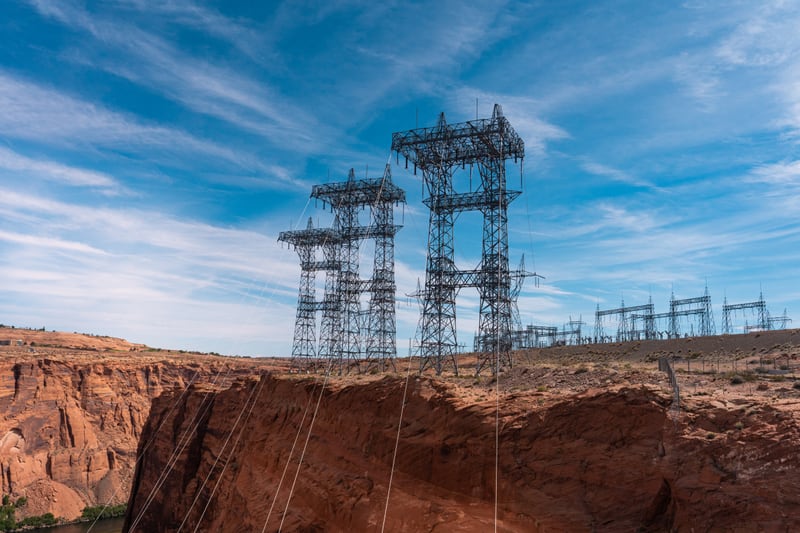
Hyperscale data center development is a high-risk, high-reward proposition in which the decisive risk is power: a campus takes two to three years to build while regional grid upgrades can take eight years or more, so a finished facility can sit partly idle waiting for its megawatts, and lenders should vet power agreements first, build in time and budget for delays, know the jurisdiction and structure debt conservatively. Data centers could account for up to 60% of all new U.S. power load growth through 2030, and their share of national electricity use could triple from roughly 4% in 2023 to as much as 12% within the decade.
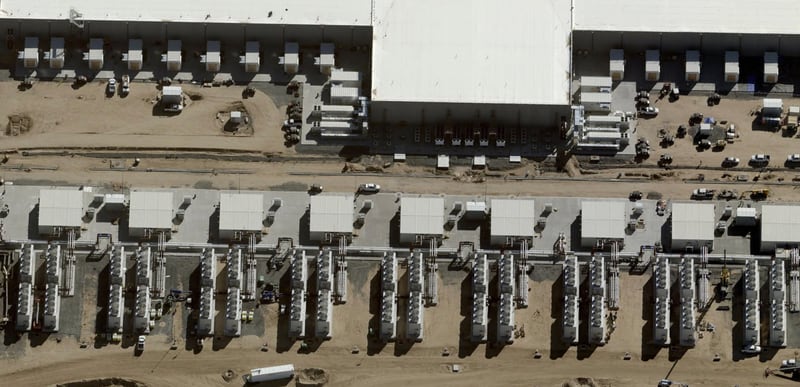
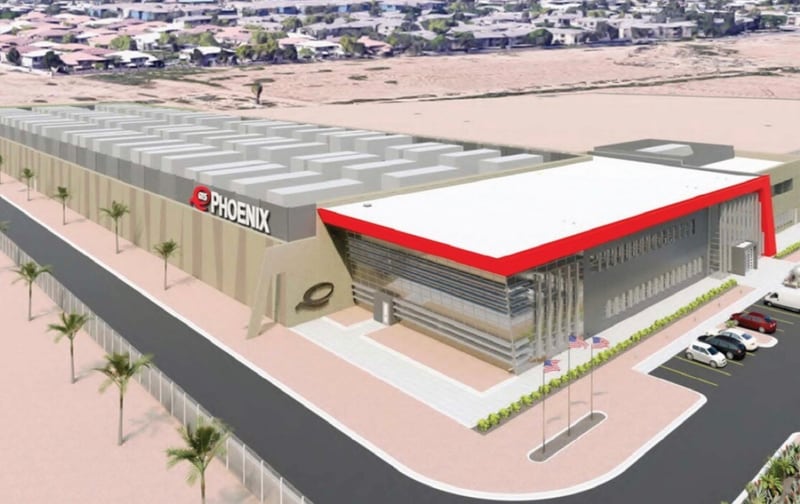
QTS Phoenix DC1 is a bankable, fully stabilized data center: 100% occupied, generating about $44.6 million in annual NOI on roughly $83.8 million of effective gross income, with a 1.25× DSCR on a $500 million interest-only loan at 60.2% LTV.