USDA rural lending is at once the largest and the most stressed it has ever been, and loan-level transparency is what turned that stress into enforcement.
USDA enumerates exactly 37 factors a feasibility study must consider, and a study that skips a component or omits its determinations fails Appendix A on its face.
FIELDS will not build a fertilizer plant, it will tip one that is already close to financeable, and the feasibility study is the document that serves both the grant and the debt.
Assisted living and memory care fail for financial reasons rather than demographic ones, so the binding test is whether the lease-up clears debt service under the chosen capital structure.
Economic impact analysis under 7 CFR 5001.118(b) now decides which rural B&I files fund, and applying state-aggregate multipliers to a rural county is the dominant analytical failure.
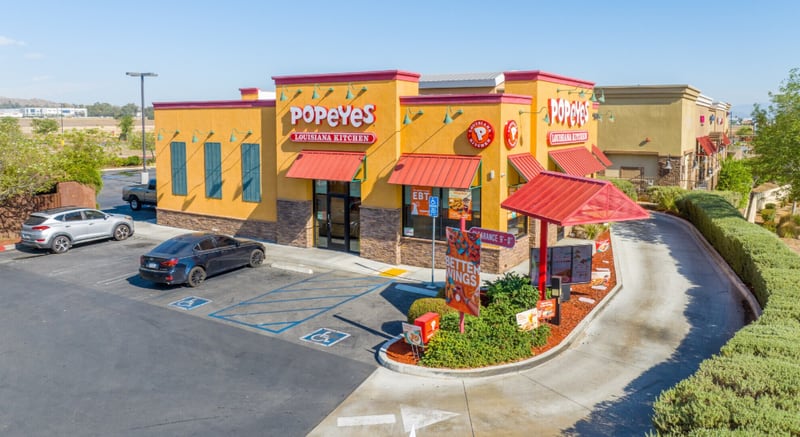
Fast-food chicken has become the strongest unit-economics story in quick service, and the gap between the leaders and the legacy brands now decides what rent a site can carry.
The B&I guarantee makes rural commercial real estate financeable by taking most of the loss risk off the lender, and the feasibility study is what carries a new project through underwriting.