Summary
Demand for assisted living will outrun new supply through 2030, pushing occupancy and rents higher while labor costs cap the margin gain. The 80+ population will grow by over 4 million between 2025 and 2030 to about 18.8 million, yet NIC research puts likely deliveries at only about 190,000 new units against the ~560,000 needed by 2030, a gap of roughly 370,000 units.
Occupancy has risen for 16 consecutive quarters to approximately 88.1% in Q2 2025, and the average asking rent passed $5,600 per month with year-on-year growth of about 4%. Staff wages and benefits take 40.8% of revenue, leaving an operating margin of around 14% to 15%.
Written for Senior housing developers planning new communities, Lenders and CDCs underwriting assisted living loans, Investors and operators sizing regional demand. 43 minute read.
Key figures
- Additional senior housing units needed by 2030 to maintain today's availability per capita
- ~560,000 units
- NIC (National Investment Center) researchBy 2030
- New units likely to be delivered by 2030 at the current rate of construction
- about 190,000 units
- NIC (National Investment Center) researchBy 2030
- Additional senior housing units needed to serve growth of the 80+ population
- 806,000 units
- NIC MAP projections (Table 1)By 2030
- Senior housing occupancy, primary markets
- approximately 88.1%
- NIC dataQ2 2025
- U.S. population age 80+
- about 18.8 million
- IBISWorld, NIC, U.S. Census (Table 2 sources)2030
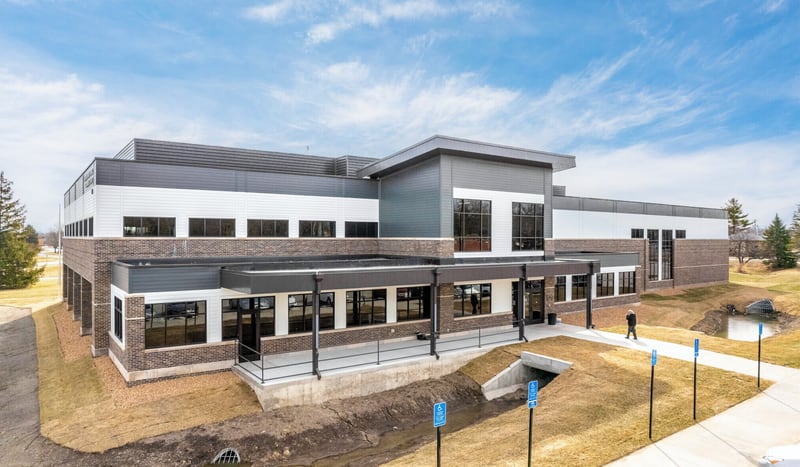
Modern U.S. nursing home facility with two-story design and landscaped surroundings, reflecting contemporary senior living architecture.
Introduction
The U.S. senior housing and assisted living sector is entering a pivotal growth phase driven by powerful demographic forces . As the baby boomer generation ages into retirement and longevity increases, demand for assisted living facilities is set to surge through 2030. This long-form analysis examines the key trends shaping the industry’s trajectory – from demographic drivers and forecasted unit demand to occupancy, profitability, consumer preferences, regional hotspots, and investment considerations. The goal is to provide lenders, developers, and investors with a strategic overview of where the senior housing market is headed in 2025 and beyond, and how stakeholders can capitalize on the opportunities while managing risks. The report draws on industry research (notably the MMCG/IBISWorld database) and public data to present a comprehensive picture of the assisted living market’s outlook.
1. Demographic Drivers Expanding the Market
America’s population is rapidly aging, creating a larger addressable market for assisted living communities. The baby boomer cohort (born 1946 to 1964) is now entering or well into retirement age, swelling the ranks of seniors who may require housing with supportive services. The number of U.S. adults aged 65 and older has been rising steadily and reached about 61 million in 2024. This represents roughly 18% of the population, up from just 12% two decades ago, and the share will approach 20% by 2030 as the last boomers cross 65. In effect, 1 in 5 Americans will be seniors by 2030 , a seismic shift in age demographics. This ongoing growth of the older population directly supports rising demand for retirement communities and assisted living facilities .
Several demographic trends underlie this expansion of the market:
Aging Boomers and Greater Longevity: The leading edge of the baby boomers are now in their late 70s, and in 2025 the first boomers turn 80 – an age at which many begin to consider assisted living. Rising life expectancies mean not only are there more seniors, but they are living longer into advanced ages that often require care. An expanding cohort of seniors in their 80s and 90s will substantially boost demand for assisted living services. Longer lifespans also imply residents may have later and longer stays in senior housing. Many adults are remaining healthy and independent into their late 60s and 70s, delaying retirement and entry into senior housing. Indeed, adults over 65 are increasingly working longer (often extending careers by a decade or more) , which enables them to accumulate more savings before retirement. This delayed retirement trend – projected to continue for another twenty years – means boomers will enter assisted living at slightly older ages with greater financial resources, potentially affording higher-quality retirement lifestyles when they do move in. Overall, high longevity and the sheer size of the boomer generation are creating a massive wave of potential residents in the late 2020s.
Supportive Cohort Demographics: Following the boomers, smaller Generation X will start reaching traditional retirement age in the 2030s, but that is still a decade away. For now, demographic momentum is firmly on the side of senior housing demand. The U.S. population age 80+ (the age group most likely to need assisted living) will grow by over 4 million between 2025 and 2030 , reaching about 18.8 million people in their 80s by decade’s end. This 80+ surge represents a ~27% increase in just five years – an unprecedented acceleration of the “oldest old” population that will reshape the senior living landscape . In many parts of the country, seniors already outnumber children; as of 2024, 11 states (including Delaware, Montana, Oregon, Pennsylvania, West Virginia and others) now have more residents over 65 than under 18. Such statistics underscore how profoundly the age structure is shifting and signal robust future demand for housing and care geared toward older adults.
Expanded Funding and Social Support: Demographic growth is also intersecting with policy efforts that can facilitate seniors’ access to care. For example, expansion of Medicaid programs in some states in recent years has increased eligibility for assisted living coverage, enabling more lower-income seniors to afford community living. Government and private initiatives (from Medicare Advantage plans to long-term care insurance products) are evolving to support aging-in-place and transitions to assisted living. These programs help bridge financial gaps and ensure a broader segment of the growing senior population has options for safe, supported housing. In short, the demographic wave is being met with greater awareness and resources devoted to senior living – though gaps remain, as discussed later.
Bottom line: The aging baby boomers and rising longevity are dramatically expanding the potential customer base for assisted living. As more adults live into their 80s and beyond, the need for supportive housing and healthcare services will increase correspondingly. This demographic shift sets the stage for industry growth, as retirement communities adapt to meet the housing and care requirements of an older population. The convergence of a larger senior population, longer lives, and delayed retirements means demand is not only growing in volume but also evolving in nature (with older entrants requiring higher levels of care). Assisted living providers and investors are positioning for this long-term upswing in demand driven by demographics .
2. Forecasted Demand and Capacity Needs through 2030
Forecasts uniformly point to a significant shortfall in senior housing capacity in the coming years unless development accelerates. The demographic drivers outlined above translate into hard numbers that illustrate the looming demand surge. Industry analysts project that the U.S. will need hundreds of thousands of new assisted living and senior housing units by 2030 to adequately serve the aging population. However, current construction pipelines fall far short of that requirement, foreshadowing an imbalance between supply and demand.
Projected Unit Demand: According to NIC (National Investment Center) research, maintaining today’s senior housing availability per capita will require an additional ~560,000 units by 2030 beyond what existed in the early 2020s. By contrast, at the current slow rate of construction, only about 190,000 new units are likely to be delivered by 2030. This implies a gap of roughly 370,000 units – meaning the industry would need to build roughly twice as many units each year as it ever has in the past, just to keep pace with demand growth. In a scenario looking specifically at the 80+ age cohort, the figures are even starker: one analysis finds that 806,000 additional senior housing units will be needed by 2030 (and ~550,000 by 2028) to serve the growth of the 80+ population, assuming current senior housing utilization rates. Table 1 summarizes one set of projections for cumulative new unit demand :
Year
Cumulative New Senior Housing Units Needed ( to meet demand )
2025
~156,000 units
2028
~549,000 units
2030
~806,000 units
Table 1: Forecasted additional senior housing units required by 2025 to 2030 (cumulative). Projections by NIC MAP based on maintaining current senior housing penetration rates among aging cohorts.
Even using more conservative assumptions, the consensus is that 500k+ new units are needed by 2030 to satisfy the demographic wave. This level of development (roughly 60,000 to 80,000 units per year over the rest of the decade) is 3 to 4 times the current annual build rate , highlighting a major growth opportunity for developers. Should supply growth remain sluggish, the likely outcome is rising occupancy (discussed in the next section) and many seniors left without access to appropriate housing – a scenario some have termed a potential “senior housing shortage” .
Several factors are contributing to this robust demand outlook:
Growth Rate of Target Demographics: The population of seniors most likely to need assisted living is expanding much faster than the general population. While overall U.S. population growth is below 1% annually, the 75+ population is growing ~3% annually, and the 80+ population nearly 5% annually through 2030. By the end of this decade, all surviving baby boomers will be over 65, and the largest boomers will push the 80+ cohort to new heights. Simply put, demand (in terms of people needing senior housing) is on a steep upward trajectory , projected at a compound annual growth rate (CAGR) well above 3% for the remainder of the decade. In contrast, the supply of new facilities has been growing at barely 1 to 2% annually in recent years. The industry’s own data shows revenue grew only about 1.7% annually from 2015 to 2020 (a period including pandemic disruptions) but is expected to accelerate to ~3.4% annual growth from 2025 to 2030 as the demographic tailwinds strengthen. Likewise, the number of industry establishments (assisted living communities) is projected to rise ~2.6% annually in 2025 to 2030 – faster than before, yet still below the growth rate of the senior population , indicating latent demand will persist. The challenge will be translating population growth into proportional increases in supply.
Labor Force and Service Intensity Dynamics: Meeting the forecasted demand is not just about building facilities; it also requires staffing and servicing them at higher levels of care . Assisted living communities are facing a more care-intensive resident population as people move in later in life with multiple chronic conditions or memory impairments. The average resident in 2030 is expected to require more assistance than a resident today, raising the service intensity (care hours per resident). This trend is already evident – many assisted living providers report that new residents often have greater healthcare needs and require nearly as much care as nursing home residents did in the past. Industry analysis confirms that chronic conditions and higher acuity levels are straining resources , and without adjustments to pricing or staffing models, revenues struggle to keep pace with the growing care needs of residents. In response, some operators are adjusting admission criteria and lengthening the average length of stay (for example, allowing residents to age in place longer) to stabilize census and revenue per resident. That acuity mix is set long before move-in, which is why program right-sizing and the services mix decide the staffing cost a community carries for the life of the asset.
On the labor side, the caregiver workforce will need to expand significantly to serve new development. Current industry employment is around 1.0 million workers and is forecast to grow about 2.9% annually through 2030 – implying roughly 150,000+ net new employees will be required. However, workforce growth may lag demand growth, given the nationwide caregiver shortage. Low unemployment and competition for nursing and aide staff have already made hiring difficult. Labor shortages have, in some instances, forced facilities to cap admissions or even temporarily reduce occupancy due to insufficient staffing . This is a critical constraint: even if physical capacity is added, without adequate staffing the effective supply of senior housing is limited. Thus, the labor shortage and rising wage costs (discussed further below) act as a brake on expansion , and they factor into the tempered supply growth forecasts. Overcoming this will likely require higher wages, immigration of healthcare workers, and productivity gains through technology.
Pent-up Demand Postponed by Pandemic: It’s worth noting that the COVID-19 pandemic (2020 to 2021) initially caused a dip in occupancy and new demand as families delayed moves to communal settings. Some of that demand was deferred rather than eliminated. As pandemic fears receded, move-ins accelerated – indeed, the past few years saw record absorption of senior housing units as those delayed moves materialized. Looking ahead, there is a sense of catch-up growth : not only are there more seniors each year, but many who deferred a move during the pandemic may now be seeking options. This bolus of pent-up demand is contributing to the very high occupancy gains observed through 2024 to 2025 and is expected to keep pressure on supply. In effect, the industry faces a surge on top of a surge – the natural demographic increase plus the release of previously pent-up demand – which underscores the need for accelerated development.
In summary, demand for assisted living is forecast to outstrip new supply by a wide margin through 2030 , unless construction dramatically picks up. The estimates vary, but even the most conservative scenarios anticipate a need for at least half a million new units this decade to accommodate the aging population. The combination of rapid growth in the 80+ cohort, increasing care needs per resident, and a lagging construction pipeline creates both an urgent challenge and an opportunity. For developers and investors, the clear implication is a favorable demand environment – a large and growing market to serve. However, capturing this demand will require navigating constraints like labor availability and construction financing (addressed later in this report). Table 2 provides a snapshot of industry growth metrics and forecasts:
Industry Metric
2024 (est.)
2025 to 2030 CAGR
Annual Revenue (industry)
~$96.8 billion
+3.4% per year
Number of Establishments
~19,500 communities
+2.6% per year (forecast)
Employment (staff headcount)
~1.0 million workers
+2.9% per year (forecast)
Profit Pool (EBIT, all firms)
~$14.4 billion
+2.2% per year (est. historic)
Population 80+ (for context)
~14.8 million (2025)
+5% per year (to ~18.8M in 2030)
Table 2: Key industry growth metrics and forecasts. (Sources: IBISWorld, NIC, U.S. Census.) Note the significantly higher growth rate of the target elderly population relative to the industry’s projected supply growth.
The gap evident above between population growth and industry capacity growth is the central strategic issue for senior housing in this decade. It will manifest in rising occupancy rates and pricing power , but also in pressure on operators and policymakers to expand access. In the next section, we examine how occupancy and profitability trends are evolving in light of these dynamics.
3. Occupancy and Profitability Trends
Occupancy Rebound and Outlook: Occupancy rates in senior housing have been on a strong upswing, recovering from pandemic-era lows and now pushing toward historical highs. In the fourth quarter of 2020, industry occupancy plunged into the high 70-percent range due to COVID-19 impacts. Since 2021, however, occupancy has improved for 16 consecutive quarters , reaching approximately 88.1% in Q2 2025 on average in primary markets. This is up from ~85% in 2022 and marks a return to, and even slight surpassing of, pre-pandemic occupancy levels. Net absorption (the rate at which units are being filled) has regularly exceeded new inventory additions, a trend that has steadily lifted occupancy each quarter. In fact, 11 of the past 16 quarters saw record-high absorption volumes – clear evidence of robust consumer demand outpacing supply . With demand drivers strengthening (as detailed earlier), occupancies are projected to keep rising . Industry analysts expect average occupancy to approach the 90% range by 2026 , which would be the highest in over a decade and well above the 85% long-term average. Many operators report waitlists forming in high-demand markets, and any new supply is being quickly absorbed. For investors, higher occupancy translates to improved top-line revenue (more residents paying rent) and better fixed-cost coverage, supporting stronger margins.
It’s important to note that occupancy gains have been broad-based , occurring across most regions and facility types, from independent living to assisted living and memory care. The pent-up demand post-COVID, combined with the aging trend, has meant that even with very limited new construction, the existing communities are filling up. According to NIC data, by mid-2025 absorption was exceeding inventory growth by such a margin that occupancy rose 80 basis points in a single quarter (Q2 2025) – an unusually large jump. Going forward, occupancy is expected to remain elevated because new supply is coming online very slowly (construction has been at multiyear lows). This dynamic puts the industry in a landlord’s market, a stark change from the oversupply concerns of the late 2010s. Many markets that had a glut of vacancies pre-pandemic have now tightened considerably. For example, NIC reported that as of mid-2025, there were multiple major metro areas with zero properties under construction , and only a handful of markets with more than a few projects underway – indicating that occupancy will continue to climb in those areas as no new beds are being added. In short, high occupancy is boosting the profitability of existing communities and will likely continue to do so in the near term.
Profitability and Margin Trends: Assisted living providers operate on a relatively thin margin structure, but recent trends show improving profitability aided by higher occupancy and rent growth, tempered by rising costs (especially labor). Industry-wide, the average operating profit margin (earnings before interest and taxes) is around 14%–15% of revenue . This is a moderate margin, slightly above the broader healthcare & social assistance sector average of ~11%. During the pandemic, margins were squeezed as expenses (e.g. staffing, PPE, cleaning) jumped and occupancies fell; many operators saw profits dip or even turned to losses in 2020. However, the margin has recovered alongside occupancy. By 2024, the industry profit pool was estimated at $14.4 billion on $96.8 billion in revenue (15% margin) , up a bit from earlier years. Moreover, rent growth has contributed: average monthly rents have been climbing ~3 to 5% annually recently, which combined with fuller buildings, significantly boosts revenue per available unit. In mid-2025, the average asking rent for seniors housing hit a record high (over $5,600 per month) with year-on-year rent growth of ~4%, outpacing general inflation. This pricing power, enabled by strong demand, positions senior housing as potentially one of the more profitable real estate asset classes looking ahead.
Yet, countervailing cost pressures are notable – chief among them, labor. Care staff wages and benefits constitute the largest expense for assisted living operators by far. Labor expenses account for roughly 40 to 41% of industry revenues on average (see Table 3), making senior housing a very staff-intensive business model. In recent years, these labor costs have been rising faster than revenues, compressing margins despite occupancy gains. A national caregiver shortage, exacerbated by pandemic burnout and competition from other healthcare employers, has forced providers to significantly raise wages, offer bonuses (“combat pay”), and improve benefits to attract and retain staff . From 2020 to 2025, industry wages grew about 1.8% annually; that growth rate is forecast to accelerate to ~3.0% annually from 2025 to 2030 . In practice many communities have given frontline caregivers raises well above those averages in the last year or two. Operators have also incurred higher overtime and agency staffing costs – outsourcing labor via temp agencies to plug staffing gaps, which comes at a premium cost. These factors put downward pressure on profit margins even as revenues improve. IBISWorld notes that rising wages (driven by worker shortages and regulatory staffing mandates) are directly “pressuring profitability” , forcing facilities to spend more on payroll and sometimes limiting funds for other needs or expansion . In some cases, smaller or financially weaker facilities have had to limit admissions or even close units due to inability to staff shifts , showing how labor challenges impact the bottom line and capacity.
Cost Structure Benchmarks: Table 3 below breaks down the cost structure for retirement/assisted living communities, illustrating the major cost components as a share of revenue:
Cost or Expense Category
Industry Average (% of Revenue)
Staff Wages & Benefits
40.8%
Other Operating Costs (incl. food, supplies, admin)
28.8%
Depreciation (capital assets)
6.6%
Rent (if leasing real estate)
2.6%
Utilities
1.8%
Marketing
0.8%
Operating Profit Margin (EBIT)
~14.9%
Table 3: Simplified cost structure for U.S. retirement communities/assisted living (as % of revenue). Labor is by far the largest expense, around 41%. After covering all costs, operators net roughly a 15% operating profit on average.
As shown above, labor costs dominate the P&L , and thus the recent wage inflation has had a substantial impact. For example, a 5% increase in wage rates effectively adds ~2 percentage points to total expenses (5% of 40%), which can erode a 15% margin down to 13% if not offset by revenue increases. Providers are adapting in several ways to protect margins:
Efficiency and Scale: Many operators are seeking economies of scale through growth or consolidation (mergers, acquisitions, affiliations) so that overhead costs can be spread and labor resources pooled. Larger organizations can centralize some services, use staff more flexibly across multiple sites, and negotiate better rates for insurance and supplies. Scale also helps in technology investments that improve efficiency (for instance, software for care coordination or labor management). The industry trend toward consolidation (explored later) is partially driven by this need to reduce unit costs and cope with wage pressures.
Selective Pricing and Service Adjustments: Assisted living providers have been raising monthly fees and charging for additional care services to offset higher costs. Whereas annual rent increases of ~2-3% were common pre-2020, many communities implemented larger increases (5%+ in some cases) in 2022 and 2023 to catch up with inflation. Also, tiered care pricing has become more granular – residents with higher acuity or extra services (e.g. insulin shots, memory care supervision) are billed accordingly. While there are limits to raising prices (affordability is a concern for families), the strong demand environment has given operators some pricing power to help cover rising expenses .
Staff Retention and Training: Turnover in caregiving staff is very costly (leading to overtime or agency temp usage). As a result, facilities are investing more in employee satisfaction and retention programs – for example, offering career advancement pathways, training, better work environments, and recognition – on the premise that retaining staff lowers overall labor cost in the long run. By reducing turnover, providers can cut recruitment and temp agency expenses. Many have increased base pay and added bonuses to stabilize their workforce. While this raises costs in the short term, it may yield steadier operations and better care (which also ties into marketability).
Tech and Productivity Improvements: To counteract labor shortages, some communities are adopting labor-saving technologies . Electronic health record systems, medication management tech, and sensor-based monitoring can save staff time. Even modest measures like better scheduling software to minimize overtime, or using telehealth for certain medical consults (reducing time staff spend on transport or appointments) contribute to efficiency. In the future, robotics or AI assistance might help with routine tasks. The industry anticipates a degree of “reshaping through technology integration” – virtual reality therapy, telehealth check-ins, and wearable health monitors are examples – which can augment staff and improve care without one-to-one labor increases. While these innovations won’t replace human caregivers, they help each staff member manage more residents effectively, mitigating the labor constraint.
In summary, profitability in senior housing is improving on the back of rising occupancy and rents, but margin management remains critical as cost pressures (especially wages) escalate. The average operator today is in a better financial position than in 2020 to 2021, with many now back to healthy cash flows. However, margin expansion is modest because extra revenue is largely absorbed by higher expenses (labor, insurance, food, etc.). The successful providers are those who can drive occupancy, command reasonable rate increases, and control costs through efficiency and scale. Notably, real estate ownership structure also plays a role – those that lease their properties (paying rent to a REIT or landlord) have an added fixed cost (~2 to 3% of revenue industry-wide goes to rent), whereas owner-operators avoid that but bear more capital costs. Either way, keeping properties full is the surest path to profitability, which is why current occupancy trends are a boon for the industry. If occupancy hits 90%+ as expected, many communities will enjoy strong cash flows even with higher wages. As one NIC report put it, the combination of historic high demand, constrained new supply, and steady rent growth is positioning senior housing to be “one of the most profitable real estate asset classes” in the near future – provided operators skillfully navigate the accompanying challenges. A comprehensive senior housing development analysis is essential to quantify these occupancy and revenue dynamics at the local level. A single property makes the arithmetic concrete: the Summer Vista assisted living community in Pensacola cut its operating expense ratio as occupancy stabilized, with payroll still the largest line by a wide margin.
4. Evolving Consumer Preferences and Service Offerings
Today’s seniors – and their adult children who often help choose a community – have higher expectations for assisted living offerings than prior generations. The market is shifting from a primary focus on basic care and safety to a more hospitality- and lifestyle-oriented model that integrates healthcare. Communities are differentiating themselves through amenities, programming, and design that cater to modern seniors’ preferences. Some of the key evolving consumer expectations include:
Technology-Enabled Living: Tech integration has become a major selling point. Connectivity and smart living features are increasingly standard. Residents (and their families) expect reliable campus-wide Wi-Fi, telehealth services for remote doctor visits, and safety tech like wearable fall detectors or in-room sensors. Many communities now offer easy video calling options so seniors can communicate with family virtually, and some partner with tech firms to provide cognitive stimulation and entertainment (for example, game platforms or virtual reality experiences tailored to seniors). These “tailored gaming” and engagement platforms not only enrich mental wellness but can open new revenue streams (some communities charge extra for specialized tech-based programs). Additionally, smart home adaptations – voice-activated assistants, smart lighting, thermostat controls, etc. – are being installed to enhance convenience and safety for residents. Tomorrow’s retirees are more tech-savvy and will gravitate toward communities that can accommodate their digital lifestyles. Businesses investing in cutting-edge communications and monitoring technology are finding it a crucial differentiator to attract the next generation of tech-comfortable retirees.
Specialized Memory Care Services: With the aging population, memory-related conditions like Alzheimer’s and dementia are more common , and many families specifically seek out communities that can provide memory care. In response, providers are expanding dedicated memory care units or wings with secured environments and specialized staff. The demand for Alzheimer’s care programs is expected to rise sharply as the baby boomers reach their 80s (the high-risk age for dementia). Larger organizations have an edge here – they have the resources to implement the latest cognitive therapies, secure courtyard designs, and tailored activity programming for memory care residents. These services often come at a premium price, but affluent private-pay families are willing to pay for quality memory care. Smaller assisted living operators, to remain competitive, are forging partnerships or referral networks to ensure they can offer memory care solutions (even if via an affiliate or specialized staff consultants). Overall, memory care has shifted from a niche offering to a core component of many retirement communities, reflecting consumer expectations for full spectrum care. A community’s reputation in memory care can significantly influence occupancy, given the emotional and safety priorities families have for relatives with cognitive impairment.
Holistic Wellness and Lifestyle Programs: Modern seniors increasingly value a holistic approach to wellness – encompassing physical fitness, mental stimulation, social connection, and spiritual or emotional health. In practice, this means today’s assisted living communities are expected to provide far more than meals and help with bathing. Comprehensive wellness programs are becoming the norm. Facilities are investing in on-site fitness centers with senior-friendly exercise equipment, offering group classes like yoga, balance training, or tai chi. Many have hired wellness directors to coordinate activities from walking clubs to meditation sessions. On the mental and social wellness side, communities are adding libraries, art studios, hobby workshops, and theaters for movies or performances. Educational opportunities and lifelong learning are also popular – for example, lecture series, computer classes, or partnerships with local colleges for continuing education. Residents now seek an enriched lifestyle with meaningful activities , not just a place to live. This has operating model implications: staffing now includes fitness instructors, activity coordinators, even technology tutors. The focus on holistic well-being extends to dining as well – nutritious farm-to-table menu options, accommodating various diets, and dining as a social experience. Communities that successfully create a vibrant, wellness-focused lifestyle are seeing stronger demand and longer lengths of stay, as they appeal to seniors’ desire to maintain quality of life and independence even as they age.
Community, Socialization, and Autonomy: Loneliness and isolation are major concerns for the elderly, so seniors and their families look for environments that offer a thriving community and social support system . Assisted living facilities are responding by fostering a sense of neighborhood and camaraderie . Design elements now include inviting common areas (lounges, game rooms, bistros) that encourage residents to mingle. Outdoor spaces like gardens, walking paths, and patios facilitate group activities and casual gatherings – especially in warmer climates. Many communities organize intergenerational events, inviting local youth groups or schools for visits, which residents greatly enjoy. There is also an emphasis on resident autonomy and choice – for example, flexible dining times, multiple activity options daily, and opportunities for residents to customize their experience (such as choosing their apartment decor or participating in resident councils to have a voice in community operations). The overall operating model is shifting to be hospitality-driven : customer service training for staff, concierge services, and responsiveness to resident feedback. This aligns with how senior living is marketed – not as a nursing home, but as an engaging community where seniors can live independently with support , pursue hobbies, make friends, and receive care when needed. Providers that excel in creating a positive, enriching community culture tend to enjoy strong word-of-mouth referrals, which in this industry is a key driver of occupancy (many communities spend relatively little on advertising because satisfied residents and their families spread the word – indeed, referrals keep marketing costs minimal in this sector).
In summary, assisted living consumers in 2025 expect a blend of care, convenience, and lifestyle . The bar has been raised in terms of accommodations (modern apartments, perhaps smaller but well-designed), amenities (from spas to dog parks in some upscale communities), and services (daily happy hours, outings, therapy programs, etc.). Communities are investing in specialized services and programs to cater to diverse interests and needs . This is a competitive necessity – as the industry grows, seniors and families will compare options and choose the one that best aligns with their desired lifestyle. For investors and developers, this means new projects should be built with flexible spaces (for fitness, art, technology lounges), robust IT infrastructure , and room to add memory care or higher acuity services. Existing facilities are undergoing renovations to add these features as well – those that don’t risk obsolescence. Importantly, the push for more services can squeeze smaller operators financially, since offering expansive programming and amenities is costly. We are therefore seeing smaller providers teaming up (or being acquired) to share resources or gain capital so they can meet these consumer expectations. In the end, the senior housing product is evolving to be more resident-centric and experience-driven , combining healthcare with hospitality in ways that were not commonplace a generation ago. Communities that adapt their design and operations to these evolving preferences are likely to capture a disproportionate share of the growing market.
5. Regional Growth Hotspots and Geographic Variations
The senior housing market’s growth is not uniform across the United States – certain states and regions stand out as current leaders or future hotspots based on demographics and industry activity. Investors and developers are keenly interested in where demand and opportunities are greatest . Key factors include the size and growth of the elderly population in an area, net migration of retirees, the existing supply of facilities, and state-level economic or regulatory conditions. Below we identify some of the top states and regions driving industry growth, along with implications for site suitability and investment targeting.
Sun Belt and Warmer Climates – Ongoing Magnets: States with warm climates and retiree-friendly lifestyles continue to be major growth markets for senior living . Florida and Arizona are prime examples. Florida has long been a retirement destination, and it boasts one of the largest 65+ populations both in absolute and percentage terms (over 21% of Floridians are seniors). The state accounts for about 6.7% of all U.S. retirement community revenue – roughly $6.5 billion annually – making it one of the top three markets by size. With nearly 2,000 establishments (6.8% of U.S. facilities), Florida offers abundant choice for retirees, yet demand remains high, particularly in areas like South Florida, the Gulf Coast, and expanding mid-sized cities like Orlando and Jacksonville. Florida’s growth is driven not only by local aging but by in-migration of retirees from colder northern states . The warm weather, lack of state income tax, and established senior communities (including many 55+ active adult enclaves feeding into assisted living) make Florida a perennial hotspot. Occupancy in Florida’s senior housing is above national averages, and development pipelines – while active – have not kept up with the swelling senior population. For developers, Florida presents opportunities in secondary markets that are seeing retiree influx but may be under-served relative to South Florida or Tampa which historically drew more development.
Arizona similarly is a retirement magnet, especially the Phoenix and Tucson areas. It has around 1,000 facilities (3.4% of U.S. total) but only ~2.4% of industry revenue , implying many smaller properties, possibly due to its mix of large communities and numerous small care homes. The Phoenix metro’s retiree population is rapidly growing, fed by both in-state aging and relocation from pricier West Coast states. Arizona’s dry climate and lower cost of living attract many seniors. We can expect above-average demand growth in Arizona , and indeed some of the highest occupancy rates pre-pandemic were in Phoenix-area assisted living. Neighboring Sun Belt states like Nevada , New Mexico , and the Carolinas also fall into this pattern of warm-weather appeal. The Carolinas and Georgia are noteworthy – while not traditionally top retirement states like FL or AZ, they are seeing robust growth in their senior populations and have relatively lower existing supply. For instance, North Carolina and South Carolina have become popular for retirees seeking mild climates and affordable living; both states have higher net migration of 65+ individuals. North Carolina already represents ~3.3% of U.S. industry revenue (with notable markets in Charlotte and Raleigh), and is poised for further growth. In sum, the Sun Belt region – stretching from the Southeast through Texas to the Southwest – will capture a large share of new assisted living demand in coming years. Site selection in this region should consider metro areas with high retiree in-migration (e.g., around coastal South Carolina, inland North Carolina, east Texas, etc.) which may be underbuilt relative to Florida or Arizona.
Large Population States – California and Texas: California is the single largest state market by sheer size of population . It has by far the most retirement communities: about 4,625 establishments, roughly 16% of all U.S. facilities . This high figure partly reflects California’s regulatory environment, which includes many small licensed care homes (Residential Care Facilities for the Elderly, which often have 6 to 10 beds) alongside larger assisted living complexes. Despite having 16% of facilities, California generates only about 10.3% of industry revenue (~$10 billion annually), indicating many small operators and lower average revenue per facility. Nonetheless, California’s senior population (over 6 million 65+ and growing) ensures it will remain a critical market. Regions such as Southern California (Los Angeles, San Diego), the Bay Area, and increasingly the Central Valley are all seeing rising demand. High housing costs in California can be a double-edged sword: they make it expensive to develop new facilities (land and labor costs are high), but they also mean many seniors have substantial home equity to fund their transition into assisted living (when home prices are up, seniors can sell their houses and afford private-pay senior living more easily). For investors, California offers volume but also fragmentation – the market is so large and regulated that consolidation opportunities abound (many mom-and-pop care homes could be acquired and upgraded). Key areas for growth include the Inland Empire and Sacramento region , which have growing senior cohorts but relatively fewer facilities per capita than coastal cities.
Texas is another big state with a fast-growing elderly population. It currently accounts for ~5.1% of U.S. senior housing revenue (about $4.9 billion) with roughly 1,463 facilities. Texas’s 65+ population is projected to double over the next 20-25 years, fueled by aging and by inbound migration (though Texas is not as classic a retirement destination as Florida or Arizona, its overall population growth brings many more seniors as well). Markets like Dallas-Fort Worth, Houston, San Antonio, and Austin are all expanding. Notably, Texas has a tradition of larger senior living campuses and a strong presence of for-profit chains and REIT-owned properties. The state’s lower tax and business costs have attracted significant development historically. As of 2025, some Texas metros have a moderate oversupply, but the rapid growth of the senior cohort should equilibrate that in a few years. For site selection, suburban areas around major Texas cities (where land is available and populations are aging in place) may be promising. Also, secondary cities like McAllen, Corpus Christi, and Midland have aging populations with fewer existing facilities, presenting opportunity zones.
Midwest and Northeast – High Elderly Concentrations, Stable Demand: While the Sun Belt shines for growth, the Midwest and Northeastern states have high densities of elderly population as well, though their overall population growth is slower. States such as Pennsylvania , Ohio, Illinois , New York, New Jersey , Massachusetts and Michigan each have large senior populations owing to their size and the fact that many younger people have moved out, leaving a higher proportion of older residents. These states collectively host many established retirement communities, including non-profit continuing care retirement communities (CCRCs) and other large campuses.
Pennsylvania is a standout: it represents 7.7% of U.S. industry revenue despite only 3.4% of facilities . That indicates Pennsylvania’s communities are, on average, larger or generate higher revenue per site. Indeed, Pennsylvania (especially central PA and the Philadelphia suburbs) is known for large CCRCs and assisted living centers, often affiliated with health systems or religious organizations, which cater to the state’s older-than-average population. Pennsylvania has now joined Florida and others as a state with more seniors than children. For investors, Pennsylvania’s regulatory environment and relatively high Medicaid reimbursement for some senior services make it a stable if slower-growth market – the demand is there, but population growth is minimal, so occupancy is strong but new development is more about replacement or modernization of old stock.
Ohio and Illinois each account for around 3.9%–4.0% of industry revenue. The Great Lakes region in general is noted to be increasing its retirement community presence . This is tied to aging demographics – e.g., Michigan and Ohio have sizable senior communities, and states like Wisconsin and Minnesota have a high number of facilities relative to their population (Wisconsin has 4.7% of U.S. establishments, far above its share of U.S. elderly, due to a robust network of small assisted living homes). The Midwest tends to have lower costs for development and often strong community support for senior services. However, out-migration of younger residents means these states aren’t adding population, just aging. Therefore, opportunities lie in market consolidation and upgrading . For example, acquiring an older facility, expanding or renovating it to modern standards, can meet demand from today’s more discerning seniors in those states.
Regional Leaders – A Snapshot: The following table highlights some top states by share of industry establishments and revenue:
State
% of U.S. Assisted Living Facilities
% of U.S. Industry Revenue
California
15.9% (most in US)
10.3% (largest revenue)
Florida
6.8%
6.7%
Washington
6.9%
4.0%
Texas
5.0%
5.1%
Pennsylvania
3.4%
7.7%
Oregon
4.8%
2.8%
Ohio
2.4%
4.0%
Illinois
2.7%
3.9%
New York
2.3%
3.6%
Arizona
3.4%
2.4%
Table 4: Top states in the senior housing industry by presence. California leads in number of facilities (~16%), while Florida, Texas, Pennsylvania are other key markets. Some states (e.g., PA, OH) punch above their weight in revenue due to larger facilities and high elderly populations.
From Table 4 and the discussion above, we can draw a few implications for investors/developers :
Follow the Demographics: States with the fastest-growing 65+ populations (e.g., Florida, Arizona, Texas, the Carolinas, Georgia, Colorado, Idaho) are likely to need new capacity the most. Even if those markets already have many communities, the growth may outpace supply. For instance, Florida’s retiree growth (including migrating retirees) suggests continued opportunity for new development, especially in areas where the 80+ population will double by 2030. By contrast, states like New York or Illinois have large markets but slower growth – opportunities there might center on redevelopment or catering to higher-end demand in metro areas, rather than sheer volume growth.
Consider Migration and Income Levels: Regions that attract retirees often also see high demand for upscale senior living (since the migrants tend to be those who can afford to relocate for lifestyle). Coastal South Carolina, parts of Tennessee, and Texas hill country are examples of emerging retiree destinations with relatively affluent seniors. These could be hotspots for premium assisted living projects with resort-like amenities. On the other hand, rural Midwestern areas have many seniors aging in place but lower incomes, which might favor more basic, cost-effective community models – potentially an area for value-focused development or public-private partnerships.
Regulatory Environment Matters: States differ in how they license and fund assisted living. For example, New Jersey and Minnesota have certificate-of-need (CON) or moratoria that limit new assisted living development, which can make those markets supply-constrained (benefiting existing operators and making new entry tougher). States like Oregon and Washington have embraced smaller care homes heavily, saturating some markets with many providers but sometimes lacking larger modern facilities – an investor might consolidate smaller homes or introduce larger campuses in such states. Meanwhile, states with Medicaid waiver programs that cover assisted living (like Oregon, Arizona, Minnesota) can tap into middle- and low-income demand, but also face margin pressure due to lower reimbursements. Understanding state policies is crucial for site selection; regions that support growth (through friendly regulations, grants, etc.) will see more opportunity.
In conclusion, regional strategies should align with both where the seniors are and where they are headed. The Sun Belt remains the engine of growth, but pockets of opportunity exist nationwide – from under-served rural areas with aging populations to affluent suburbs where adult children may seek nearby communities for their parents. Successful investors are using data on establishment density, senior population per facility, and growth projections to pinpoint markets that are under-penetrated. For example, if State X has a high percentage of seniors but a below-average number of assisted living units per 1,000 seniors, that signals potential unmet need. Many such analyses highlight states like the Carolinas, Georgia, Virginia, and Colorado as being slightly under-supplied relative to their rapidly growing senior cohorts. Conversely, states like Oregon or South Dakota might appear over-supplied in number of facilities but those could be small homes, so there could be an opening for larger modern communities. Ultimately, regional market knowledge and local demographic trends are indispensable for site selection and should guide the prioritization of development pipelines. That work is what a senior housing feasibility study formalizes, testing penetration, unit mix and pricing against a single trade area before capital is committed.
6. Investment and Development Considerations for 2025 and Beyond
The senior housing industry’s attractive demand fundamentals come with a set of investment considerations and risks that stakeholders must strategically manage. Rigorous real estate underwriting remains essential to distinguish genuinely accretive opportunities from those inflated by demographic optimism alone. As we move through 2025 toward the end of the decade, the business climate for development and operations is shaped by consolidation trends, capital market conditions, regulatory factors, and the ongoing need for reinvestment in properties . Lenders, developers, and investors should weigh the following key considerations:
Consolidation and M&A Activity: The assisted living sector is experiencing a wave of consolidation as larger players seek growth and smaller operators face pressures. The trend toward consolidation has been gaining momentum , with larger chains and real estate investment trusts (REITs) actively acquiring individual communities or entire portfolios. In 2024, merger and acquisition activity in senior living hit record levels – for instance, the number of publicly announced deals jumped significantly, including many not-for-profit communities deciding to merge into larger systems (often for financial stability). The rationale is clear: bigger platforms can spread costs, access capital more easily, and realize economies of scale in purchasing, marketing, and administration. They can also better absorb shocks like wage increases or reimbursement changes. From an investor standpoint, consolidation offers opportunity both to achieve scale and to improve underperforming assets. Many small, single-site operators (especially those run by families or small firms) are reaching retirement themselves or finding the new demands (technology, compliance, sophisticated marketing) difficult to meet. As a result, we expect continued acquisition of mom-and-pop facilities by regional and national operators . Notably, well-capitalized REITs and private equity-backed operators are “tapping into this growth potential” , seeing the aging demographic as a chance to expand portfolios for long-term yield. Consolidation should lead to a more efficient industry structure, but in the short term it means heightened competition in acquisitions and potentially rising valuations for high-quality properties in desirable markets. Lenders may prefer larger operators (viewing them as lower risk), which can further drive consolidation. For SBA-financed acquisitions, a dedicated SBA feasibility study ensures that projected demand and operating metrics meet lender underwriting standards. For smaller owners, one strategy to survive is to form affiliations or networks to share back-office functions or group purchasing power, short of a full merger. Overall, investors should monitor M&A trends – both for opportunities to consolidate and for the competitive landscape as major players expand.
Capital Expenditure (CapEx) Cycles and Modernization: Senior housing is a capital-intensive business – properties must be periodically renovated to stay competitive and to meet evolving care standards. Many existing assisted living buildings constructed in the 1990s or early 2000s are showing their age and require upgrades (e.g. modernizing apartments, adding Wi-Fi and smart technology infrastructure, refreshing common areas to contemporary tastes). This need is reflected in financials: depreciation costs have been rising , now averaging ~6.6% of revenue, as communities invest in updating facilities and equipment. Renovation cycles are shortening because consumer expectations are higher (for example, having a bistro café or a therapy gym on-site was rare 20 years ago, but now it may be expected, prompting retrofits). Additionally, providers are spending on infection control enhancements (air filtration, touchless fixtures) in the wake of COVID-19, and on security systems for memory care units. All this capex directly impacts cash flow and must be planned. Investors should ensure that pro formas include adequate reserves for capital improvements – under-investing in property refresh can quickly lead to occupancy issues if the community down the street has just opened a new building with better amenities. On the flip side, new developments have the advantage of being built to modern specs, but they face higher construction costs today. A strategic consideration is timing the capex cycles : some operators deferred non-essential capex during the pandemic to conserve cash, meaning a backlog of projects now. We see a push in 2025 to 2027 for asset repositioning – many owners are seizing the high-occupancy environment as an opportunity to finance renovations (through refinancing or supplemental loans) under the logic that improved properties can command higher rents and NOI. For developers, incorporating flexible design now (for example, designing spaces that can be repurposed as resident needs change) is a wise move to reduce future capex needs.
Financing Climate and Interest Rates: A critical near-term headwind for development is the high cost of capital . As of 2025, interest rates remain elevated after rapid increases in 2022 to 2023. Construction loans and permanent financing are significantly more expensive than a few years ago, and many banks have tightened lending to commercial real estate including senior housing. In this environment, government-backed lending channels have become increasingly relevant for sponsors seeking favorable terms on new construction. This has contributed to the slowdown in new construction starts – developers are on the sidelines in part because borrowing costs and uncertainty have made new projects financially challenging. NIC data noted that new construction as a percentage of inventory is at its lowest in decades. Furthermore, inflation in construction materials and labor drove project costs up by 20-30% in some cases, leading some planned projects to be canceled or delayed. High interest rates & construction costs have made it difficult to pencil out deals, especially speculative development without pre-leasing. Instead, many major industry players shifted strategy to acquisition over development – buying existing communities at cap rates that, while compressing, still may be more attractive than building new at current interest rates. For example, why build at a 7% construction yield when one can potentially buy at a 6% cap and avoid construction risk? This calculus will persist until either interest rates ease or demand pushes rents high enough to justify new builds.
For investors, the financing climate means deal structure is key . We may see more joint ventures, alternative financing (private debt funds), and creative solutions like bond financing through local authorities for projects that have a public benefit (some non-profit senior living projects use tax-exempt bonds). The federal funds rate is projected to moderate in late 2025 to 2026, which could reopen the window for more development. In the meantime, refinancing risk is an issue – operators with maturing loans might face higher rates, affecting their cash flow. Lenders will likely focus on sponsors with strong track records and on projects with clear demand (e.g., substantial presales or waiting lists for independent living units). Developers exploring federally guaranteed programs should understand prevailing SBA loan requirements before committing to a capital stack. From a strategic view, those who can secure land and entitlements now, and perhaps start construction as rates stabilize, might hit the market just as the wave of boomers fully arrives around 2027 to 2030. However, caution is warranted: build costs remain high, so choosing the right market (with high occupancy and limited competition) is crucial to ensure a new project can lease up at required rental rates.
Public Funding and Regulatory Risks: The assisted living industry straddles private-pay and public-pay dynamics. While most traditional assisted living is private-pay (residents pay out-of-pocket or via long-term care insurance), public funding still plays a role – for instance, Medicaid waiver programs in many states fund care for low-income residents, and Medicare indirectly influences rehab/health services provided in some settings. Changes in public policy can significantly impact the industry’s economics. A prime example is Medicaid funding levels and regulations . Medicaid does not cover room and board in assisted living, only certain personal care services in waiver programs, and reimbursement rates are often low. If states cut Medicaid funding or tighten eligibility , some communities could see reduced occupancy from Medicaid-supported residents or have to absorb more uncompensated costs. There are looming concerns about government budgets: IBISWorld highlights that potential federal cuts to Medicaid (and related programs like SNAP) could “reshape the landscape” , putting financial pressure especially on smaller communities that rely on subsidized residents. If substantial funding reductions occur over the next decade (to address federal deficit issues, for example), it could force more mergers or exits by providers who can’t offset the lost revenue. Conversely, any expansion of Medicaid or new public programs (for instance, a hypothetical Medicare long-term care benefit) would enlarge the customer base but also come with lower margins. Investors should thus monitor policy developments: states expanding Medicaid waivers can boost demand (as noted, Medicaid expansions in 2023 increased assisted living eligibility in some states, giving a “financial boost” to facilities as more residents gained coverage), whereas retrenchment can do the opposite.
Apart from funding, regulation is another aspect. Assisted living is primarily regulated at the state level, with rules on staffing ratios, training, building safety, and residents’ rights. The trend in regulation has been toward higher requirements – for example, after COVID-19, some states imposed more stringent infection control and emergency preparedness rules for senior communities. Many states require minimum staff-to-resident ratios or specific staffing for memory care, which directly affects labor costs. If states enact stricter staffing mandates (as nursing homes have seen proposals for minimum hours per resident), assisted living might also face such rules in the future, raising operating costs. In addition, states like California have been active in oversight, issuing fines for violations and requiring quality improvements. The compliance burden is growing, which can be tough on small operators but also ensures a baseline of quality that reputable providers support. From an investment perspective, stringent regulations can be a double-edged sword: they increase costs and barriers, but they also can limit new competition (if it becomes harder to get licensed or approved). Being on top of regulatory compliance and possibly engaging in policy advocacy (through industry associations) is now a part of strategic planning for larger operators.
Economic Cycles and Affordability: While demographic demand is largely immune to economic cycles (people age regardless of recessions), senior housing is not entirely recession-proof . A downturn can affect occupancy mix and cash flow – for instance, seniors may delay moving in if their investment portfolios take a hit, or adult children may feel less able to pay private-pay rates during tough times. Also, housing market conditions play a role: many seniors fund their entry into assisted living by selling their home. A weak housing market or declining home prices can make it difficult for seniors to afford the move , thus softening demand. We saw this in the late 2000s housing crash, and it could be a factor if interest rates remain high (cooling real estate). Broader rental market trends in high-growth states further shape the competitive landscape for senior housing operators. Therefore, investors should consider economic scenarios – have pro forma cushions for occupancy and rent growth in case of a mild recession. The flip side is that in strong economic times, you may capture more upscale demand (for larger units, higher-priced communities, etc.). Diversifying price points can be wise: some companies operate multiple brands, from luxury to mid-market, to weather different economic conditions. Additionally, affordability for middle-income seniors is a growing concern. There is a recognized “middle market gap” – many boomers won’t qualify for Medicaid but may not have the assets to afford 10+ years in private-pay assisted living at current rates. By 2030, the industry will need innovative models (perhaps smaller units, or more ala carte services) to serve this middle market. Investors who pioneer cost-effective assisted living for middle-income seniors could tap a huge segment. However, such models might require new construction techniques, more efficient staffing (maybe tech-heavy operations), or lower-cost locations to reduce expense. Public policy might also step in via incentives (tax credits, etc.) to encourage development of affordable seniors housing.
Strategic Outlook: Considering all these factors, the senior housing industry offers a compelling growth story with manageable risks . Demographics are destiny – the demand will be there. The near-term constraints (labor, financing, inflation) are real but likely transitory or addressable through strategy . Many analysts view the current period as an inflection point: those investors who navigate the “perfect storm” of high costs and seize opportunities (like acquiring under-valued assets or entitling new projects for the late 2020s) will be well-positioned when the demographic tidal wave hits full force. Already, we see forward-looking investments, such as partnerships between healthcare systems and senior living operators, anticipating more integrated care delivery (positioning for a healthcare payment shift toward home- and community-based care which includes assisted living). Also, the focus on quality and outcomes is increasing – some operators are tracking health metrics of residents to demonstrate value, which could tie into future reimbursement models (e.g., managed care plans contracting with assisted living).
From an investor’s perspective, key actions include: (1) Diligent market analysis to target under-served locales; (2) Ensuring operational excellence in any acquisition or property (since margins are tight, efficient management and marketing make the difference); (3) Aligning with experienced operators or teams , as execution risk is high in senior living (it’s not just real estate, but a service business); (4) Maintaining a long-term horizon – the big payoff of demographic growth is over the next 5-15 years, so patience and stable capital structures are advantageous; and (5) Being adaptable – the senior of 2030 may want different services than today, so building flexibility (physical and organizational) is wise.
In conclusion, the senior housing market in 2025 is at a strategic juncture. Demand is about to accelerate sharply due to aging demographics, yet the industry must overcome short-term headwinds in supply growth, workforce, and cost inflation. Occupancy and rents are trending favorably, indicating strong near-term performance for owners. The broader apartment investment outlook also influences capital allocation decisions across adjacent asset classes, including senior living. Investors and developers who understand the interplay of demographics, consumer preferences, and industry economics can find significant opportunities. It will be critical to balance growth initiatives with risk management : leverage consolidation to achieve scale, invest in modernization and staff to ensure quality (and thus sustained occupancy), and structure deals that can withstand economic or policy shifts. Those steps will enable stakeholders to ride the demographic wave successfully. Ultimately, the underlying driver – an aging nation that needs more housing and care – makes this one of the most important and potentially rewarding sectors in real estate and healthcare for the coming decade. The companies and capital providers that act strategically now, in 2025, will be those best positioned to meet the needs of millions of seniors by 2030, while also realizing substantial returns in the process. Lenders evaluating senior housing investments can reference our assisted living feasibility study for comprehensive market intelligence.
October 06, 2025, by a collective of authors of MMCG Invest, LLC, assisted living feasibility study consultants.
Sources:
Paradigm Senior Living – Project Feasibility & Due Diligence Services
Plante Moran – Case Study: Financial Feasibility for Senior Living Development
Irving Stackpole in Seniors Housing Business – “Missing the Mark on Feasibility Studies”
NIC MAP Vision – Lender Market Analytics for Senior Housing
Finance Lobby – Underwriting Nursing Home Properties (Regulatory Risks)

Michal Mohelsky, J.D., FMVA, Practicing Affiliate of the Appraisal Institute
Principal, MMCG Invest, LLC
Published October 6, 2025. How this analysis was prepared.
Cite this
Michal Mohelsky, J.D., FMVA (2025). Senior Housing Market Trends 2025: Demographics Driving Assisted Living Demand. MMCG Invest, LLC. https://www.mmcginvest.com/post/senior-housing-market-trends-2025-demographics-driving-assisted-living-demand
Work behind the citation
Where this goes next
- Assisted Living Feasibility StudyMMCG's feasibility study page for this subject.