Are you looking for a feasibility study company near Kansas?
MMCG Invest, LLC is a feasibility study company serving Kansas and surrounding areas.
Our comprehensive feasibility studies help you and your lender understand all critical parts of your real estate development project. A feasibility study is an essential step for businesses and developers seeking to make informed decisions about their projects.
We serve:
• Affordable Housing Feasibility Study
• Apartments Feasibility Study
• Hotel Feasibility Study
• Marina Feasibility Study
• Multi Family Feasibility Study
• Office Feasibility Study
• Retail Feasibility Study
• RV Park Feasibility Study
• RV Storage Feasibility Study
• Self-Storage Feasibility Study
• Senior Housing Feasibility Study
• Warehouse/Industrial/Flex-Space Feasibility Study
Across Kansas, we prepare feasibility studies for SBA and USDA loan programs.
Our reports meticulously analyze various aspects of a proposed project, including market trends, financial viability, legal requirements, environmental impacts, and potential risks. By examining these critical factors, a feasibility study provides a thorough understanding of the practicality and profitability of a project.
This holistic approach helps in identifying potential challenges and opportunities, ensuring that resources are optimally allocated, and aligning the project's objectives with realistic outcomes. Whether it's for real estate development, new business ventures, or expansion of existing operations, comprehensive feasibility studies are invaluable tools for strategic planning and decision-making.
What a Kansas feasibility study contains
Economic Feasibility
A real estate feasibility study's economic section delves into a proposed project's economic indicators. It encompasses a thorough analysis of the site overview, demographics around your site, population change, income, and income change. Furthermore, this section describes the legal aspects of the proposed development, including zoning regulation, the required civilian labor force, and their availability. This assessment aids in understanding the economic sustainability of the project, highlighting risks and ensuring that the development aligns with realistic expectations of your site potential.
Market Feasibility
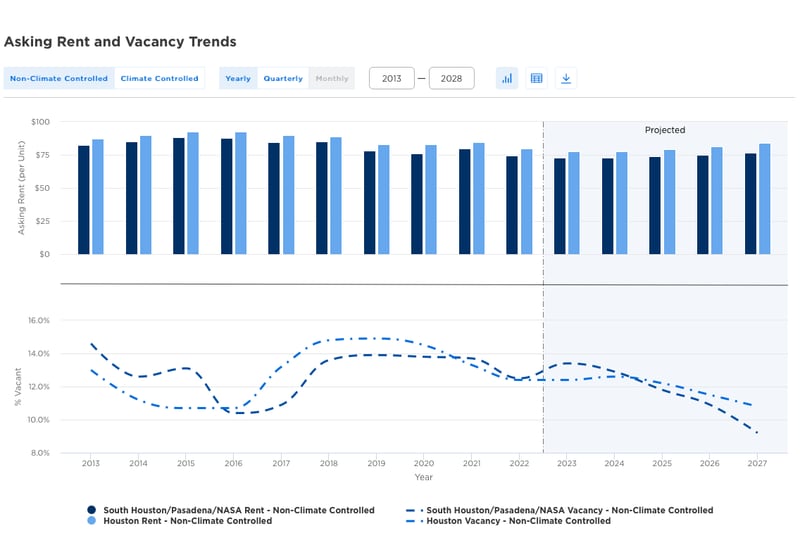
In the market section of a feasibility study, we focus on evaluating the current and projected conditions of the local real estate market. This critical assessment involves analyzing factors such as demographic trends, economic indicators, housing supply and demand, competitor developments, and price points. The goal is to understand the area's potential for real estate investment, identifying opportunities and challenges. This analysis helps in determining whether the market can support the proposed development, be it residential, commercial, or mixed-use. By providing insights into buyer or tenant behavior, market saturation, and growth prospects, this section forms a foundational part of the feasibility study, guiding developers in making data-driven decisions for successful real estate projects.
What to expect from our market research?
We subscribe and analyze complex datasets, which allows us to understand and precisely determine:
• Days on the market before leasing, absorptions of your units
• Analysis of the rates near your project, based on the leased rates (adjusted for inflation)
• Demand/supply trend within your primary market areas, with detailed forecast of demand for your facility
• Occupancy forecast
• Detailed overview and benchmarking of competitors,
• Competitors asking rates analysis, asking rates assumptions for your project
Technical Feasibility
Within the Technical feasibility section, we determine hard costs, soft costs, and financial costs as the critical part of evaluating a project’s feasibility. Hard costs refer to the direct expenses related to the physical construction of the project, including materials, labor, and equipment.
These are typically quantifiable and straightforward to estimate. Soft costs, on the other hand, encompass indirect expenses such as architectural design fees, legal expenses, permits, and insurance. These costs can be more variable and are often estimated based on industry standards and past project experiences.
Financial costs involve the expenses associated with financing the project, including interest payments, loan origination fees, and other costs related to securing capital. Accurately determining these costs is essential for creating a comprehensive budget and ensuring the project's financial feasibility and sustainability.
Financial Feasibility
The financial feasibility section of a real estate feasibility study is a pivotal component that assesses the monetary aspects of the proposed project. It involves a detailed examination of the project's funding requirements, sources of capital, cost analysis, and revenue projections.
This section scrutinizes the cash flow forecasts, breakeven analysis, and expected return on investment to determine the project's financial viability. It also considers potential financial risks and mitigation strategies. The aim is to ensure that the project is not only economically viable but also financially sustainable, offering a reasonable assurance of profitability to investors and lenders. This careful financial analysis is crucial for making informed decisions about proceeding with, adjusting, or possibly abandoning the real estate development based on its financial prospects.
What to expect from our financial feasibility analysis?
• Operating costs (such as utilities, insurance, salary & benefits, real estate taxes, etc.) are based on the actual financial statement from operating facilities nearby,
• Gross and Effective Revenue Assumptions are derived from the financial performance of the nearby operating facilities from comparable market conditions (population, density of competitors, etc.).
Our financial model relies on a discounted cash flow (DCF) analysis to determine critical financial metrics. What financial performance indicators do we present?
• 10 years pro forma (Effective revenue, operating expenses),
• Debt Service, Debt Service Coverage Ratio,
• Anticipated project exit capitalization (cap) rate,
• Net Present Value,
• Discounted Cash Flow,
• Internal Rate of Return (IRR),
• Sensitivity Analysis, Breakeven.
How a Kansas engagement runs
Standard delivery is 9 to 16 business days from data receipt, and rush turnaround is available from 5 business days.
Ready to start with a feasibility study near Kansas? Feel free to send us your location; we will be back with a market overview the next business day, free of charge.
Every state page MMCG publishes is listed on the state index; the neighbouring states are linked at the end of this page.
Engagements are led by Michal Mohelsky, J.D., Practicing Affiliate of the Appraisal Institute. Feasibility studies are prepared under USPAP discipline, aligned with SBA SOP 50 10 8 for 7(a) and 504 loans and with 7 CFR Part 5001, Appendix A to Subpart D for USDA Business and Industry, REAP, and Community Facilities financing. Engagements start at $4,900 with fixed-fee scoping. Standard delivery is 9 to 16 business days, with rush turnaround available from 5 business days. A senior analyst responds to proposal requests within 12 business hours from the firm's San Francisco office.
Frequently asked questions
What financial metrics does a Kansas study put in front of a lender?
The financial model relies on a discounted cash flow analysis and presents a 10 years pro forma of effective revenue and operating expenses, debt service and the debt service coverage ratio, the anticipated project exit capitalization rate, net present value, discounted cash flow, internal rate of return, and a sensitivity and breakeven analysis. The financial section also sets out funding requirements, sources of capital, cost analysis and revenue projections, with financial risks and mitigation stated rather than left implicit.
Where do the operating cost and revenue assumptions in a Kansas study come from?
From nearby operating facilities, not from national averages. Operating costs such as utilities, insurance, salary and benefits and real estate taxes are based on the actual financial statements of operating facilities nearby. Gross and effective revenue assumptions are drawn from the financial performance of the nearby operating facilities in comparable market conditions, matched on population and the density of competitors around the site.
What does a Kansas study cost, how long does it take, and who signs it?
Pricing starts at $4,900 with fixed-fee scoping, standard delivery is 9 to 16 business days, and rush turnaround is available from 5 business days. Send the location and a market overview comes back the next business day, free of charge. Engagements are led by Michal Mohelsky, J.D., Practicing Affiliate of the Appraisal Institute, prepared under USPAP discipline, aligned with SBA SOP 50 10 8 for 7(a) and 504 loans and with 7 CFR Part 5001, Appendix A to Subpart D for USDA Business and Industry, REAP and Community Facilities financing.
Which asset classes does MMCG study in Kansas?
The Kansas coverage list runs across affordable housing, apartments and multi family, hotels, marinas, offices, retail, RV parks, RV storage, self-storage, senior housing, and warehouse, industrial and flex space, with studies prepared for SBA and USDA loan programs. Each report analyzes market trends, financial viability, legal requirements, environmental impacts and potential risks for the proposed project, so the practicality and profitability of the project can be judged on its own facts rather than on a category assumption.
What does the market section of a Kansas feasibility study measure?
It evaluates the current and projected conditions of the local real estate market: demographic trends, economic indicators, housing supply and demand, competitor developments and price points. The measured outputs are days on the market before leasing and absorption of the units, an analysis of nearby rates based on leased rates adjusted for inflation, the demand and supply trend within the primary market areas with a forecast of demand for the facility, an occupancy forecast, and a benchmarking of competitors and their asking rates.
Asset classes we study in Kansas
Neighbouring states we also publish
Prepared by Michal Mohelsky, J.D., FMVA, Practicing Affiliate of the Appraisal Institute.